


alarm using PIC16F628-04
#PIC16F628-04
#microcontroller
#alarm system
#two-zone alarm
#internal oscillator
#RA1
#RA2
#enable/disable zone
#detection circuits
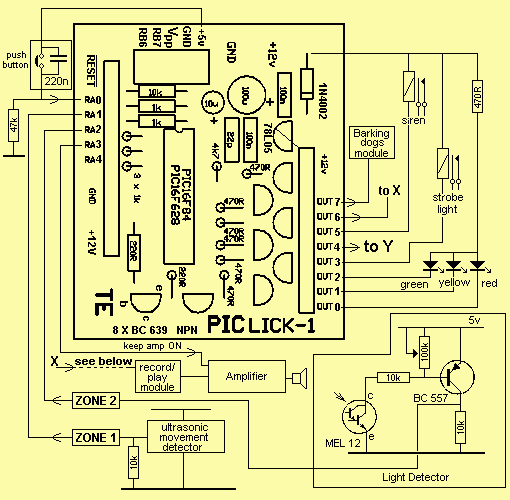
Description: This article describes a 2-Input alarm developed on the PIC LICK-1 Module using a Microchip PIC16F628-04. The program uses the internal 4MHz oscillator and if any other frequency is used, the timer values will need to be changed. A two zone alarm means the system has two separate detection circuits and can identify which circuit was triggered. The circuit uses lines RA1 and RA2 as zone 1 and zone 2. The operator can only enable or disable Zone 2. More: This allows situations such as disabling a large zone such as the garage, while an ultrasonic detector covering a smaller zone, such as toolboxes or equipment, remains enabled. A more practical application would be in a small store with a workroom at the back.
The described 2-Input alarm system employs a Microchip PIC16F628-04 microcontroller, which operates efficiently with its internal 4MHz oscillator. The microcontroller is programmed to manage two detection zones, allowing for a versatile security solution that can be tailored to specific needs. The two zones are connected to the microcontroller via the I/O pins RA1 and RA2, which serve as inputs for the respective detection circuits.
Zone 1, connected to RA1, can be configured to monitor a smaller area, such as a tool storage space, while Zone 2, connected to RA2, can cover a larger area, such as a garage. The design allows the operator to selectively enable or disable Zone 2, providing flexibility in security management. This feature is particularly useful in environments where certain areas may not require constant monitoring, thus conserving resources and reducing false alarms.
The alarm system is designed to trigger an alert when a detection circuit is activated, which can be achieved through various types of sensors, such as motion detectors or door/window sensors. When a sensor within a zone is triggered, the corresponding input pin (RA1 or RA2) sends a signal to the microcontroller, which processes the input and executes the programmed response, such as sounding an alarm or sending a notification.
The design considerations include ensuring that the timer values are appropriately set based on the operating frequency of the microcontroller. If the internal oscillator frequency is altered, the timer settings must be recalibrated to maintain the correct timing for the alarm system's response. This aspect is crucial for the reliability of the system, as precise timing can directly affect the performance of the alarm.
In summary, the 2-Input alarm system developed on the PIC LICK-1 Module is a practical and flexible solution for security applications, allowing for tailored monitoring of different zones while providing the operator with control over the system's functionality. The use of the PIC16F628-04 microcontroller ensures efficient processing and responsiveness to security events.This article describes a 2-Input alarm developed on the PIC LICK-1 Module using a Microchip PIC16F628-04. The program uses the internal 4MHz oscillator and if any other frequency is used, the timer values will need to be changed.
A two zone alarm means the system has two separate detection circuits and can identify which circuit was triggered. The circuit uses lines RA1 and RA2 as zone 1 and zone 2. The operator can only enable or disable Zone 2. This allows situations such as disabling a large zone such as the garage, while an ultrasonic detector covering a smaller zone, such as toolboxes or equipment, remains enabled. A more practical application would be in a small store with a workroom at th
The described 2-Input alarm system employs a Microchip PIC16F628-04 microcontroller, which operates efficiently with its internal 4MHz oscillator. The microcontroller is programmed to manage two detection zones, allowing for a versatile security solution that can be tailored to specific needs. The two zones are connected to the microcontroller via the I/O pins RA1 and RA2, which serve as inputs for the respective detection circuits.
Zone 1, connected to RA1, can be configured to monitor a smaller area, such as a tool storage space, while Zone 2, connected to RA2, can cover a larger area, such as a garage. The design allows the operator to selectively enable or disable Zone 2, providing flexibility in security management. This feature is particularly useful in environments where certain areas may not require constant monitoring, thus conserving resources and reducing false alarms.
The alarm system is designed to trigger an alert when a detection circuit is activated, which can be achieved through various types of sensors, such as motion detectors or door/window sensors. When a sensor within a zone is triggered, the corresponding input pin (RA1 or RA2) sends a signal to the microcontroller, which processes the input and executes the programmed response, such as sounding an alarm or sending a notification.
The design considerations include ensuring that the timer values are appropriately set based on the operating frequency of the microcontroller. If the internal oscillator frequency is altered, the timer settings must be recalibrated to maintain the correct timing for the alarm system's response. This aspect is crucial for the reliability of the system, as precise timing can directly affect the performance of the alarm.
In summary, the 2-Input alarm system developed on the PIC LICK-1 Module is a practical and flexible solution for security applications, allowing for tailored monitoring of different zones while providing the operator with control over the system's functionality. The use of the PIC16F628-04 microcontroller ensures efficient processing and responsiveness to security events.This article describes a 2-Input alarm developed on the PIC LICK-1 Module using a Microchip PIC16F628-04. The program uses the internal 4MHz oscillator and if any other frequency is used, the timer values will need to be changed.
A two zone alarm means the system has two separate detection circuits and can identify which circuit was triggered. The circuit uses lines RA1 and RA2 as zone 1 and zone 2. The operator can only enable or disable Zone 2. This allows situations such as disabling a large zone such as the garage, while an ultrasonic detector covering a smaller zone, such as toolboxes or equipment, remains enabled. A more practical application would be in a small store with a workroom at th
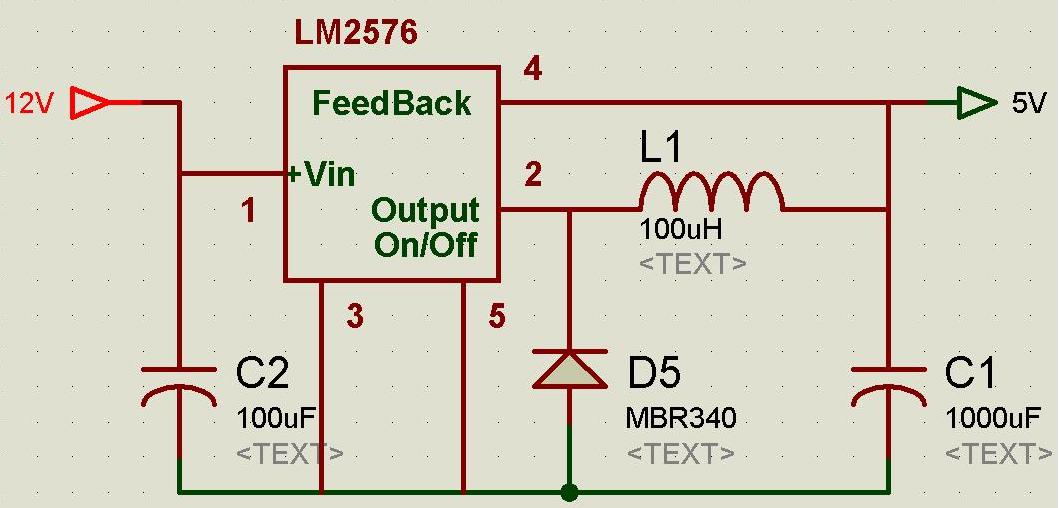
Some Voltage Regulator Ciruits for Microcontroller based Projects
A regulated and noise-free power supply voltage is essential for microcontrollers and other components such as amplifiers, filters, and GPS devices. Voltage surges in the supply voltage can permanently damage embedded systems. A voltage regulator must maintain the output voltage...
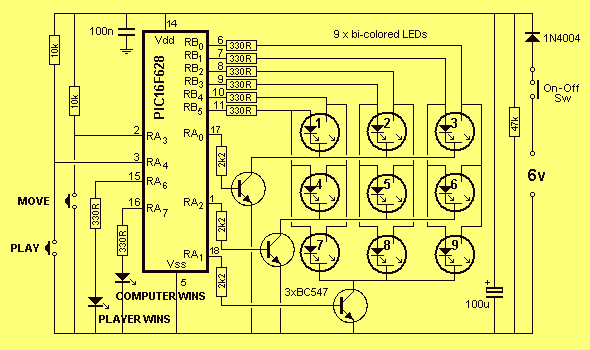
Electronic TIC TAC TOE
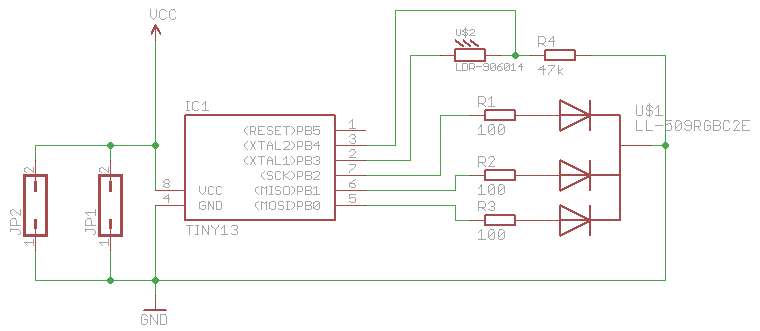
This project is not to introduce Tic Tac Toe. Everyone knows this game. It is to introduce two features: bi-coloured LEDs, microcontrollers, and the skill of writing an ALGORITHM. You can use the project to learn the skills of creating...
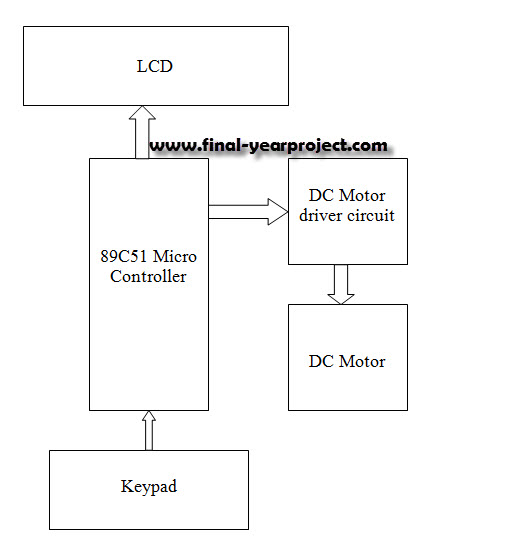
Speed Control of DC Motor using Microcontroller by using PWM ECE Project
This report details an electronic project focused on the speed control of a DC motor using a microcontroller and PWM (Pulse Width Modulation). The system integrates a microcontroller with an LCD, keypad, and a DC motor driver. The microcontroller generates...
synchronizing fireflies ng
This is a remake of the fireflies project that was created a year ago. The concept revolves around the emergence of patterns, particularly the synchronization of hundreds or thousands of fireflies. Initially, they flash randomly, but over time, influenced by...
6 Zone Alarm System
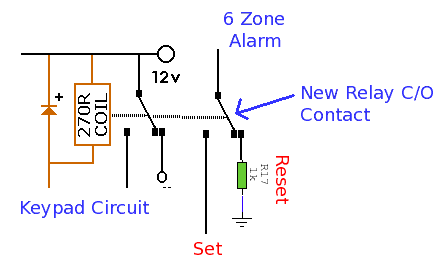
This alarm system features six independent zones, one timed entry/exit zone, a seven-segment LED display, and a test or walkthrough capability. It is designed for use in small office or home environments and can be adapted to utilize a combination...
Augmenting a Microcontroller
Microcontrollers (MCUs) are versatile integrated circuits that enhance the functionality of electronics, robotics, and other projects. However, they...
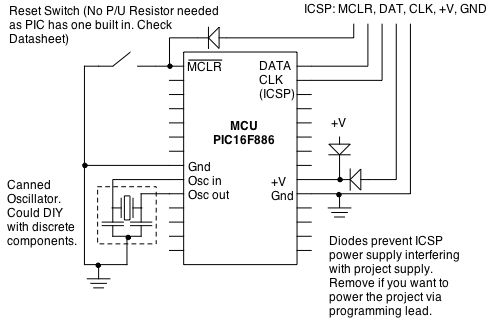
Microcontrollers (MCUs) serve as the central processing unit in a variety of electronic applications, offering programmable control that allows for complex functionalities in...
mosfet Turning a microcontroller on with a flip flop
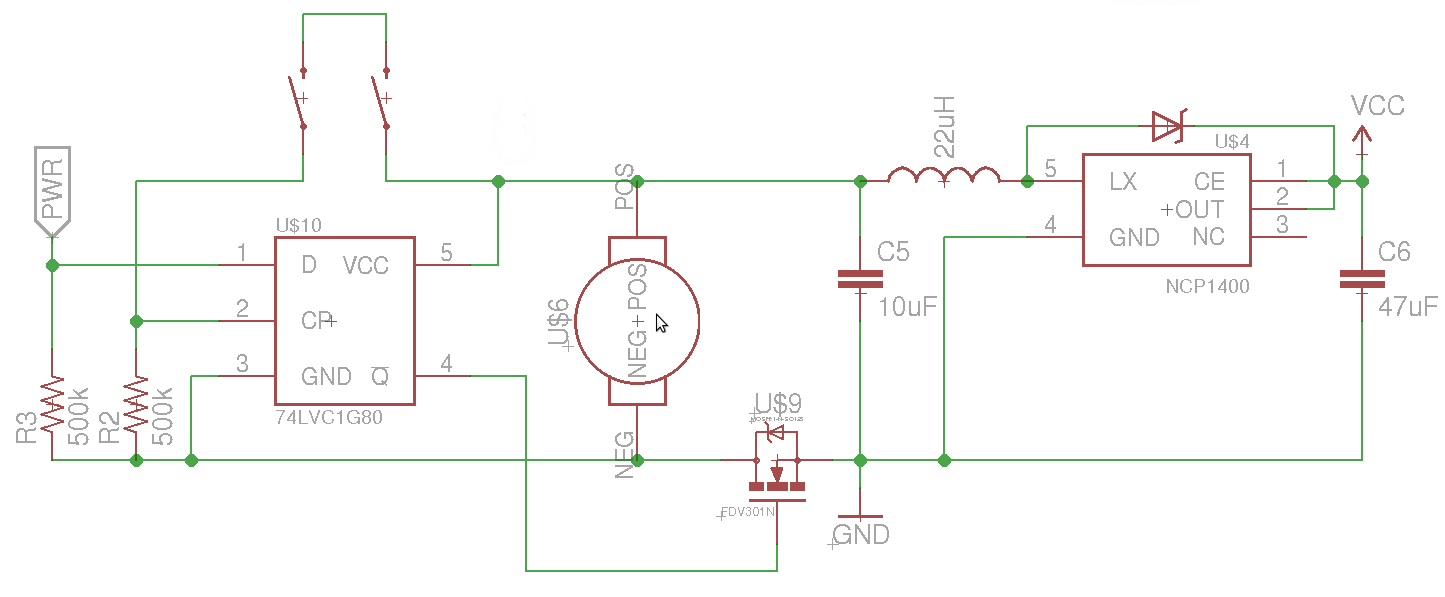
The objective is to control the power to a load, specifically an 8051-based microcontroller (uC), using two switches. When the uC is powered on, it sets the PWR pin high. Upon pressing the switches again, pin 4 of the flip-flop...

Password(code) Based Digital Locking System Using Microcontroller 89C52/89S52
Upon entering the password, the application, in this case "LED," will illuminate. In this digital locking system project, the interfacing of a keypad and a 16x2 LCD with a microcontroller will be explored, along with the accompanying code. This project...
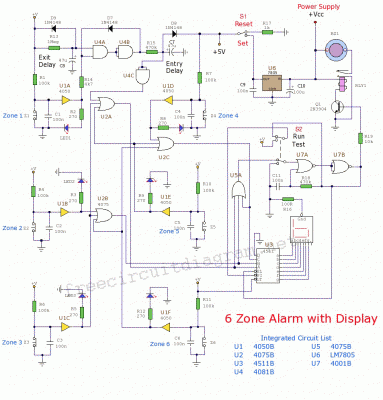
Circuit Diagram 6 zone alarm independent
This circuit is a 6-zone alarm system designed for independent operation, suitable for small office or home environments. It can be adapted to utilize a combination lock or keypad for setting and resetting the alarm. All zones, Z1 to Z6,...