


GSM GPS shield for Arduino Board
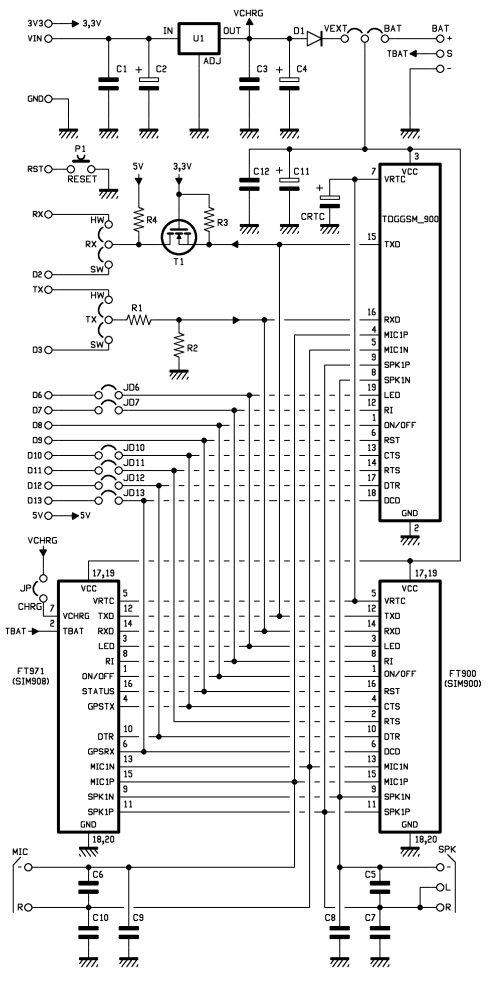
Description: This shield for Arduino is designed based on the GSM/GPRS SIM900 module or the GSM/GPRS & GPS SIM908 module, enabling voice calls and data connections via GPRS. The supply circuit utilizes a simple LM7805 voltage regulator. To operate, it requires an input voltage ranging from 7.5V to 12V. As illustrated in the circuit diagram, the input voltage is stabilized to 5V and then reduced to 4.3V using a diode to power modules that require a voltage between 3.2V and 4.8V. During GPRS operations, the module draws approximately 1A of current, necessitating a power source capable of providing this current. A notable feature is the serial adapter facilitating communication between the GSM module and the Arduino. A simple voltage divider is employed to reduce voltage, while a BS170 MOSFET is used to increase the voltage from the GSM module to the Arduino. The shield includes two audio jacks, allowing for voice calls using a microphone and standard 3.5mm headset. To maintain compatibility with the Arduino Mega, the selection method for serial communication has been modified. Users can choose between hardware or software serial communication modes via jumper settings, allowing for flexibility in pin selection. The design also includes additional pins on the back of the PCB for connecting to Arduino digital ports and control signal data flow (CTS, RTS) or alerts for incoming calls or unread SMS (RI). In this updated version, users can disable these connections to conserve input or output pins. Compared to the previous version, this new card features two connectors on the top for compatibility with the new small breakout boards for SIM900 and SIM908. The SIMCOM SIM908 module includes a GPS with 42 channels, making it possible to create a GPS tracking device that communicates location via the Internet or SMS, simplifying the process for users by eliminating assembly and low-level programming challenges.
This Arduino shield offers a versatile platform for integrating GSM/GPRS communication capabilities into various projects. The LM7805 voltage regulator ensures stable power delivery, vital for maintaining the operational integrity of the GSM module during high-demand scenarios such as GPRS data transmission. The choice of a BS170 MOSFET for voltage level shifting is particularly effective, as it allows for reliable communication between the GSM module and the Arduino, accommodating the different voltage levels required by each component.
The inclusion of two audio jacks for a microphone and headset enhances the functionality of the shield, enabling voice communication capabilities. This feature is particularly useful in applications where remote voice interaction is necessary. The design's adaptability to both hardware and software serial communication modes allows developers to select the most suitable configuration for their specific application, promoting ease of integration with existing Arduino projects.
The additional pins on the PCB provide further customization options, allowing developers to connect various control signals and alerts, such as call notifications or SMS alerts, directly to the Arduino. This flexibility is essential for creating responsive applications that require real-time communication and monitoring.
The integration of the SIM908 module with GPS functionality opens up new possibilities for developing location-based services and tracking applications. The ability to communicate location data via the Internet or SMS significantly expands the potential use cases for this shield, making it an attractive choice for developers looking to create innovative solutions in the realm of IoT and mobile communications. Overall, this Arduino shield represents a comprehensive solution for adding GSM/GPRS and GPS capabilities to a wide range of electronic projects.Shield for Arduino designed and based on the module GSM/GPRS SIM900 or the GSM/GPRS & GPS module SIM908, to make calls, voice and data connections via GPRS. We begin with the supply circuit a simple LM7805. To work, it is necessary to provide an input voltage between 7. 5V and 12V. As shown in the circuit diagram, the input voltage, after being st abilized at 5 V, is reduced to 4. 3 V by using a diode and provide power to modules that need a voltage between the 3. 2 and 4. 8 V. During the operations such as the use of GPRS, the module absorbs a current of about 1 A, therefore it is necessary that the power source is able to provide this current intensity. An important technical feature is the serial adapter for the communication between the GSM module and Arduino.
To reduce the tension has been used a simple voltage divider, while for raising the voltage from the GSM module to Arduino we chose a MOSFET BS170. The news that is immediately evident is the presence of two jacks for audio. With a microphone and a headset with a 3. 5 mm jack (just the standard headphones for computers), you can make a voice call ! To preserve compatibility with the Arduino Mega, we changed the selection method for the serial communication.
The two different serial communication modes (hardware or software) are selectable by jumper, leaving the user the choice between the two configurations ( for serial software in this new version we adopted pins 2 and 3) or possibly use the pin to your choice with a simple wire connection. With this solution you can use the Arduino Mega using two of the four serial that it has, or possibly carry out the communication through a serial software via two pins of your choice.
Always to preserve maximum flexibility and customization, there are some pins on the back of PCB, which allow to make the connections from the Arduino digital ports and the control signals data flow (CTS, RTS) or alerts for incoming calls or unread SMS (RI). In this new version, you can then disable these connections to save inputs or outputs pins. Comparing the new card with the previous one, you can see the presence of two connectors on the top. These additional connections allow the use of the shield also with the new small breakout for SIM900 and SIM908.
The new module Simcom SIM908, is characterized by the presence of a GPS with 42 channels. The scenery offered by this new module SIMCOM, in addition to GSM GPRS shield, it is quite remarkable: the creation of a GPS tracking device that can communicate the location via the Internet (or SMS) is now available to everyone, avoiding all the problems due to assembly and low-level programming.
This Arduino shield offers a versatile platform for integrating GSM/GPRS communication capabilities into various projects. The LM7805 voltage regulator ensures stable power delivery, vital for maintaining the operational integrity of the GSM module during high-demand scenarios such as GPRS data transmission. The choice of a BS170 MOSFET for voltage level shifting is particularly effective, as it allows for reliable communication between the GSM module and the Arduino, accommodating the different voltage levels required by each component.
The inclusion of two audio jacks for a microphone and headset enhances the functionality of the shield, enabling voice communication capabilities. This feature is particularly useful in applications where remote voice interaction is necessary. The design's adaptability to both hardware and software serial communication modes allows developers to select the most suitable configuration for their specific application, promoting ease of integration with existing Arduino projects.
The additional pins on the PCB provide further customization options, allowing developers to connect various control signals and alerts, such as call notifications or SMS alerts, directly to the Arduino. This flexibility is essential for creating responsive applications that require real-time communication and monitoring.
The integration of the SIM908 module with GPS functionality opens up new possibilities for developing location-based services and tracking applications. The ability to communicate location data via the Internet or SMS significantly expands the potential use cases for this shield, making it an attractive choice for developers looking to create innovative solutions in the realm of IoT and mobile communications. Overall, this Arduino shield represents a comprehensive solution for adding GSM/GPRS and GPS capabilities to a wide range of electronic projects.Shield for Arduino designed and based on the module GSM/GPRS SIM900 or the GSM/GPRS & GPS module SIM908, to make calls, voice and data connections via GPRS. We begin with the supply circuit a simple LM7805. To work, it is necessary to provide an input voltage between 7. 5V and 12V. As shown in the circuit diagram, the input voltage, after being st abilized at 5 V, is reduced to 4. 3 V by using a diode and provide power to modules that need a voltage between the 3. 2 and 4. 8 V. During the operations such as the use of GPRS, the module absorbs a current of about 1 A, therefore it is necessary that the power source is able to provide this current intensity. An important technical feature is the serial adapter for the communication between the GSM module and Arduino.
To reduce the tension has been used a simple voltage divider, while for raising the voltage from the GSM module to Arduino we chose a MOSFET BS170. The news that is immediately evident is the presence of two jacks for audio. With a microphone and a headset with a 3. 5 mm jack (just the standard headphones for computers), you can make a voice call ! To preserve compatibility with the Arduino Mega, we changed the selection method for the serial communication.
The two different serial communication modes (hardware or software) are selectable by jumper, leaving the user the choice between the two configurations ( for serial software in this new version we adopted pins 2 and 3) or possibly use the pin to your choice with a simple wire connection. With this solution you can use the Arduino Mega using two of the four serial that it has, or possibly carry out the communication through a serial software via two pins of your choice.
Always to preserve maximum flexibility and customization, there are some pins on the back of PCB, which allow to make the connections from the Arduino digital ports and the control signals data flow (CTS, RTS) or alerts for incoming calls or unread SMS (RI). In this new version, you can then disable these connections to save inputs or outputs pins. Comparing the new card with the previous one, you can see the presence of two connectors on the top. These additional connections allow the use of the shield also with the new small breakout for SIM900 and SIM908.
The new module Simcom SIM908, is characterized by the presence of a GPS with 42 channels. The scenery offered by this new module SIMCOM, in addition to GSM GPRS shield, it is quite remarkable: the creation of a GPS tracking device that can communicate the location via the Internet (or SMS) is now available to everyone, avoiding all the problems due to assembly and low-level programming.
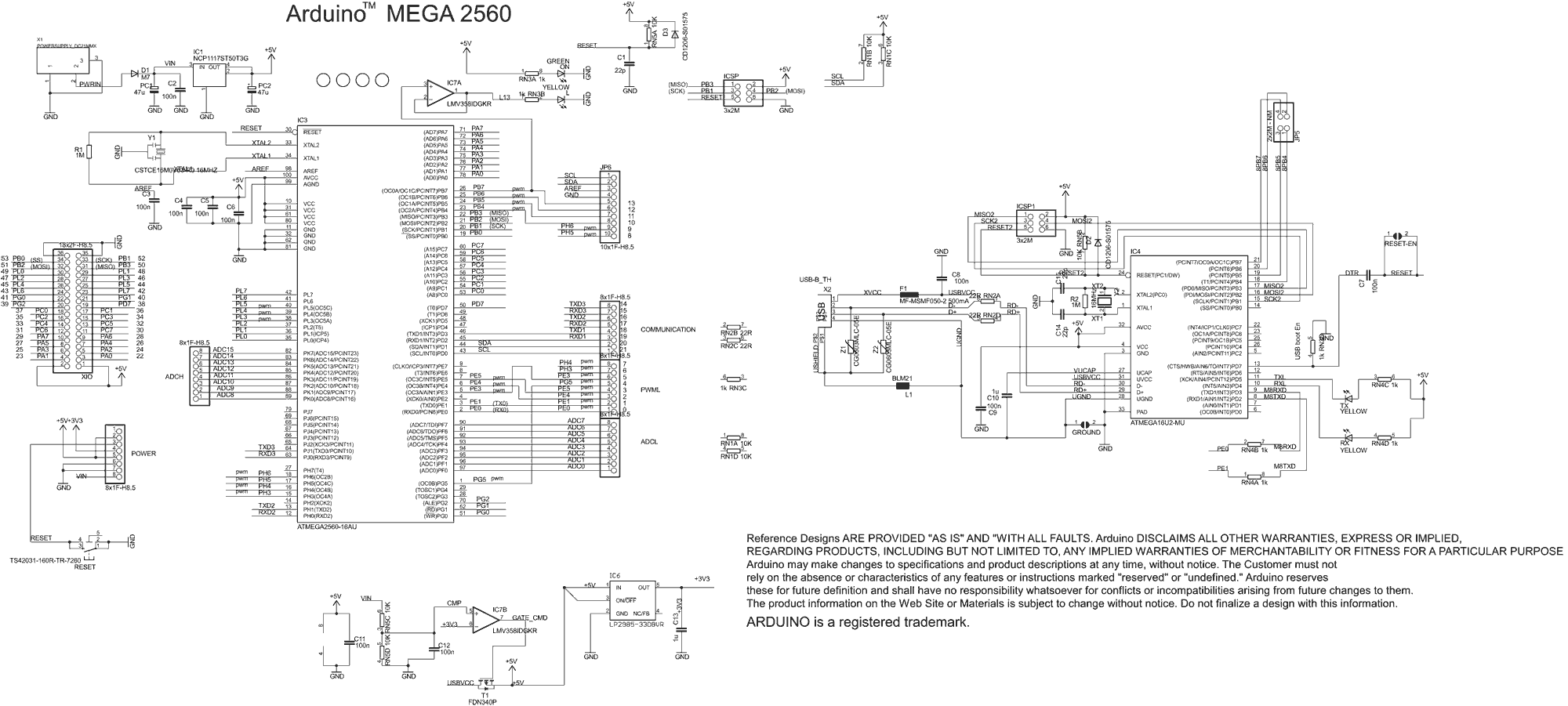
Arduino Mega 2560
Arduino Mega 2560 Board tutorials, projects, drivers, schematic, and complete information.
The Arduino Mega 2560 is a microcontroller board based on the ATmega2560. It features 54 digital input/output pins, 16 analog inputs, 4 UARTs (hardware serial ports), a 16 MHz crystal...
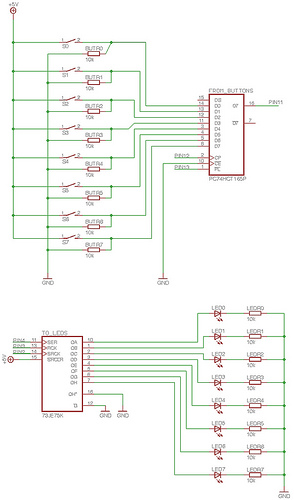
Basement LEDs
To enable the MonomeSerial software to recognize the monome clone, it is necessary to modify the Arduino's EEPROM serial number to match that of a genuine monome. Following Melka's updated instructions from the Bricktable blog is recommended. The D2XX drivers...
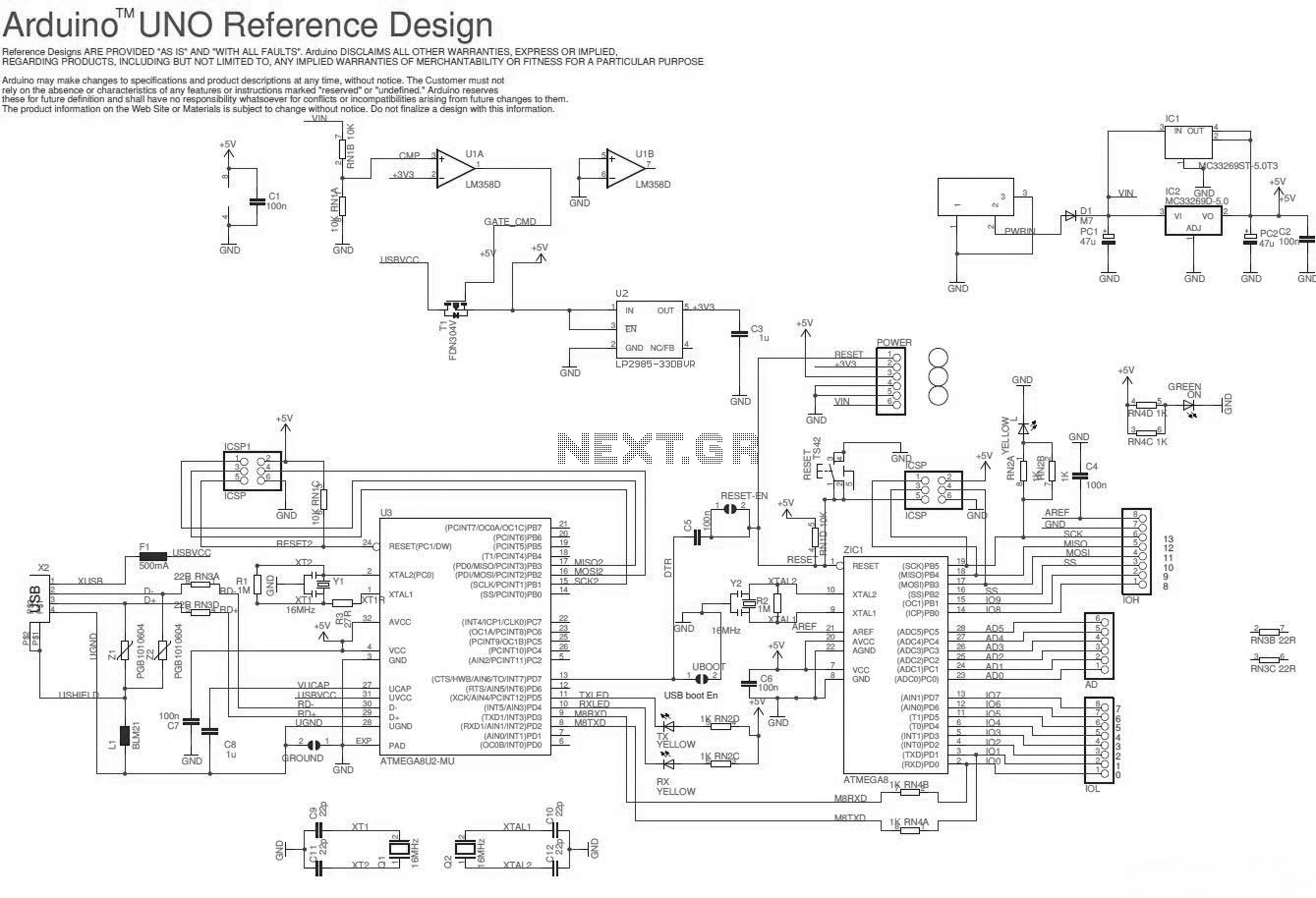
Arduino UNO
The Arduino Uno schematic diagram is available for viewing. The Arduino Uno is a microcontroller board that utilizes the ATmega328 chip. It features 14 digital input/output pins, of which 6 can be used as PWM outputs, and 6 analog input...
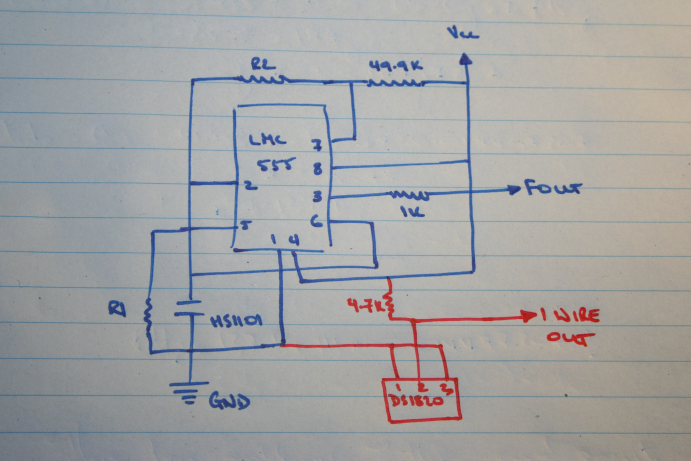
Arduino Thermostat
This is a brief update regarding a project that is currently incomplete. The thermostat for the central heating system in the house has become unreliable recently. A new unit from the heater's manufacturer was quoted at $450 AUD, prompting the...
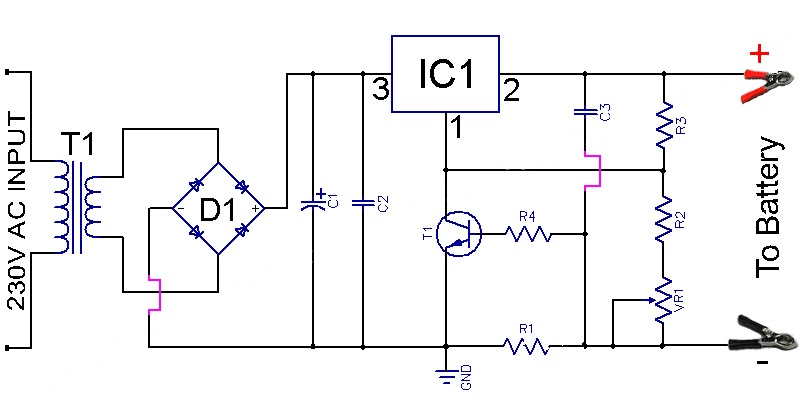
Battery Charging
The LM7805 circuitry used in the Harbor Freight 42292 charger has been replaced with an LM317 variable voltage regulator. This change was likely made for cost reduction or to address supply issues. The original design included a variable resistor, allowing...
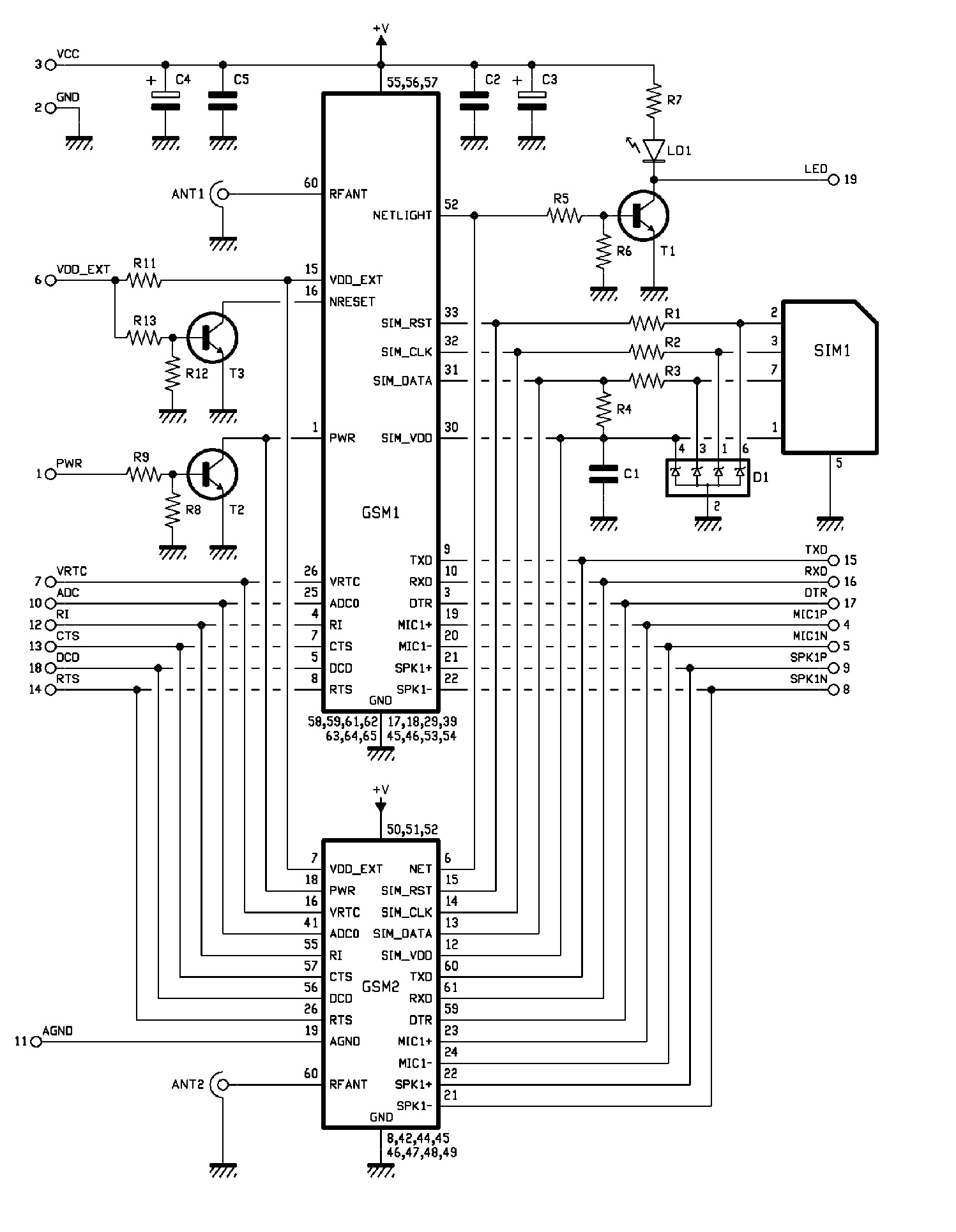
GSM Remote Control Module
This GSM mobile is utilized for remote control applications, such as gate control and temperature management. The term "module" is used because, unlike previous remote control projects, the mobile phone is not directly mounted on a printed circuit board (PCB)....
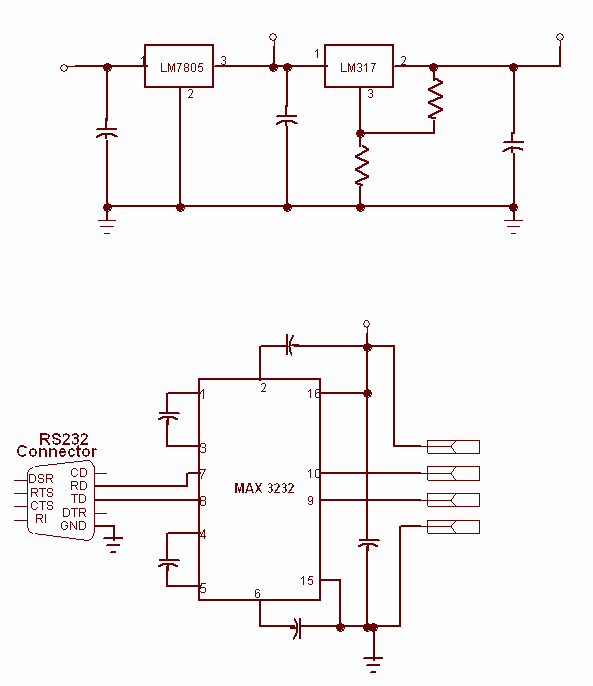
PC Based GPS
The advent of new high-speed technologies and the growing computer capacity provided realistic opportunity for new cost effective technologies and realization of new methods of innovations. This technical improvement together with the need for high performance techniques created faster, more...
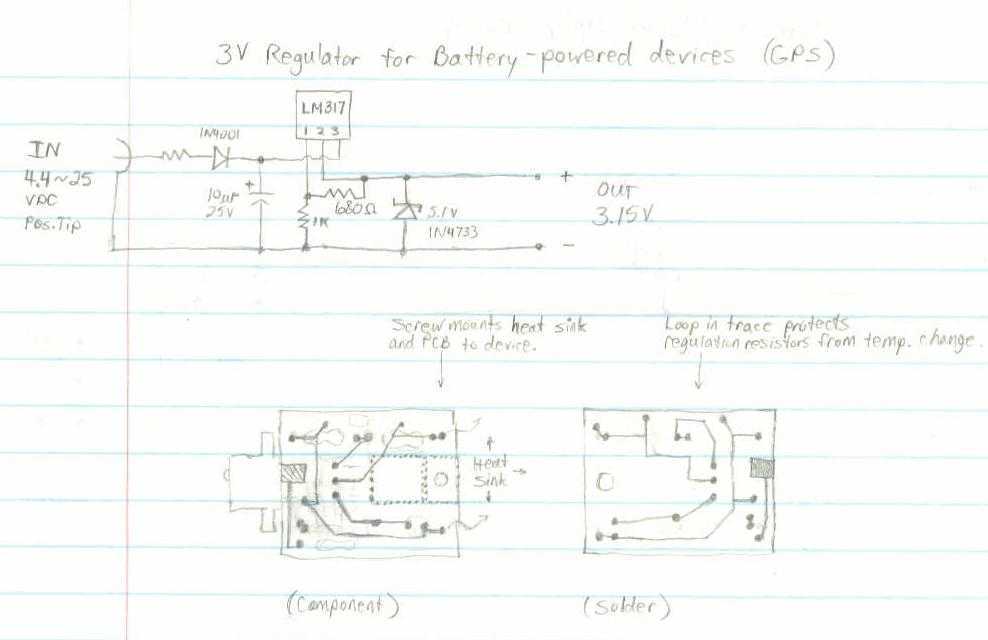
GPS receiver
This GPS receiver is powered by 2 AA batteries. They are only strong enough for the GPS to stay on for about two hours, and this seems like quite a waste. I would like to be able to use a...
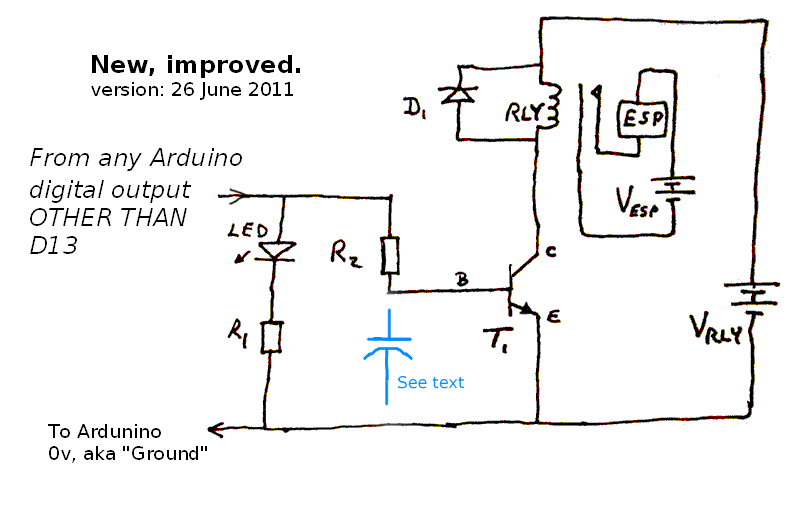
arduino circuit
This page is browser-friendly. To enhance readability, adjust your browser window to be narrower than the full screen. The page consists of two parts: the first part features a basic program demonstrating the RFID reader's functionality, while the second part...