


2Channel + Microphone Stereo Mixer
#stereo mixer
#microphone
#crossfader
#audio amplifier
#RIAA filter
#PHONO input
#line input
#signal amplification
#LP disks
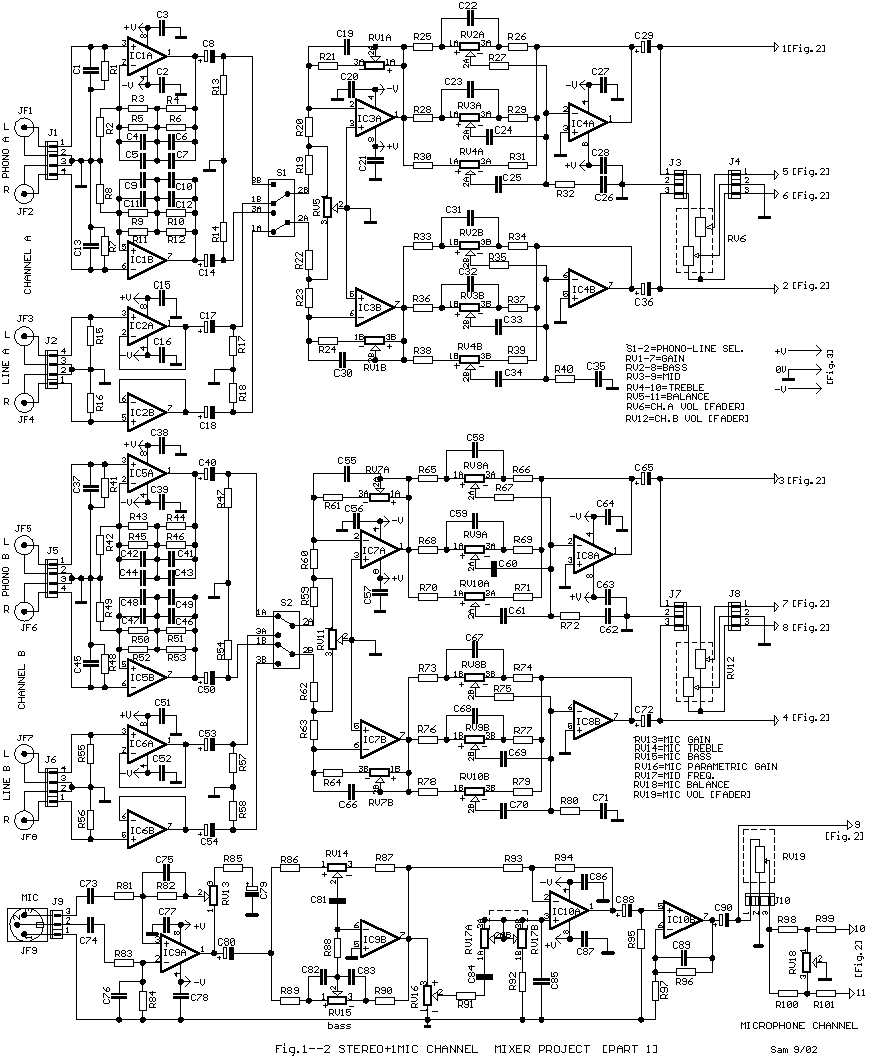
Description: A lot of friends asked me to draw a more shrunk circuit 2-ch mixer, which will contain also, operation CROSSFADER. The circuits can be modified and added also other channels, repeating basic that I give. It can be added channels stereo PHONO/line or even channels microphone with proportional modification of next stages. In Fig.1 exist the input circuits of two channels and input of microphone channel. The two basic channels are the same between them. Thus that it goes for a channel, it also goes for the other. In each stereo channel exist two inputs, classic stereo input PHONO that is practically a correction filter RIAA and concerns the signal amplification of sound that emanates from the classic reproduction heads of classic disks LP.
The circuit described is a compact two-channel mixer with a built-in crossfader functionality, designed for audio mixing applications. The mixer architecture allows for the integration of multiple audio sources, including stereo PHONO/line inputs and microphone channels.
The mixer comprises two identical stereo channels, each featuring two input options. The first input option is a standard PHONO input, which is equipped with a RIAA correction filter. This filter is essential for compensating the frequency response of vinyl records, ensuring that the audio output accurately reflects the original recording. The second input can accommodate line-level signals, enabling the mixer to interface with various audio devices such as CD players or digital audio workstations.
The crossfader functionality allows for seamless blending between the two channels, facilitating smooth transitions in audio playback. This is particularly beneficial in live performance settings where quick adjustments are necessary. The design of the crossfader circuit typically involves a potentiometer that adjusts the level of each channel's output, which is then mixed to produce a single output signal.
In addition to the basic two-channel configuration, the circuit can be expanded to include additional channels. This modular approach allows for the integration of stereo inputs or microphone channels, provided that the subsequent stages of the circuit are modified accordingly to accommodate the increased signal flow. Each added channel can be configured with its own gain control and EQ settings, offering flexibility in sound shaping.
The overall design emphasizes compactness and efficiency, making it suitable for both studio and live applications. The schematic should include detailed connections for power supply, grounding, and signal paths to ensure optimal performance and minimize noise interference. Proper layout considerations, such as maintaining short signal paths and adequate shielding, are crucial for achieving high-quality audio output.A lot of friends me asked to draw a more shrunk circuit 2-ch mixer, which will contain also, operation CROSSFADER. The circuits can be modified and added also other channels, repeating basic that I give. It can are added channels stereo PHONO/line or even channels microphone with proportional modification of next stages.
In the Fig.1 exist the input circuits of two channels and input of microphone channel. The two basic channels she is same between them. Thus that its go for a channel, the he is also go for the other. In each stereo channel exist two inputs, classic stereo input PHONO that is practical a correction filter RIAA and concerns the signal amplification of sound that emanates from the classic reproduction heads of classic disks LP.
The circuit described is a compact two-channel mixer with a built-in crossfader functionality, designed for audio mixing applications. The mixer architecture allows for the integration of multiple audio sources, including stereo PHONO/line inputs and microphone channels.
The mixer comprises two identical stereo channels, each featuring two input options. The first input option is a standard PHONO input, which is equipped with a RIAA correction filter. This filter is essential for compensating the frequency response of vinyl records, ensuring that the audio output accurately reflects the original recording. The second input can accommodate line-level signals, enabling the mixer to interface with various audio devices such as CD players or digital audio workstations.
The crossfader functionality allows for seamless blending between the two channels, facilitating smooth transitions in audio playback. This is particularly beneficial in live performance settings where quick adjustments are necessary. The design of the crossfader circuit typically involves a potentiometer that adjusts the level of each channel's output, which is then mixed to produce a single output signal.
In addition to the basic two-channel configuration, the circuit can be expanded to include additional channels. This modular approach allows for the integration of stereo inputs or microphone channels, provided that the subsequent stages of the circuit are modified accordingly to accommodate the increased signal flow. Each added channel can be configured with its own gain control and EQ settings, offering flexibility in sound shaping.
The overall design emphasizes compactness and efficiency, making it suitable for both studio and live applications. The schematic should include detailed connections for power supply, grounding, and signal paths to ensure optimal performance and minimize noise interference. Proper layout considerations, such as maintaining short signal paths and adequate shielding, are crucial for achieving high-quality audio output.A lot of friends me asked to draw a more shrunk circuit 2-ch mixer, which will contain also, operation CROSSFADER. The circuits can be modified and added also other channels, repeating basic that I give. It can are added channels stereo PHONO/line or even channels microphone with proportional modification of next stages.
In the Fig.1 exist the input circuits of two channels and input of microphone channel. The two basic channels she is same between them. Thus that its go for a channel, the he is also go for the other. In each stereo channel exist two inputs, classic stereo input PHONO that is practical a correction filter RIAA and concerns the signal amplification of sound that emanates from the classic reproduction heads of classic disks LP.

Microphone Circuit Test Oscillator
This circuit is designed to be housed in a compact plastic or preferably metal enclosure, powered by a 9V battery. It features a level control, a male XLR connector (similar to those used in microphones), and a switch. The current...
three level audio power indicator
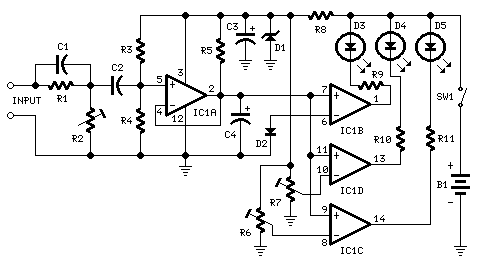
This circuit is designed to indicate the power output level of any audio amplifier. It is simple, portable, and displays three power levels that can be adjusted to any desired value.
The circuit operates by measuring the output voltage from the...
5.8 Watt Audio Power Amplifier circuit
This circuit utilizes the TA7222AP to amplify audio signals. The cost is only $0.99, and it can provide 5.8 watts with muting control. The power supply can be in the range of 8-12 VDC, making it suitable for applications such...
Stereo Mixer With Pan Controls
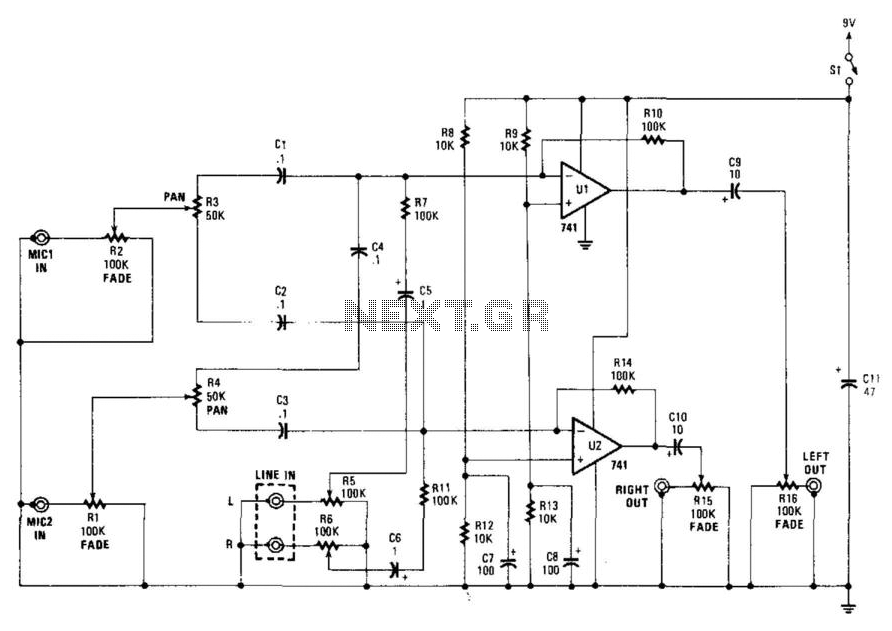
This stereo mixer features two mono mixers and a modification to the microphone inputs. When a microphone is in use, its output is directed to the microphone input of the circuit. The signal is then processed through resistors R1 and...
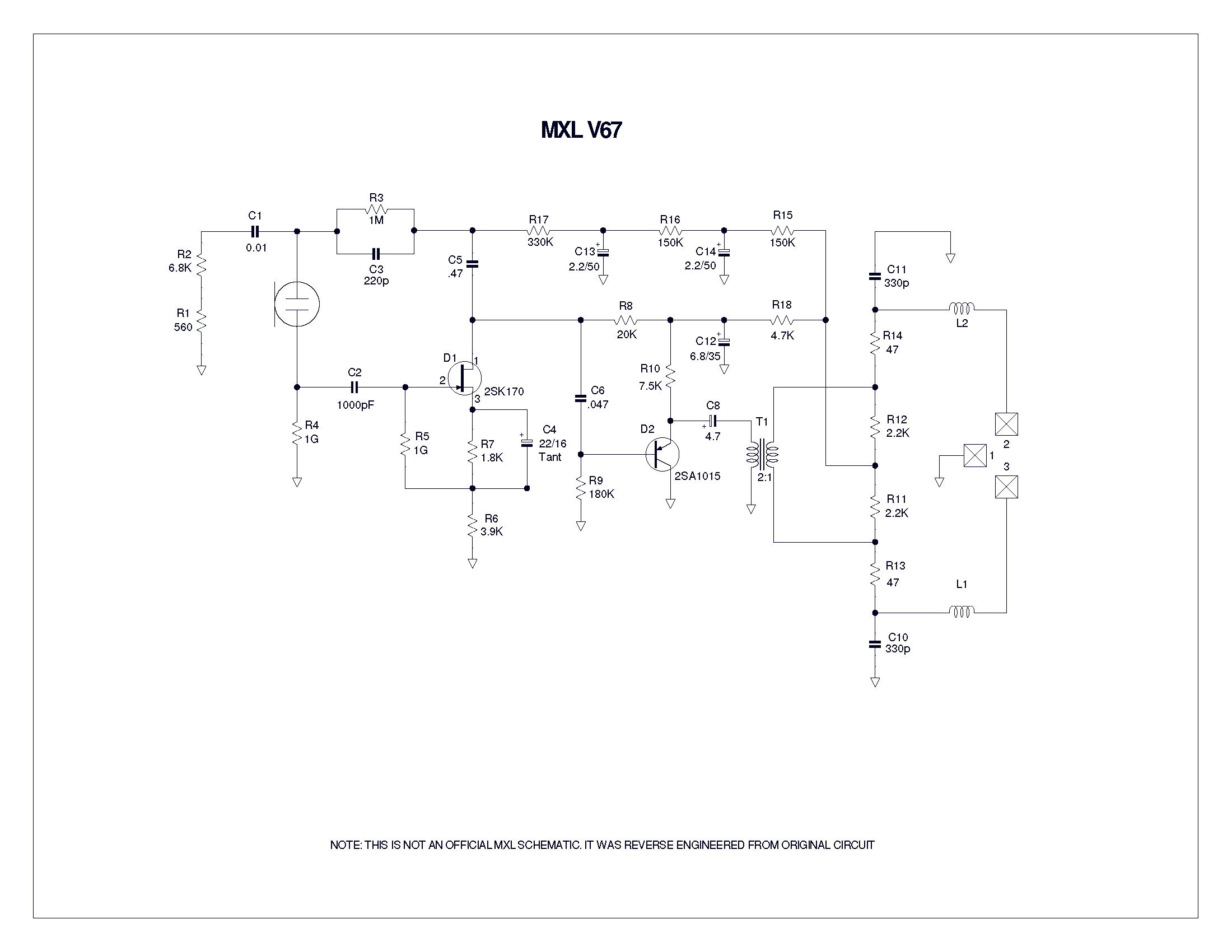
understanding a mic circuit
A user has been experimenting with modifications to a budget-friendly MXL V67s microphone to enhance its performance, specifically aiming to improve the condenser quality until a higher-end model can be acquired.
The MXL V67s is a popular choice among budget-conscious audio...
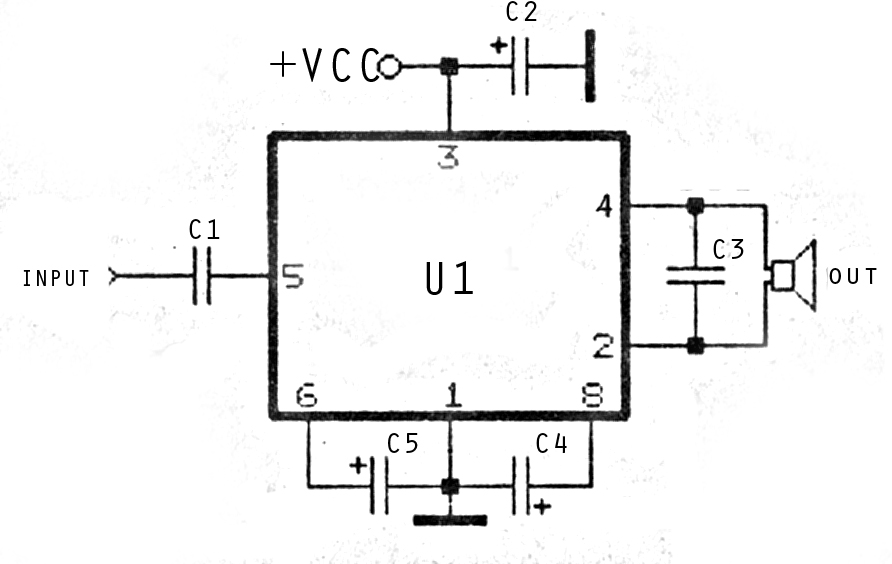
mini and simple power amplifier
The image above depicts a miniature audio amplifier that is quite simple in design. A schematic for this audio amplifier is provided, which requires only a few components, as detailed in the accompanying diagram. This amplifier is inexpensive to construct...
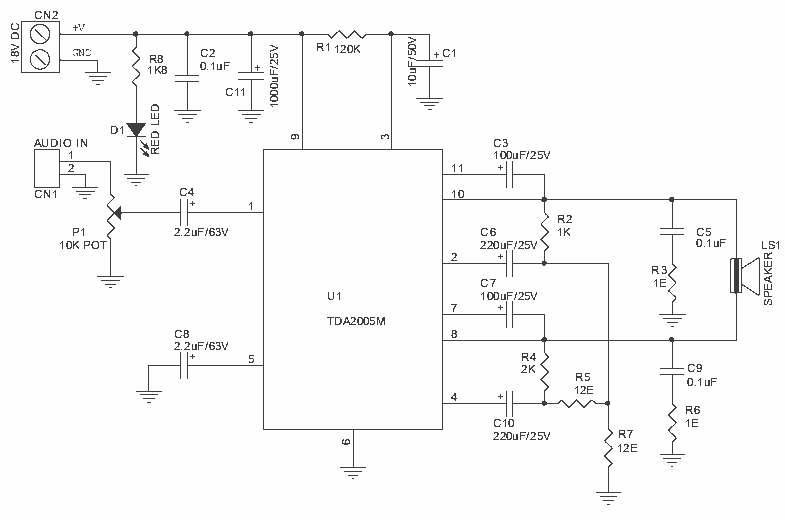
Car 20W audio booster amplifier
This circuit is a 20W Audio Amplifier kit, based on the TDA2005 IC, a class B dual audio amplifier, specifically designed for car radio applications etc. Power supply - 18 VDC. Output power - 20 W, 4 ?. IC built...
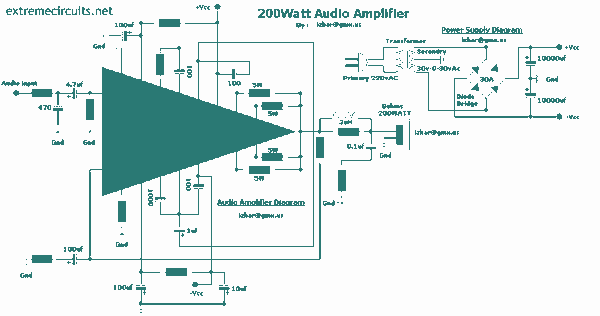
200 watt Audio amplifier with STK4050
This complete high quality, low noise mono audio power amplifier is based around the Hybrid Integrated Circuit STK4050 manufactured by Sanyo. The circuit incorporates volume and has a maximum music output power of 200W. The circuit incorporates an on board...
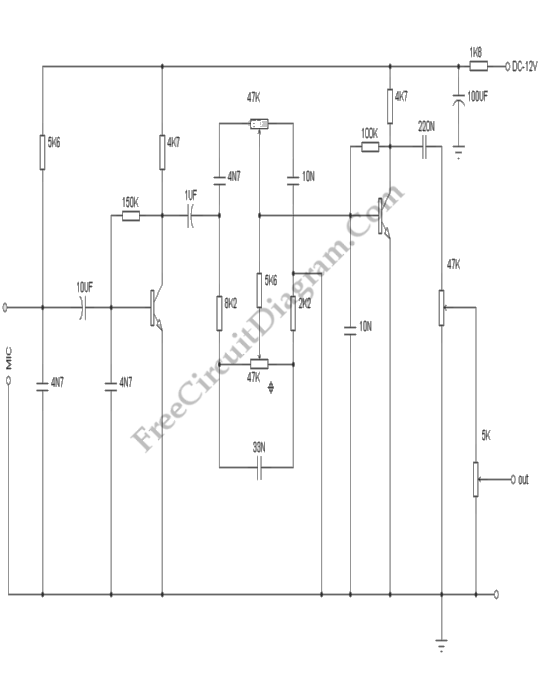
Microphone Pre-Amplifier with Tone Control
A microphone cannot be directly connected to a power amplifier because the signal is too weak. Standard audio power amplifiers accept about 1 Vrms to provide a full output.
To effectively interface a microphone with a power amplifier, an intermediary stage...