


Audio Auto Fade circuit
#auto fade
#microphone
#stereo
#DJ
#voice control
#music
#audio mixing
#monophonic
#sound processing
#audio circuit
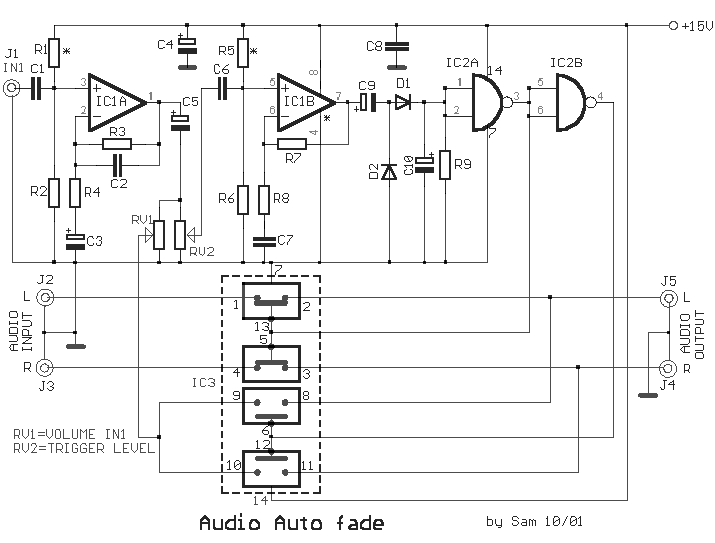
Description: This circuit is designed to allow voice clarity over music playback. It is particularly useful for DJs, small radio stations, announcements over music in shops, and similar applications. Additionally, it can be utilized in scenarios where voice control is required for various devices. The circuit is compatible with stereo music and monophonic microphones, but it can be modified and adapted to meet specific needs or applications.
The circuit is primarily based on a voice-activated mixing system that integrates a microphone input with a music source. The core component of this design is a mixer circuit that allows for the adjustment of audio levels between the voice and the music. Typically, an operational amplifier (op-amp) is employed to amplify the microphone signal while simultaneously allowing the music signal to pass through with minimal attenuation.
The circuit may include a low-pass filter to ensure that the music does not interfere with the clarity of the voice. This filter helps to eliminate high-frequency noise that could mask the vocal signal. Furthermore, a compressor may be integrated into the design to dynamically adjust the voice level, ensuring that it remains prominent even when the music volume fluctuates.
For practical implementation, the circuit can be powered by a standard DC power supply, and it may feature a user-friendly interface consisting of volume knobs for both the microphone and the music source. Additionally, LED indicators can be included to provide visual feedback of the circuit's operation.
In applications where voice control is necessary, the circuit can be modified to include a relay or a microcontroller that responds to specific voice commands, allowing the user to control external devices or systems seamlessly. This flexibility makes the circuit suitable for a variety of environments, from entertainment venues to retail spaces, enhancing the overall audio experience.This circuit is design, in order to is heard the voice above the music. Useful for DJ, for small radio stations, for statements above the music, in shops etc. Also we can him use in applications that we want to handle some unit with our voice. As it has the circuit has become forecast for stereo music and monophonic microphone, but can be modified and be adapted in the needs or in the use that we want, him we use..
The circuit is primarily based on a voice-activated mixing system that integrates a microphone input with a music source. The core component of this design is a mixer circuit that allows for the adjustment of audio levels between the voice and the music. Typically, an operational amplifier (op-amp) is employed to amplify the microphone signal while simultaneously allowing the music signal to pass through with minimal attenuation.
The circuit may include a low-pass filter to ensure that the music does not interfere with the clarity of the voice. This filter helps to eliminate high-frequency noise that could mask the vocal signal. Furthermore, a compressor may be integrated into the design to dynamically adjust the voice level, ensuring that it remains prominent even when the music volume fluctuates.
For practical implementation, the circuit can be powered by a standard DC power supply, and it may feature a user-friendly interface consisting of volume knobs for both the microphone and the music source. Additionally, LED indicators can be included to provide visual feedback of the circuit's operation.
In applications where voice control is necessary, the circuit can be modified to include a relay or a microcontroller that responds to specific voice commands, allowing the user to control external devices or systems seamlessly. This flexibility makes the circuit suitable for a variety of environments, from entertainment venues to retail spaces, enhancing the overall audio experience.This circuit is design, in order to is heard the voice above the music. Useful for DJ, for small radio stations, for statements above the music, in shops etc. Also we can him use in applications that we want to handle some unit with our voice. As it has the circuit has become forecast for stereo music and monophonic microphone, but can be modified and be adapted in the needs or in the use that we want, him we use..
Stereo-indicator
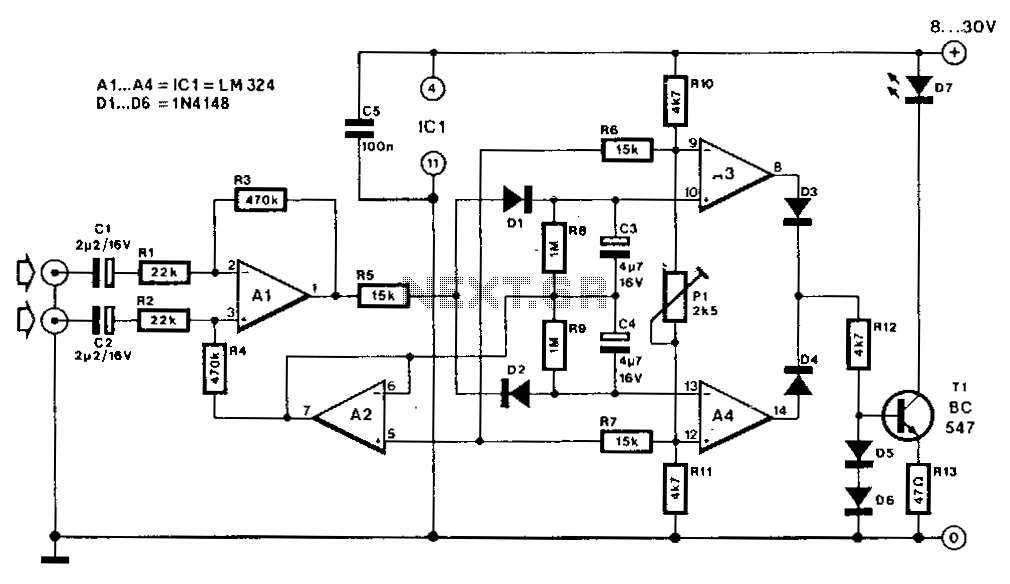
On most FM tuners, the stereo indicator activates upon detection of the 19-kHz pilot tone. However, this does not guarantee that the program is actually stereophonic, as the pilot tone is frequently transmitted alongside mono programs. A similar scenario occurs...
Ultra-Simple Microphone Preamplifier
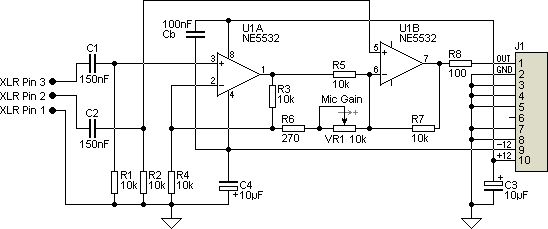
This project originated from a design requirement for a client, specifically for a microphone preamplifier intended for basic public address (PA) systems. The simplicity of this circuit makes it suitable for various applications where a mic preamp is needed, particularly...
microphone GoldenAge TC 1
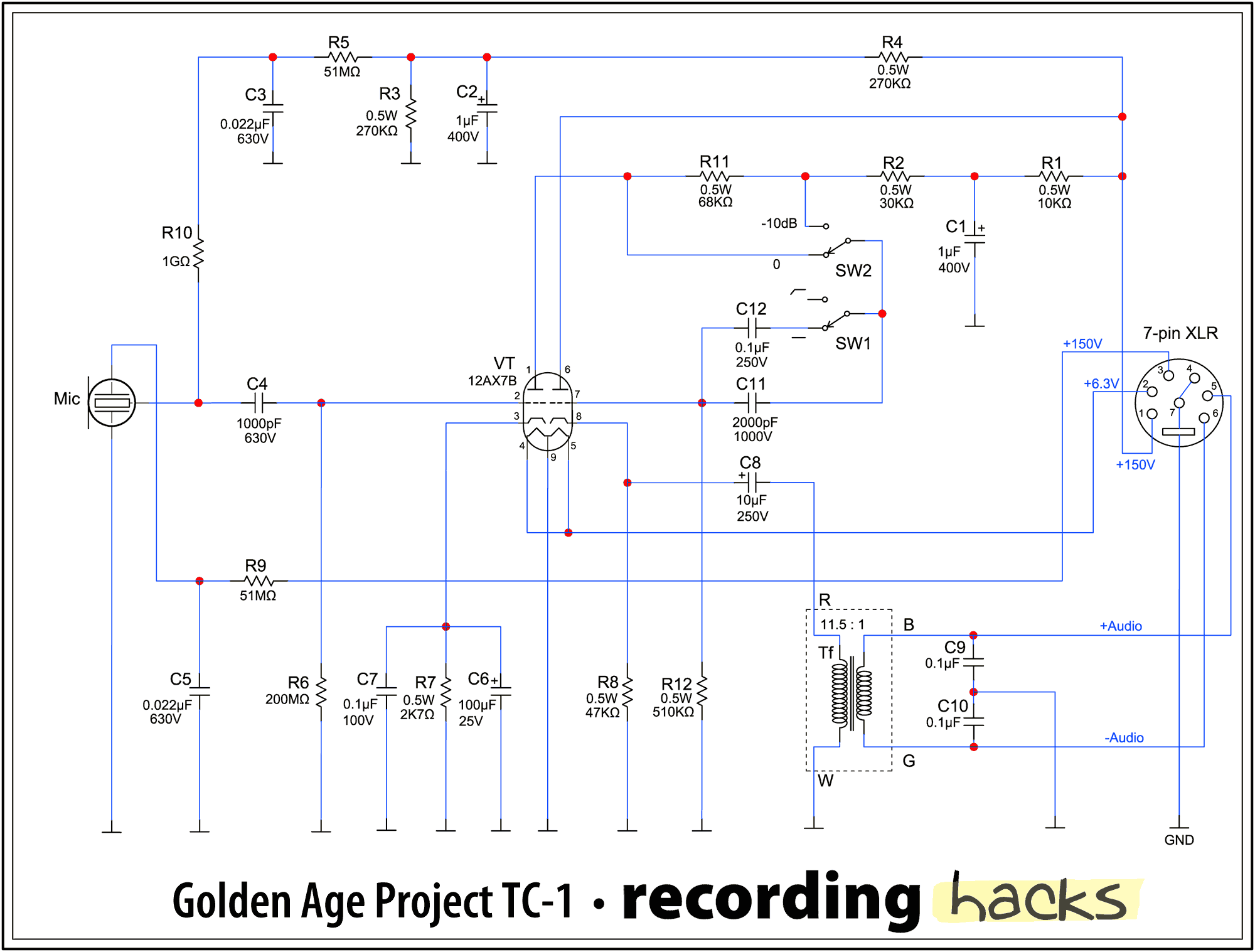
The microphone's capsule is believed to be a 32mm outer diameter (OD) design with a 26mm diaphragm and 3-micron membranes. It is most likely the standard Chinese-made 32mm K67 capsule commonly found in many inexpensive imported condenser microphones.
The 32mm K67...
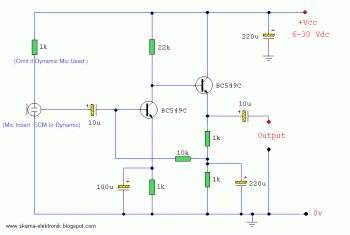
ecm mic preamplifier
Microphone amplifier schematics that can be utilized with either Electret Condenser Microphone (ECM) inserts or dynamic inserts, constructed with discrete components. The process of creating a PCB is straightforward. Begin by using PCB design software such as Eagle to create...
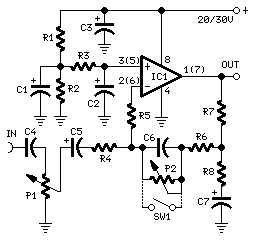
Stereo Preamplifier and Bass-booster
This preamplifier was designed to cope with CD players, tuners, tape recorders etc., providing a gain of 4, in order to drive less sensitive power amplifiers. As modern Hi-Fi home equipment is frequently fitted with small loudspeaker cabinets, the bass...
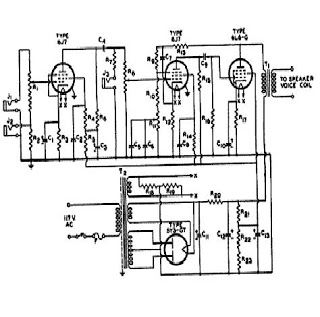
microphone amplifier 20khz 12v
The signal from a microphone is too weak for a standard line input. This low-noise DC-coupled microphone amplifier provides a solution for anyone who wants to connect a microphone to a high-fidelity installation. As shown in the schematic diagram, a...
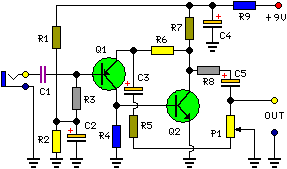
Portable Microphone Preamplifier
This circuit is primarily designed to provide a microphone input for standard home stereo amplifiers. Utilizing a battery supply minimizes the risk of low-frequency hum interference from mains power, simplifying the connection to the amplifier by eliminating the need for...

Stereo balance indicator circuit design electronic project
This stereo balance indicator circuit diagram is designed using a few common external components. The schematic circuit is simple to build and provides a visual indication with LEDs for left, right, and center balance. Outputs from each channel are fed...
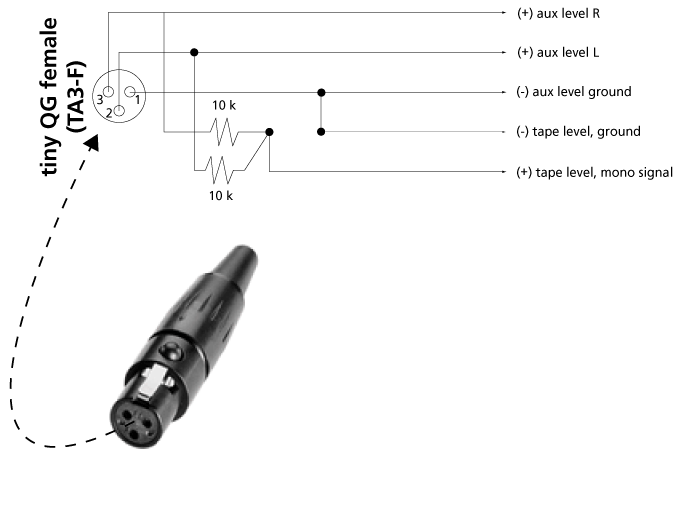
Adding a Mono Mic or Tape Level Output to the 302
The addition of a mono microphone-level output to the 302 is a beneficial enhancement for connecting transcription recorders, Comtek transmitters, and other inputs. The accompanying diagram demonstrates the correct wiring to create a mono microphone-level output from the tape level...