


Stability Analysis In Multiple Loop Systems
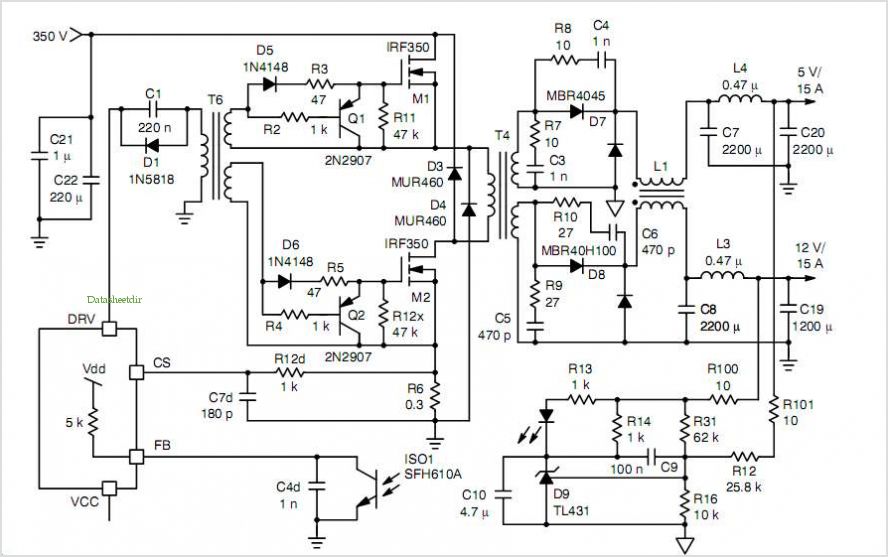
Description: SigmaTel's STAC9721 and STAC9723 are general-purpose 18-bit stereo, full-duplex audio CODECs that adhere to the AC'97 (Audio Codec 97 Component Specification Rev. 2.1) specifications. These devices utilize SigmaTel's proprietary Sigma-Delta technology to achieve a DAC signal-to-noise ratio (SNR) exceeding 95 dB. The integrated DACs, ADCs, and mixer are accompanied by various analog I/O options, including four analog line-level stereo inputs, two analog line-level mono inputs, two stereo outputs, and one mono output channel. Additional features include SigmaTel's 3D stereo enhancement technology (SS3D) and an extra true line-level output for headphones or speaker amplifiers. The STAC9721 and STAC9723 can function as secondary codecs in conjunction with primary codecs such as the STAC9700, STAC9704, STAC9707, STAC9744, STAC9745, or the 4-channel STAC9708, allowing for multiple codec configurations that comply with the AC'97 Rev. 2.1 specification. This setup can support up to six-channel output, enabling AC-3 playback for DVD applications. Communication with the STAC9721 and STAC9723 is facilitated through a five-wire AC-Link interface compatible with any AC-Link capable controller or advanced core logic chipset. These devices are housed in a 48-pin TQFP package compliant with AC'97, making them suitable for integration into motherboards, daughter boards, add-on cards, or AMR/MDC cards.
The STAC9721 and STAC9723 audio CODECs are designed for high-performance audio applications, providing robust features for both consumer and professional audio systems. The 18-bit resolution ensures high-quality audio playback and recording, while the full-duplex capability allows simultaneous audio input and output, making these CODECs ideal for applications such as voice-over-IP, multimedia PCs, and home theater systems.
The integration of Sigma-Delta technology is key to achieving a high DAC SNR, which is crucial for minimizing noise and distortion in audio signals, thus enhancing the overall audio experience. The extensive analog I/O options allow for flexible connectivity with various audio sources and outputs, catering to diverse application requirements. The inclusion of 3D stereo enhancement (SS3D) provides an immersive audio experience by simulating a surround sound environment, which is particularly beneficial for gaming and multimedia applications.
The multi-codec configuration capability enables designers to create complex audio systems that can handle multiple audio streams, essential for modern multimedia applications. The ability to achieve up to six-channel output also supports advanced audio formats like AC-3, making the STAC9721 and STAC9723 suitable for DVD playback and other high-fidelity audio applications.
The AC-Link interface simplifies communication between the audio CODEC and the host controller, ensuring efficient data transfer and synchronization. The 48-pin TQFP package allows for easy integration into various electronic designs, whether on mainboards or as part of expansion cards, thus providing versatility in design implementation.
Overall, the STAC9721 and STAC9723 audio CODECs represent a robust solution for high-quality audio processing, meeting the demands of modern audio applications while offering flexibility and ease of integration.SigmaTels STAC9721 STAC9723 is a general-purpose 18-bit stereo, full duplex, Audio CODEC that conforms to the Analog component specification of AC`97 (Audio Codec 97 Component Specification Rev. 2. 1). The STAC9721 STAC9723 incorporates SigmaTels proprietary Sigma-Delta technology to achieve a DAC SNR in excess of 95dB.
The DACs ADCs and mixer are integrated with Analog I/Os, which include four Analog line-level stereo inputs, two Analog line-level mono inputs, two stereo outputs, and one mono output channel. Also included are SigmaTels 3D stereo enhancement SS3D, and an extra true line-level out for Headphones or speaker Amplifiers The STAC9721 STAC9723 may be used as a secondary codec, with the STAC9700/STAC9704/STAC9707/STAC9744/STAC9745 or a 4-channel STAC9708 as the primary, in multiple codec configurations conforming to the AC`97 Rev.
2. 1 specification. This configuration CAN provide up to six-channel output, providing AC-3 playback for DVD applications. The STAC9721 STAC9723 communicates via the five-wire AC- Link Interface with any AC-Link capable controller or advanced core Logic chip-set.
Packaged in an AC`97 compliant 48-pin TQFP, the STAC9721 STAC9723 CAN be placed on motherboards, daughter boards, add- on cards or AMR/MDC cards. By Unkown
The STAC9721 and STAC9723 audio CODECs are designed for high-performance audio applications, providing robust features for both consumer and professional audio systems. The 18-bit resolution ensures high-quality audio playback and recording, while the full-duplex capability allows simultaneous audio input and output, making these CODECs ideal for applications such as voice-over-IP, multimedia PCs, and home theater systems.
The integration of Sigma-Delta technology is key to achieving a high DAC SNR, which is crucial for minimizing noise and distortion in audio signals, thus enhancing the overall audio experience. The extensive analog I/O options allow for flexible connectivity with various audio sources and outputs, catering to diverse application requirements. The inclusion of 3D stereo enhancement (SS3D) provides an immersive audio experience by simulating a surround sound environment, which is particularly beneficial for gaming and multimedia applications.
The multi-codec configuration capability enables designers to create complex audio systems that can handle multiple audio streams, essential for modern multimedia applications. The ability to achieve up to six-channel output also supports advanced audio formats like AC-3, making the STAC9721 and STAC9723 suitable for DVD playback and other high-fidelity audio applications.
The AC-Link interface simplifies communication between the audio CODEC and the host controller, ensuring efficient data transfer and synchronization. The 48-pin TQFP package allows for easy integration into various electronic designs, whether on mainboards or as part of expansion cards, thus providing versatility in design implementation.
Overall, the STAC9721 and STAC9723 audio CODECs represent a robust solution for high-quality audio processing, meeting the demands of modern audio applications while offering flexibility and ease of integration.SigmaTels STAC9721 STAC9723 is a general-purpose 18-bit stereo, full duplex, Audio CODEC that conforms to the Analog component specification of AC`97 (Audio Codec 97 Component Specification Rev. 2. 1). The STAC9721 STAC9723 incorporates SigmaTels proprietary Sigma-Delta technology to achieve a DAC SNR in excess of 95dB.
The DACs ADCs and mixer are integrated with Analog I/Os, which include four Analog line-level stereo inputs, two Analog line-level mono inputs, two stereo outputs, and one mono output channel. Also included are SigmaTels 3D stereo enhancement SS3D, and an extra true line-level out for Headphones or speaker Amplifiers The STAC9721 STAC9723 may be used as a secondary codec, with the STAC9700/STAC9704/STAC9707/STAC9744/STAC9745 or a 4-channel STAC9708 as the primary, in multiple codec configurations conforming to the AC`97 Rev.
2. 1 specification. This configuration CAN provide up to six-channel output, providing AC-3 playback for DVD applications. The STAC9721 STAC9723 communicates via the five-wire AC- Link Interface with any AC-Link capable controller or advanced core Logic chip-set.
Packaged in an AC`97 compliant 48-pin TQFP, the STAC9721 STAC9723 CAN be placed on motherboards, daughter boards, add- on cards or AMR/MDC cards. By Unkown
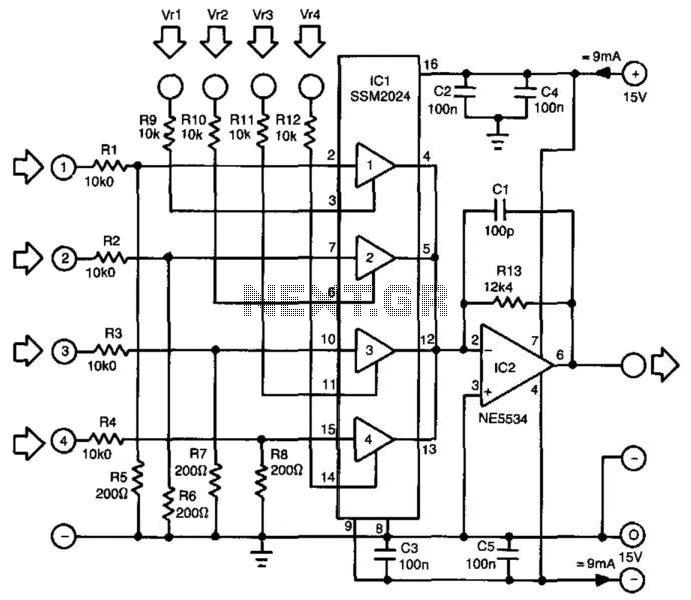
4-Channel Mixer
The proposed mixer is designed around four current-driven transconductance amplifiers contained in an SSM2024 from Precision Monolithics. To achieve low offset and high control rejection, the four inputs should have an impedance to earth of approximately 200 ohms. These impedances...
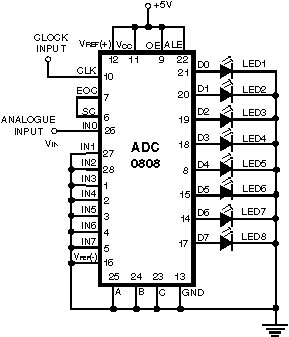
Analog to Digital Converter with ADC0808
Normally analogue-to-digital converter (ADC) needs interfacing through a microprocessor to convert analogue data into digital format. This requires hardware and necessary software, resulting in increased complexity and hence the total cost. The circuit of A-to-D converter shown here is configured...
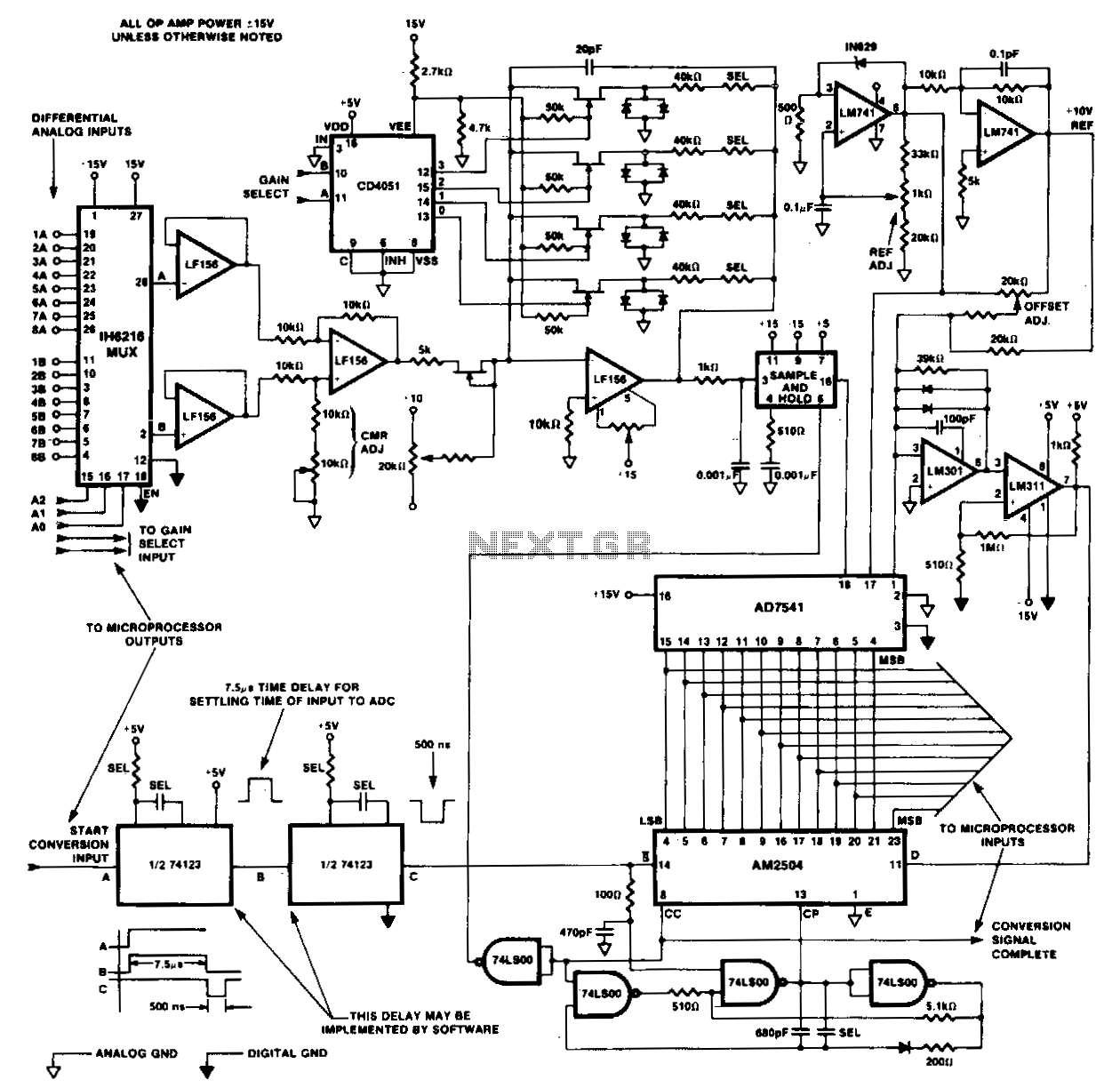
12-Bit-da-conversion-system
The front end of the DAC is configured differentially using dual eight-input IC multiplexer 1H6216 and three LM156 operational amplifiers. Following the differential amplifier is the programmable gain stage, which includes a low-pass filter on the output that feeds into...
adc interfacing
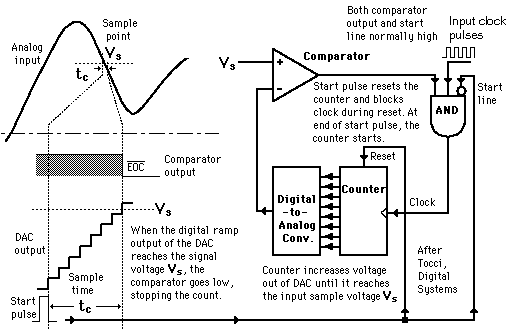
Analog to Digital Converter (ADC) interfacing with microcontrollers such as AVR, 8051, and PIC, including Digital-Ramp ADC, Successive Approximation ADC, Flash ADC, and basic working of an analog to digital converter.
Analog to Digital Converters (ADCs) are essential components in modern...
Digital-to-analog converter (DAC)
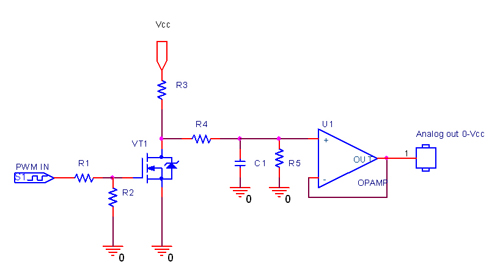
In electronics, a digital-to-analog converter (DAC or D-to-A) is a device that converts a digital code, typically in binary format, into an analog signal, which can be in the form of current, voltage, or electric charge. DACs are utilized for...
D A conversion frequency generator complementary bipolar
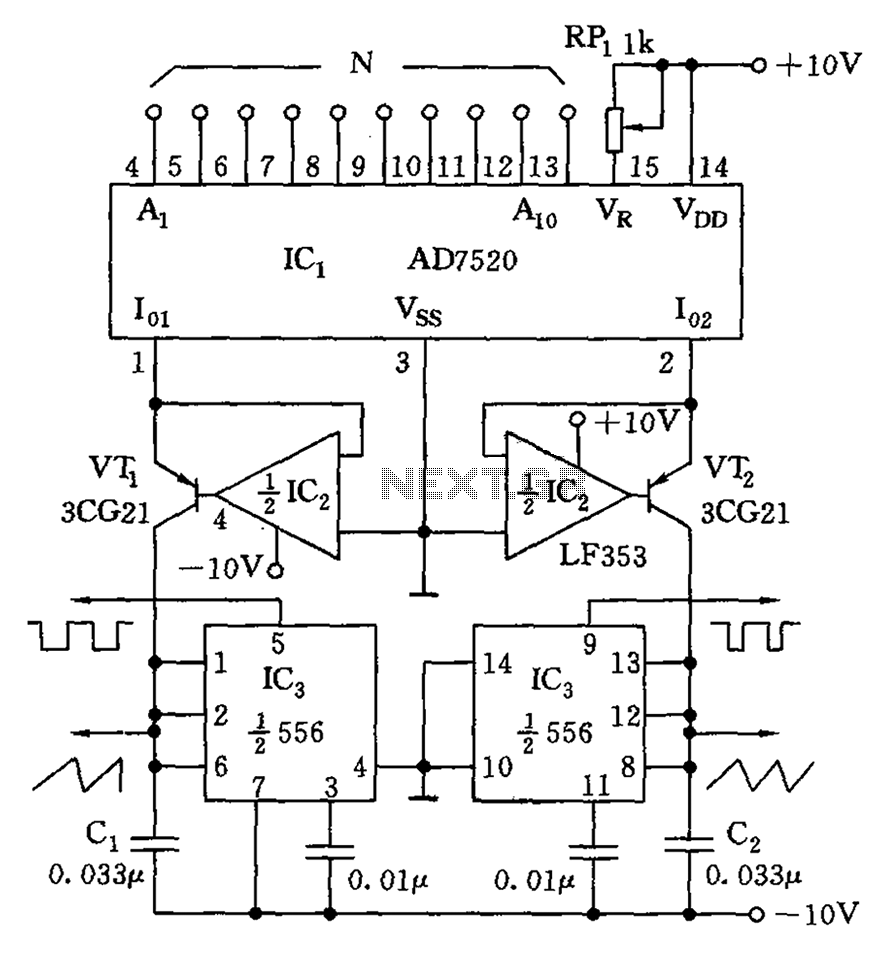
As shown in the figure, the AD7520 is a CMOS type integrated circuit Digital-to-Analog Converter (DAC) featuring 10 channels. It can provide 10 N-bit digital outputs that are proportional to the input current Io1, as well as outputs that are...
Low Noise 4 Channel Guitar Mixer Circuit
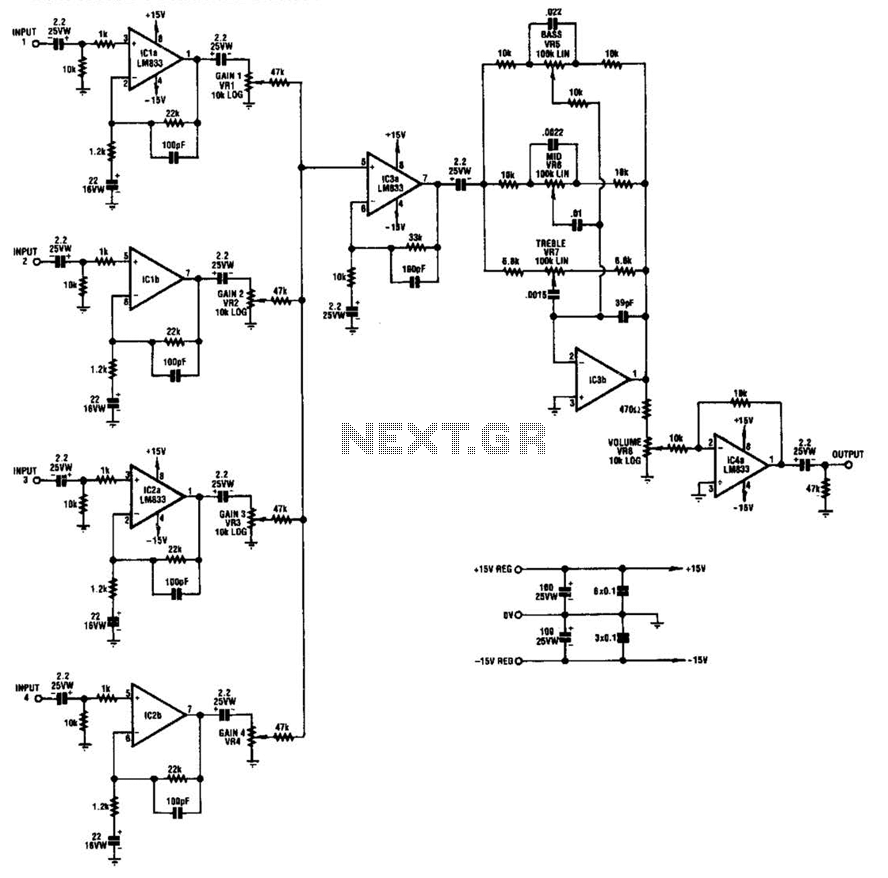
IC1-a, IC1-b, IC2-a, and IC2-b all operate with a gain of approximately 19. Their outputs are combined through level-control potentiometers, and the resulting signal is amplified by IC3-a before being sent to the tone-control stage IC3-b. Finally, the output from...
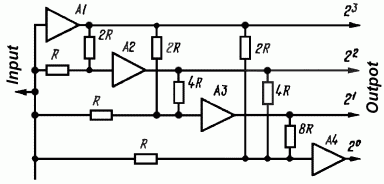
Simple Analog to Digital Converter
The simplest Analog to Digital Converter (ADC) can be constructed as shown in Figure 1. The input voltage, which can range from zero up to the power supply voltage (Vcc), is converted to a parallel binary code at the outputs...
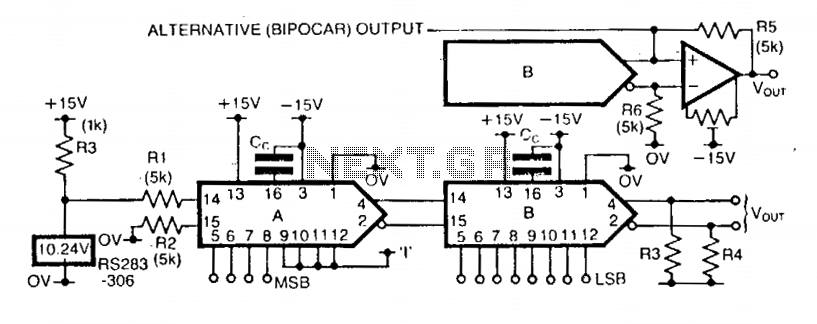
12-Bit dac with variable step size
The step size of the converter is variable by selecting the high-order data bits. The first DAC, A, has a stable reference current supplied via a 10.24 V reference IC and resistor R1. Resistor R2 provides bias cancellation. Only the...