


Designing A Li Ion Battery Charger with Load Sharing MCP73837
#Li Ion
#MCP73837
#load sharing
#battery management
#portable electronics
#energy source
#wall adapter
#power adapter
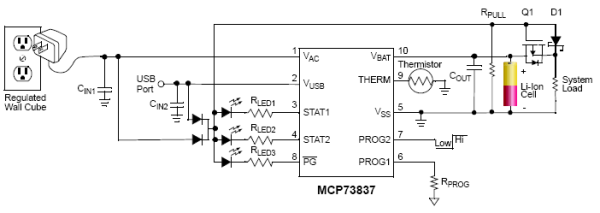
Description: Designing a Li-Ion Battery Charger with Load Sharing MCP73837. Batteries frequently serve as the primary energy source for portable electronic devices. Although these devices rely on batteries, portable consumer electronics such as GPS devices and multimedia players often draw energy directly from an AC-DC wall adapter or accessory power adapter when the battery is low or the device is in stationary mode. Due to their cost-effectiveness over their lifespan, rechargeable batteries are commonly used as the power source for portable electronic devices. Attributes such as relatively high energy density and maintenance-free operation make Lithium-Ion (Li-Ion) batteries popular in portable consumer electronics. Refer to application note AN1088, Selecting the Right Battery System for Cost-Sensitive Portable Applications While Maintaining Excellent Quality (DS01088) for characteristics of Li-Ion batteries. This application note will discuss examples of how to design properly with Li-Ion batteries.
The MCP73837 is a highly integrated Li-Ion battery charger designed to provide efficient charging while enabling load sharing capabilities. This device is particularly suitable for applications where the battery needs to be charged while simultaneously powering the load, such as in portable consumer electronics. The MCP73837 features a built-in power path management system that allows the device to prioritize power delivery to the load when an external power source is present, ensuring uninterrupted operation of the device.
The charger operates with a wide input voltage range, making it compatible with various power adapters. Its integrated current regulation and voltage regulation features ensure that Li-Ion batteries are charged safely and effectively, preventing overcharging and extending battery life. The MCP73837 also includes thermal regulation to manage heat dissipation during charging, which is crucial for maintaining the reliability and safety of the battery.
Incorporating this charger into a design involves connecting the battery, load, and external power source to the appropriate pins on the MCP73837. The device requires minimal external components, simplifying the overall circuit design. Furthermore, the use of a Li-Ion battery in conjunction with this charger provides advantages such as high energy density, light weight, and long cycle life, making it an ideal choice for portable applications.
When designing with Li-Ion batteries, it is essential to consider various factors, including battery chemistry, charge cycles, and discharge rates. Properly selecting the battery system not only enhances the performance of the device but also ensures compliance with safety standards. The application note AN1088 provides additional insights into selecting the right battery system tailored for cost-sensitive applications while maintaining quality, ensuring that designers can make informed decisions in their projects.Designing A Li Ion Battery Charger with Load Sharing MCP73837 Batteries often serve as the main energy source for portable electronic devices. Although they depend on batteries, portable consumer electronic products, such as GPS devices and multi-media players, often consume energy directly from an ac-dc wall adapter or accessory power adapter
(or Auto Adapter ) when the battery is low or the device is in a stationary mode. Due to their cost effectiveness over their useful life, rechargeable batteries are often used for the power source of the portable electronic device. Attributes such as relatively high energy density and maintenance free make Lithium-Ion (Li-Ion) batteries popular in the portable consumer electronic products.
Refer to the application note, AN1088, Selecting the Right Battery System For cost Sensitive Portable Applications While maintaining Excellent Quality (DS01088) for characteristics of Li-Ion batteries. Some examples of how to properly design with Li-Ion batteries will be discussed in this application note.
[Link]
The MCP73837 is a highly integrated Li-Ion battery charger designed to provide efficient charging while enabling load sharing capabilities. This device is particularly suitable for applications where the battery needs to be charged while simultaneously powering the load, such as in portable consumer electronics. The MCP73837 features a built-in power path management system that allows the device to prioritize power delivery to the load when an external power source is present, ensuring uninterrupted operation of the device.
The charger operates with a wide input voltage range, making it compatible with various power adapters. Its integrated current regulation and voltage regulation features ensure that Li-Ion batteries are charged safely and effectively, preventing overcharging and extending battery life. The MCP73837 also includes thermal regulation to manage heat dissipation during charging, which is crucial for maintaining the reliability and safety of the battery.
Incorporating this charger into a design involves connecting the battery, load, and external power source to the appropriate pins on the MCP73837. The device requires minimal external components, simplifying the overall circuit design. Furthermore, the use of a Li-Ion battery in conjunction with this charger provides advantages such as high energy density, light weight, and long cycle life, making it an ideal choice for portable applications.
When designing with Li-Ion batteries, it is essential to consider various factors, including battery chemistry, charge cycles, and discharge rates. Properly selecting the battery system not only enhances the performance of the device but also ensures compliance with safety standards. The application note AN1088 provides additional insights into selecting the right battery system tailored for cost-sensitive applications while maintaining quality, ensuring that designers can make informed decisions in their projects.Designing A Li Ion Battery Charger with Load Sharing MCP73837 Batteries often serve as the main energy source for portable electronic devices. Although they depend on batteries, portable consumer electronic products, such as GPS devices and multi-media players, often consume energy directly from an ac-dc wall adapter or accessory power adapter
(or Auto Adapter ) when the battery is low or the device is in a stationary mode. Due to their cost effectiveness over their useful life, rechargeable batteries are often used for the power source of the portable electronic device. Attributes such as relatively high energy density and maintenance free make Lithium-Ion (Li-Ion) batteries popular in the portable consumer electronic products.
Refer to the application note, AN1088, Selecting the Right Battery System For cost Sensitive Portable Applications While maintaining Excellent Quality (DS01088) for characteristics of Li-Ion batteries. Some examples of how to properly design with Li-Ion batteries will be discussed in this application note.
[Link]
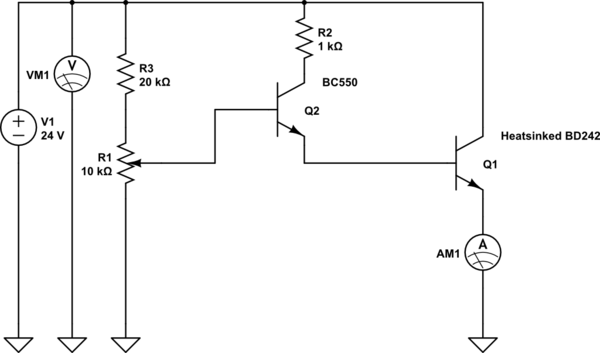
power supply How to measure the capabilities of a wall adapter
The device shows a voltage of 24V at no load on pins +4, 5 and -7, 8. This configuration is referred to as a passive power injector. When a current draw of 1A was attempted from the device, it failed,...
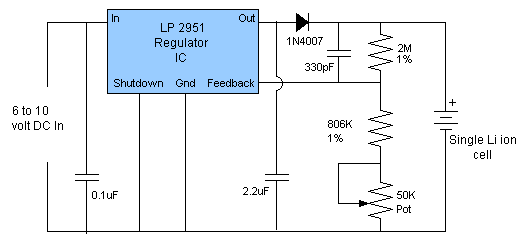
li ion battery charger circuit
This article describes a circuit for a simple single-cell lithium-ion battery charger utilizing the LP2391 regulator IC.
The circuit presented is designed for charging a single-cell lithium-ion battery efficiently. The LP2391 is a linear voltage regulator that provides a constant output...
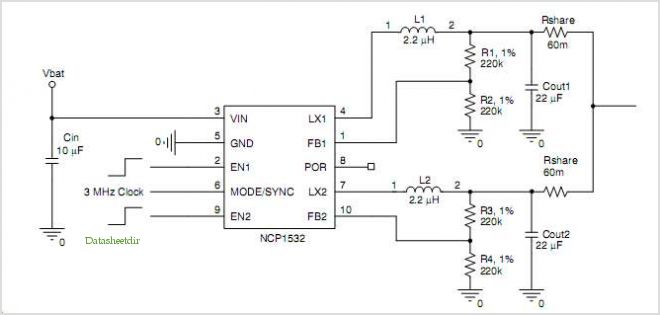
How To Increase Output Current Capability Using Load Sharing Method
The Hopping Decoder is utilized in conjunction with the Hopping Encoder device to decode address data, key data, and rolling data. It employs the DES24 encryption algorithm for decoding. Each time the Hopping Encoder key is activated, the rolling data...