


LTC1042 wind charger circuit schematic project
#LTC1042
#wind charger
#Ni-Cd batteries
#lead acid batteries
#CMOS window comparator
#Linear Technology
#renewable energy
#voltage control
#energy harvesting
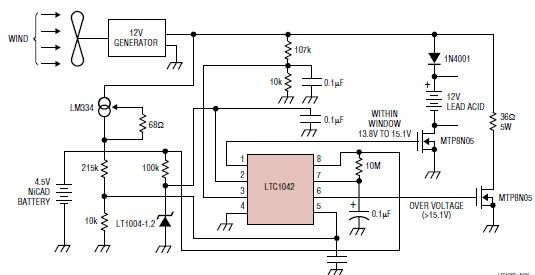
Description: This simple wind charger circuit project is designed using the LTC1042 monolithic CMOS window comparator, manufactured by Linear Technology. The wind charger circuit utilizes wind power to generate the energy necessary for charging Ni-Cd or lead-acid batteries. When the generator voltage output is below 13.8V, the control circuit is activated, allowing the Ni-Cd battery to charge while the lead-acid battery remains uncharged. If the generator voltage exceeds 15.1V, typically due to high wind speeds or a fully charged 12V battery, a fixed load is engaged to limit the generator's RPM, thereby preventing potential damage.
The wind charger circuit primarily employs the LTC1042, which serves as a window comparator to monitor the voltage levels of the generator output. The circuit is designed to operate within specific voltage thresholds to ensure safe and efficient charging of the batteries. The LTC1042 compares the generator voltage against preset reference levels, activating the charging process when the voltage is sufficiently low and disengaging it when the voltage rises too high.
The LM334 current source plays a crucial role in regulating the charging current to the Ni-Cd battery, ensuring that it receives an appropriate amount of charge without exceeding safe limits. This is particularly important for maintaining the longevity and performance of the battery. The circuit's design effectively prevents overcharging, which can lead to battery damage or reduced lifespan.
In scenarios where the generator voltage exceeds the upper threshold of 15.1V, the circuit automatically connects a fixed load. This load serves to dissipate excess energy generated by the wind turbine, thereby controlling the RPM of the generator. By limiting the RPM, the circuit mitigates the risk of mechanical failure or damage to the generator components, which could occur under excessive wind conditions.
Overall, this wind charger circuit is an efficient solution for harnessing wind energy to charge batteries, providing a sustainable power source while incorporating safety features to protect both the generator and the batteries involved. The careful selection of components and the design of the control mechanisms ensure reliable operation in varying wind conditions.This simple wind Charger circuit electronic project is designed using the LTC1042 monolithic CMOS window comparator, manufactured by Linear Technology. This Wind charger circuit electronic project use the wind power to produce the energy required to charge Ni-Cd or Lead Acid batteries.
If generator voltage output is below 13. 8V, the control circ uit is active and the NiCad battery is charging through the LM334 current source (the lead acid battery is not being charged). If generator voltage exceeds 15. 1V (a condition caused by excessive wind speed or 12V battery being fully charged) then a fixed load is connected thus limiting the generator RPM to prevent damage.
The wind charger circuit primarily employs the LTC1042, which serves as a window comparator to monitor the voltage levels of the generator output. The circuit is designed to operate within specific voltage thresholds to ensure safe and efficient charging of the batteries. The LTC1042 compares the generator voltage against preset reference levels, activating the charging process when the voltage is sufficiently low and disengaging it when the voltage rises too high.
The LM334 current source plays a crucial role in regulating the charging current to the Ni-Cd battery, ensuring that it receives an appropriate amount of charge without exceeding safe limits. This is particularly important for maintaining the longevity and performance of the battery. The circuit's design effectively prevents overcharging, which can lead to battery damage or reduced lifespan.
In scenarios where the generator voltage exceeds the upper threshold of 15.1V, the circuit automatically connects a fixed load. This load serves to dissipate excess energy generated by the wind turbine, thereby controlling the RPM of the generator. By limiting the RPM, the circuit mitigates the risk of mechanical failure or damage to the generator components, which could occur under excessive wind conditions.
Overall, this wind charger circuit is an efficient solution for harnessing wind energy to charge batteries, providing a sustainable power source while incorporating safety features to protect both the generator and the batteries involved. The careful selection of components and the design of the control mechanisms ensure reliable operation in varying wind conditions.This simple wind Charger circuit electronic project is designed using the LTC1042 monolithic CMOS window comparator, manufactured by Linear Technology. This Wind charger circuit electronic project use the wind power to produce the energy required to charge Ni-Cd or Lead Acid batteries.
If generator voltage output is below 13. 8V, the control circ uit is active and the NiCad battery is charging through the LM334 current source (the lead acid battery is not being charged). If generator voltage exceeds 15. 1V (a condition caused by excessive wind speed or 12V battery being fully charged) then a fixed load is connected thus limiting the generator RPM to prevent damage.
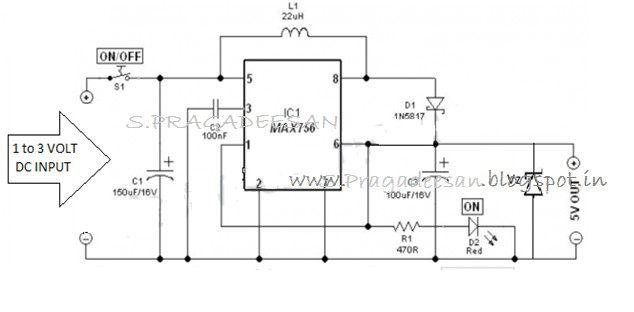
Portable Battery Charger Using Renewable Energy Sources like Solar or Wind Project
Every innovation begins with a simple everyday problem, such as watching an IPL match on TV when suddenly the power goes out, prompting the search for an alternative way to watch via mobile network. Similarly, a frequent issue of mobile...
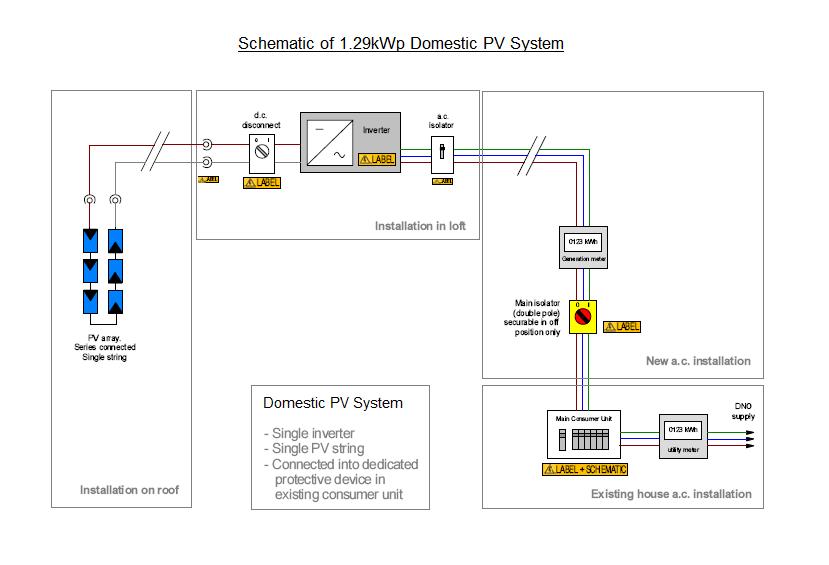
Low/Zero-Carbon Office
The intention is to genuinely and measurably reduce energy consumption and/or micro-generate energy, leading to a net reduction in the energy imported to a residence each year. Since 2007/2008, all office lighting has been transitioned off-grid, achieving a zero-carbon status...
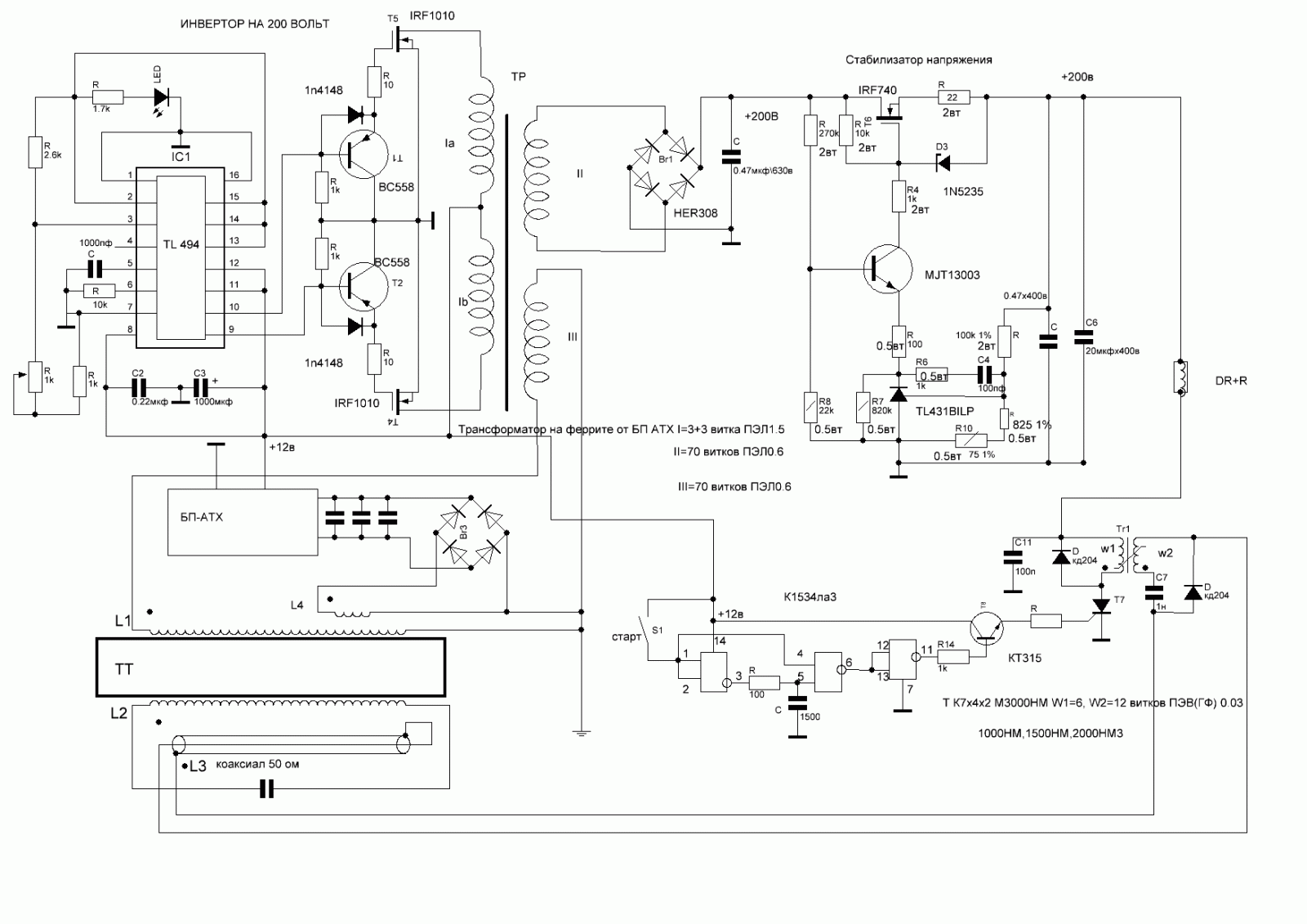
Kapagen Winding Diagrams
Renewable energy discussions encompass various alternative energy, renewable energy, and free energy technologies. Discussions about environmental issues, global warming, and other related topics are also welcome. It is important to address the validity, organization, and general advice concerning the Kapagen...
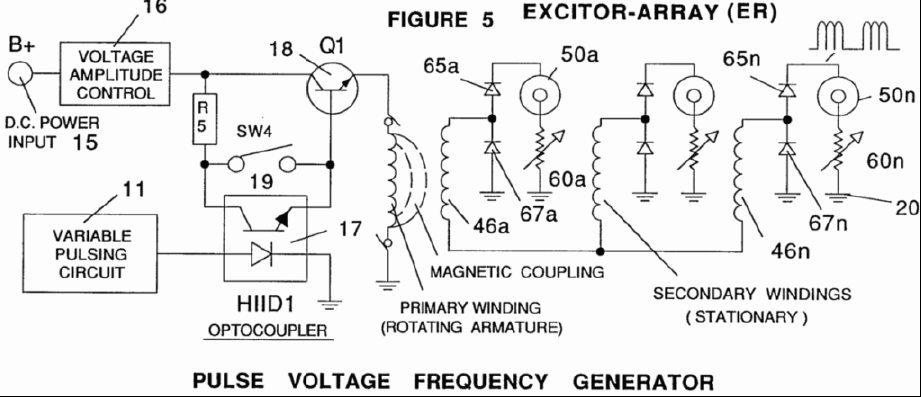
Gas Generator Voltage Control Circuit
A power supply system utilizes a generator as a source of fuel to separate hydrogen and oxygen gases from natural water. It has the capability to control gas production by varying the amplitude of the voltage and/or the pulse repetition...
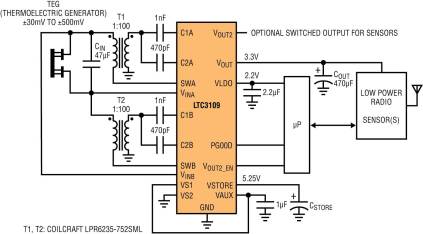
Energy harvesting from thermoelectric sources
The cost of electricity worldwide has been steadily increasing for over the past 40 years. With the exception of a few periods of stable rates and a handful of minor decreases, electricity prices have risen almost every year since 1970....
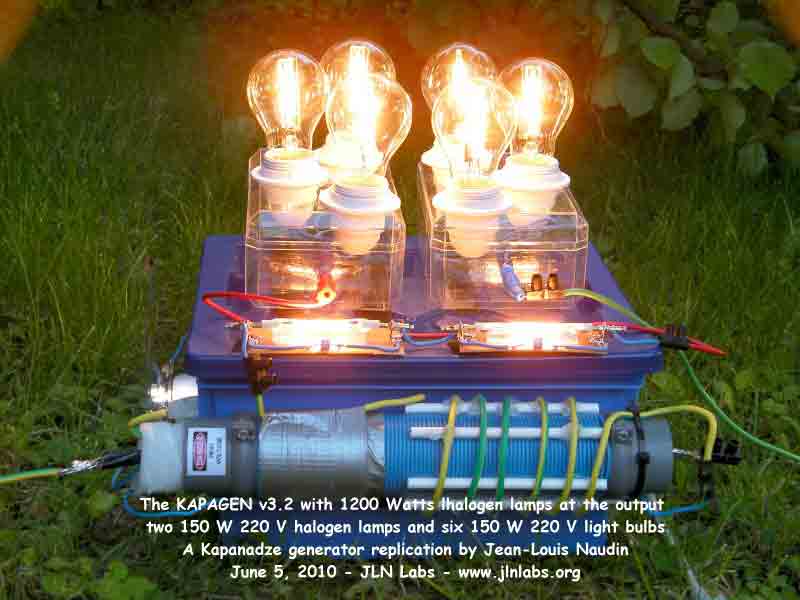
KAPAGEN (earth power multiplier)
The purpose of the Kapagen is to suck the free electrons from the Earth. The Earth is a big capacitor which contains free electric charges. If it is possible to create or to find a potential imbalance between two points...
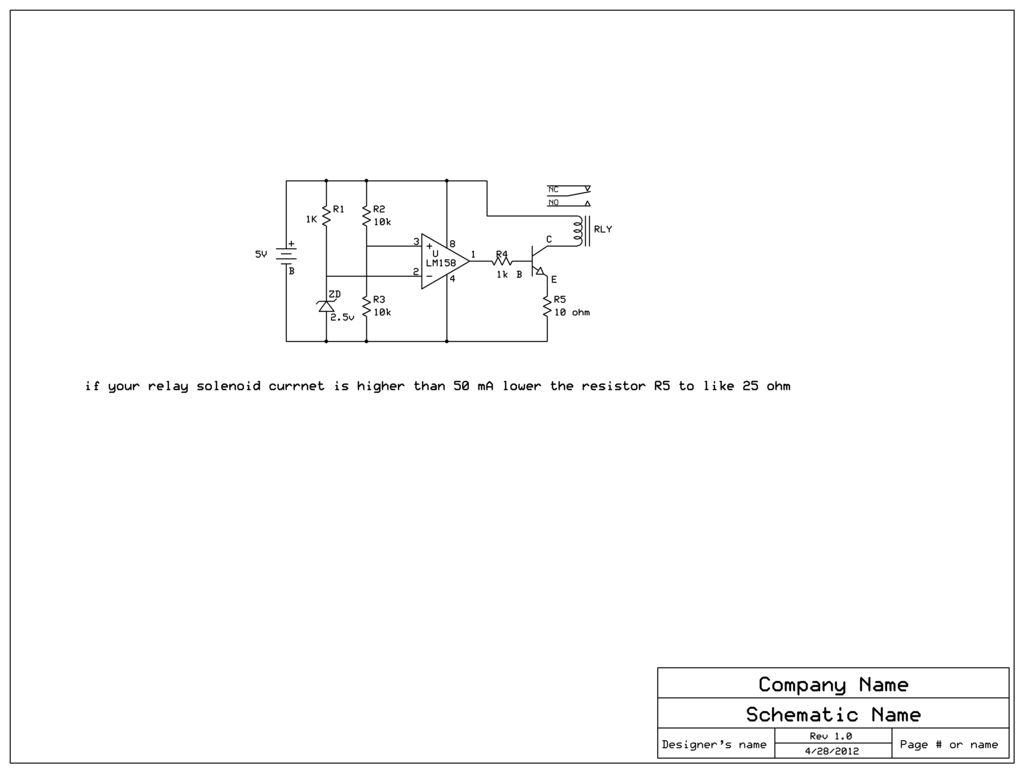
Voltage Controlled Switch
This is a small circuit designed for use as a charging controller or voltage limiter. It is particularly useful for creating a solar charger. The assembly of the circuit allows for modifications according to personal preferences. The circuit is intended...

Good vibrations for energy harvesting
A wide range of low-power industrial sensors and controllers are turning to alternative sources of energy as the primary or supplemental means of supplying power. Ideally, such harvested energy will eliminate the need for wired power or batteries altogether. Transducers...
PC Controlled Voltage or Current Source
This project was begun as a means to charge and cycle NiCad batteries but has become a versatile tool for experiments requiring either a controlled voltage up to +30V and/or a current of +/- 2.5 Amps. If all you want...