


MikroC Pro for PIC driver routine for 74HC595 based serial LCD interface
#74HC595
#shift register
#serial interface
#LCD
#MikroC Pro
#PIC
#library
#driver routine
#embedded systems
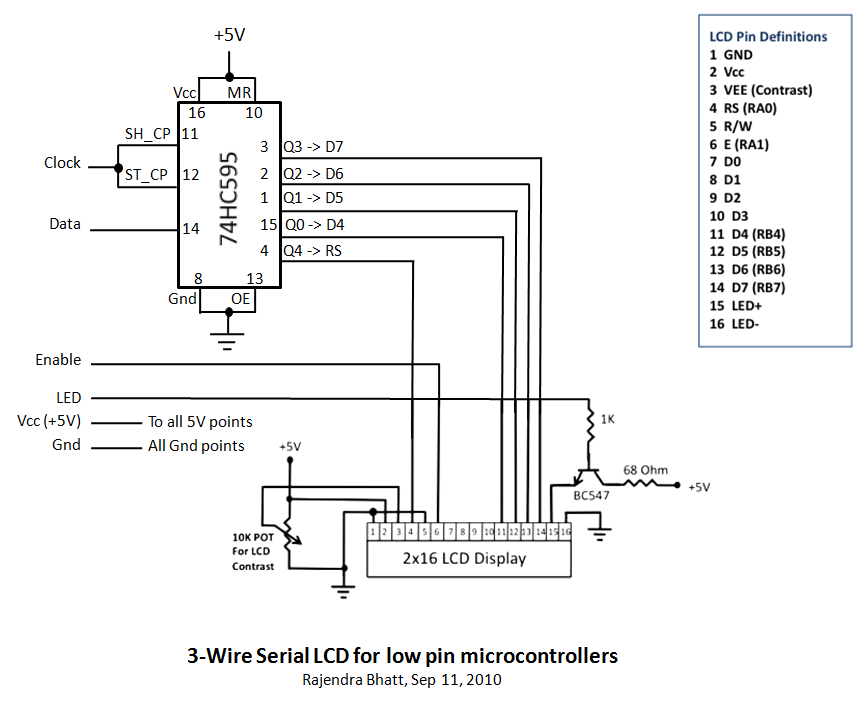
Description: Library routines for a 3-wire LCD interface utilizing the 74HC595 shift register. Additional details can be found in the attached ReadMe document or on the associated webpage.
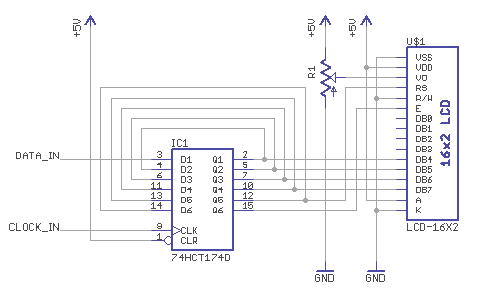
The library routines for the 3-wire LCD interface are designed to facilitate communication between a microcontroller and an LCD module using the 74HC595 shift register. The 74HC595 is an 8-bit serial-in, parallel-out shift register, which allows for the reduction of the number of pins required for interfacing with the LCD. In this configuration, only three pins from the microcontroller are needed: data, clock, and latch.
The data pin is used to send serial data to the 74HC595, which will then convert this serial data into parallel output to drive the LCD. The clock pin controls the timing of the data transfer, allowing the microcontroller to synchronize the data being sent. The latch pin is used to transfer the data from the shift register to the output pins, effectively updating the display.
To implement this library, the user must initialize the 74HC595 and configure the LCD according to its specifications. The library routines typically include functions for initializing the LCD, sending commands, and writing data to the display. These functions abstract the complexities of direct communication with the shift register, providing a simpler interface for the user.
The use of a shift register in this application not only conserves GPIO pins but also enhances the scalability of the system. Multiple LCDs can be connected in a daisy-chain configuration, allowing for the expansion of the display without additional microcontroller pins. The library routines are optimized for performance, ensuring that the data is transmitted quickly and efficiently to maintain a responsive user interface.
Overall, this 3-wire LCD interface library based on the 74HC595 shift register is a valuable tool for developers looking to integrate LCD displays into their projects with minimal pin usage and enhanced flexibility.Library routines for 3-wire LCD interface based on 74HC595 shift register. More details are provided in the attached ReadMe document or posted at Do you want to unsubscribe in order to stop receiving notifications regarding "MikroC Pro for PIC driver routine for 74HC595 based serial LCD interface " changes.
The library routines for the 3-wire LCD interface are designed to facilitate communication between a microcontroller and an LCD module using the 74HC595 shift register. The 74HC595 is an 8-bit serial-in, parallel-out shift register, which allows for the reduction of the number of pins required for interfacing with the LCD. In this configuration, only three pins from the microcontroller are needed: data, clock, and latch.
The data pin is used to send serial data to the 74HC595, which will then convert this serial data into parallel output to drive the LCD. The clock pin controls the timing of the data transfer, allowing the microcontroller to synchronize the data being sent. The latch pin is used to transfer the data from the shift register to the output pins, effectively updating the display.
To implement this library, the user must initialize the 74HC595 and configure the LCD according to its specifications. The library routines typically include functions for initializing the LCD, sending commands, and writing data to the display. These functions abstract the complexities of direct communication with the shift register, providing a simpler interface for the user.
The use of a shift register in this application not only conserves GPIO pins but also enhances the scalability of the system. Multiple LCDs can be connected in a daisy-chain configuration, allowing for the expansion of the display without additional microcontroller pins. The library routines are optimized for performance, ensuring that the data is transmitted quickly and efficiently to maintain a responsive user interface.
Overall, this 3-wire LCD interface library based on the 74HC595 shift register is a valuable tool for developers looking to integrate LCD displays into their projects with minimal pin usage and enhanced flexibility.Library routines for 3-wire LCD interface based on 74HC595 shift register. More details are provided in the attached ReadMe document or posted at Do you want to unsubscribe in order to stop receiving notifications regarding "MikroC Pro for PIC driver routine for 74HC595 based serial LCD interface " changes.
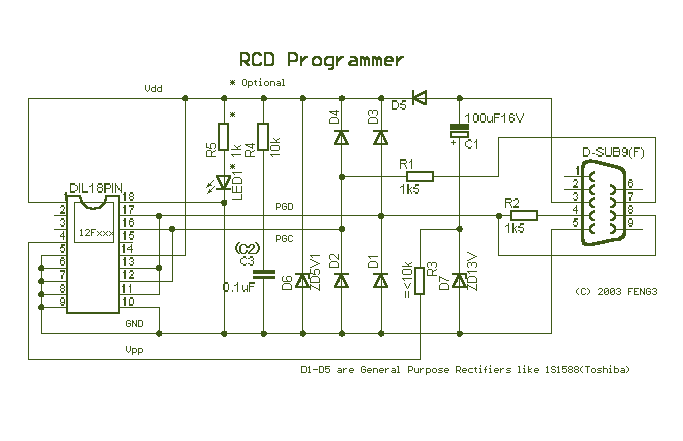
PIC Programmer II
C1 is a charge pump capacitor. This works as a voltage doubler. When TxD is negative voltage, C1 is charged through D7 from GND. If TxD carries out turn-on, since it will become positive voltage, the voltage charged in C1...

sudheer gupta
A microcontroller is an integrated circuit that includes components such as RAM, ROM, CPU, timers, and counters. The PIC microcontroller is a specific type of microcontroller that also features RAM, ROM, a CPU, timers, counters, and includes ADC (analog to...
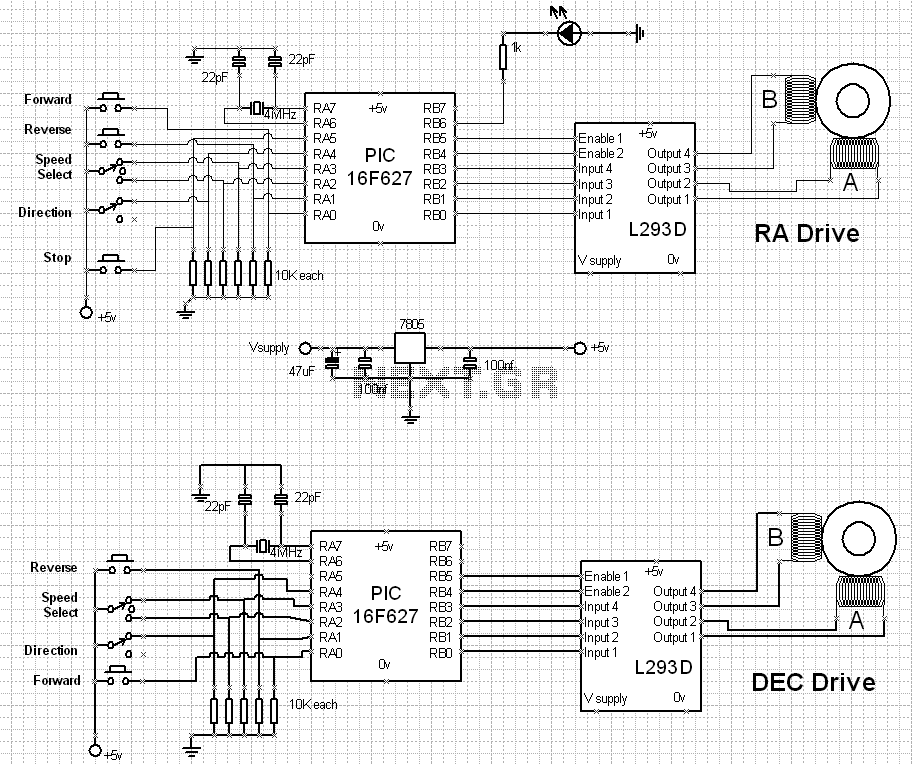
PICcontroller
It was discovered through experience why the 6V EQ-5 hand controller should not be connected to 12V by mistake. It only took about half a second to damage the hand controller. Upon inspection, it became clear that the large 40-pin...
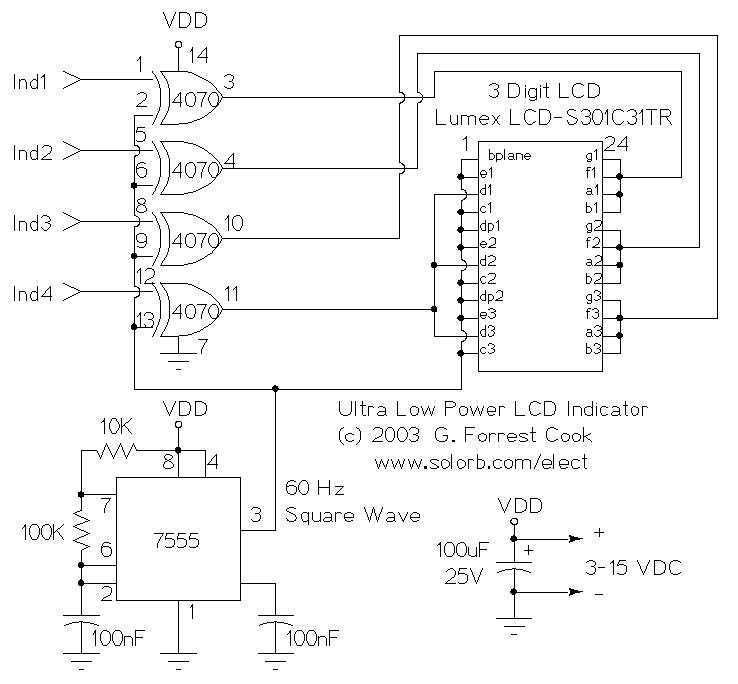
Ultra Low Power LCD Indicator
This circuit serves as an ultra-low power replacement for multiple LED on-off indicators. It also has the advantage of being easy to read in full daylight. With the parts shown, it is possible to display four bits of information. The...
40 Pin PIC Development Board
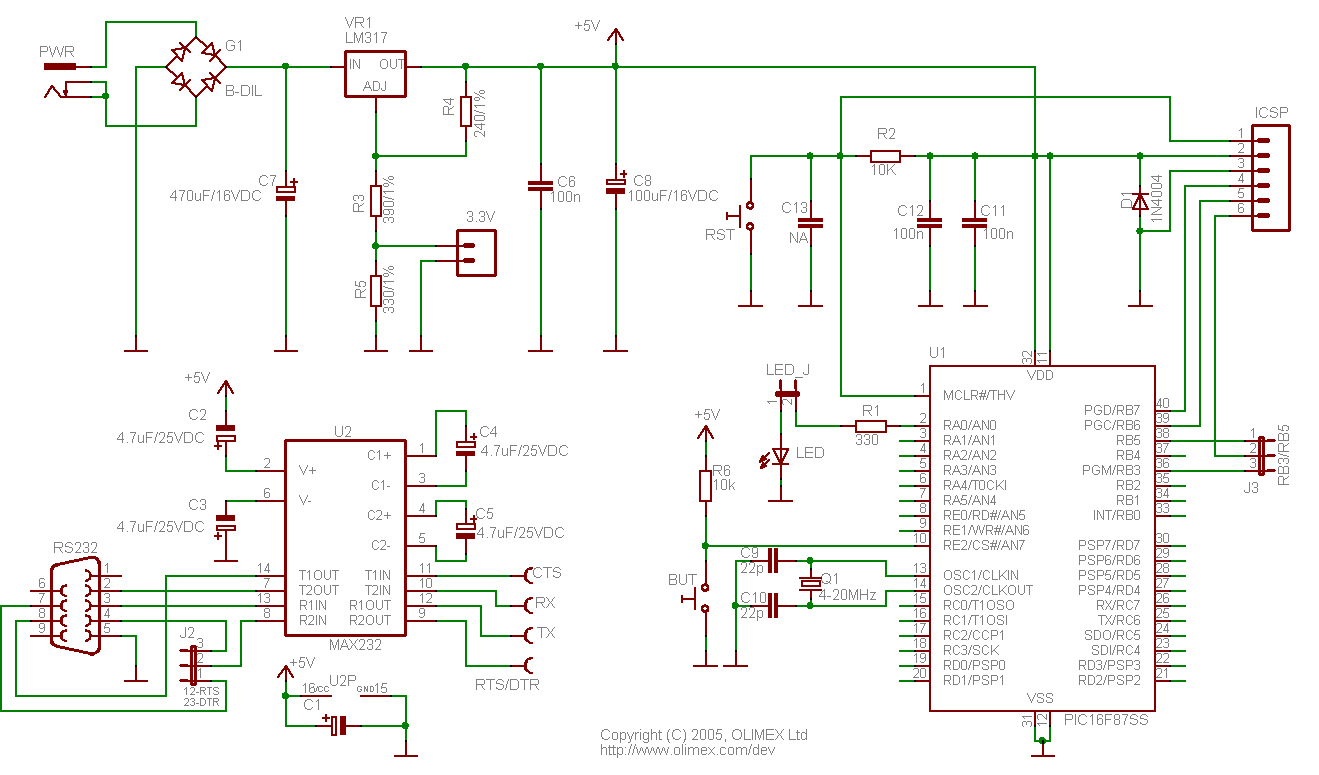
For applications requiring numerous Analog to Digital channels or substantial program memory (up to 32K), this prototype board is ideal. It is designed for 40-pin PIC microcontrollers and includes a power supply circuit, a 20MHz crystal oscillator circuit, an RS232...
PIC Projects
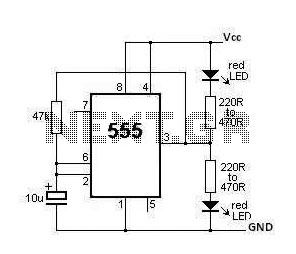
The 12F629/675 PICs are compact 8-pin DIP devices suitable for various applications. They feature an internal oscillator, a comparator, an analog-to-digital converter, and timers. The Microchip PICkit1 serves as an effective USB programmer. PicBasic Pro (PBP) is a user-friendly package...
Serial LCD Library
This project utilizes a standard Hitachi HD44780 (or compatible) controller chip to operate an LCD display using only two wires. Various shapes and sizes are available, including standard line lengths of 8, 16, 20, 24, 32, and 40 characters in...
Electronic combination lock with PIC
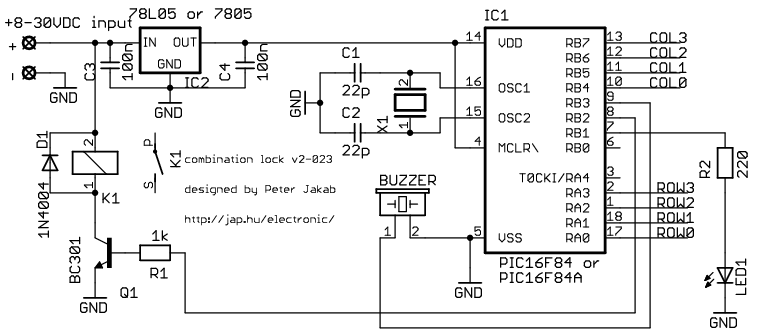
This is my electronic combination lock to use with an outdoor gate. The functionality is implemented in software. It turns on a relay (usually to open a door) for a few seconds if someone enters the valid code. This relay...
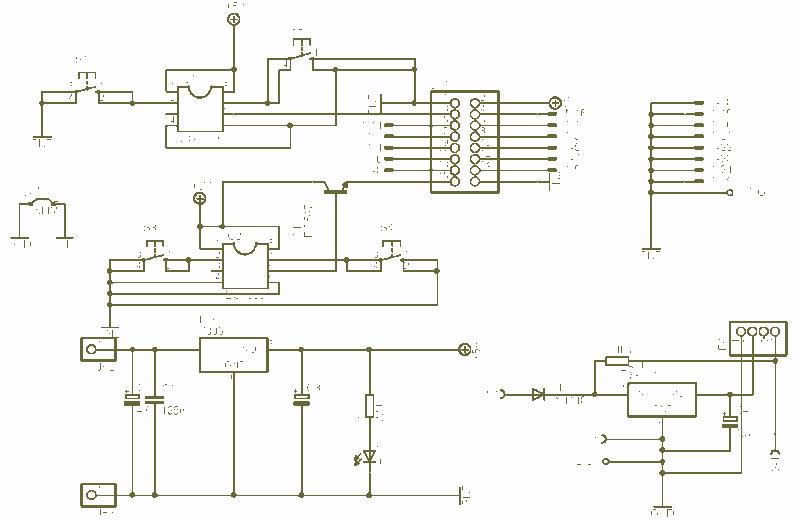
LCD to LPT board
The LCD2LPT with Lirc circuit is the compilation of two circuits found on the net on a single board. The first is LCD to LPT interface and the second an IR remote control interface using http://www.lirc.org program. The main circuit...