


Vending Machine Controller
#vending machine
#timers
#counters
#logic control
#automation
#switches
#beverage dispenser
#control system
#sequential logic
#state machine
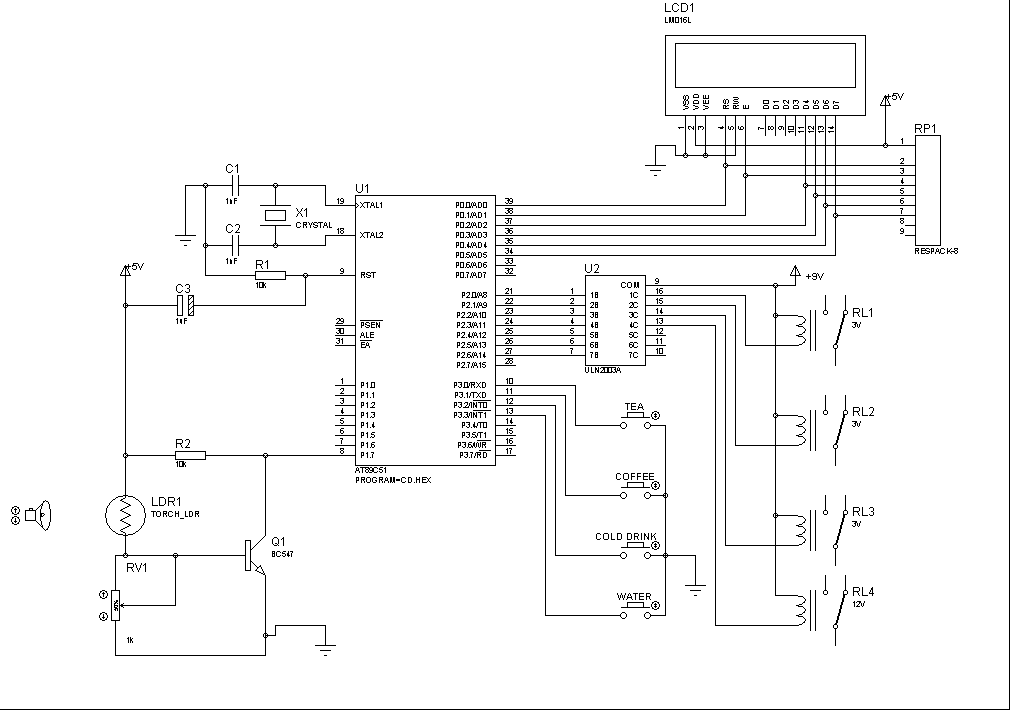
Description: Average vending machines are commonly found at railway stations, airports, fast-food restaurants, and even within companies. When a switch is pressed, the machine dispenses a cup of the selected beverage. Although this process appears straightforward, it involves complex logic, utilizing twelve precision timers and four counters, in addition to physical components such as displays, solenoids, and motors to deliver water and pre-mixed tea, coffee, or soup powder in precise quantities and sequences for optimal taste. This operation is made feasible through the use of microcontrollers, which provide compact size, enhanced reliability, reduced costs, and multiple functionalities. The tea, coffee, and soup vending machine controller employs the Freescale AT89S52 microcontroller chip, known for its programmability and user-friendly interface. Users can adjust the beverage quantity via a button switch located on the front panel according to their preferences, allowing for the filling of cups of any size at any time. The machine requires the insertion of a 10 RS coin to operate. While humans can easily determine the authenticity of a coin through various sensory cues, vending machines must employ a cost-effective method to verify whether a coin is genuine.
The vending machine circuit utilizes a microcontroller, specifically the Freescale AT89S52, which serves as the central processing unit for managing the entire vending operation. The microcontroller interfaces with multiple components: precision timers for timing control, counters for tracking the number of coins inserted, and various sensors for detecting the presence and authenticity of the coins.
The coin detection system typically employs a combination of inductive and capacitive sensing techniques to differentiate between real coins and counterfeit replicas. This system may include a coin acceptor that utilizes a combination of weight sensors, optical sensors, and magnetic sensors to analyze the physical properties of the coin. Upon insertion, the coin is weighed and its dimensions are measured; if the readings match those of the designated 10 RS coin, the machine will allow the operation to proceed.
The solenoid and motor components are responsible for dispensing the selected beverage. The microcontroller activates these components based on the user’s selection and the quantity set through the front panel switch. The timers ensure that the water and beverage powder are dispensed in precise intervals, maintaining the quality and taste of the drink.
The display unit provides real-time feedback to the user, indicating the selected beverage, the amount of beverage being dispensed, and any errors or status messages (e.g., "Insert Coin" or "Out of Service"). This user interface is crucial for enhancing user experience and ensuring smooth operation.
Overall, the design of the vending machine combines sophisticated electronic components and software logic to deliver a reliable and efficient beverage dispensing solution. The integration of the microcontroller allows for programmability and flexibility, making it possible to cater to various user preferences and operational requirements efficiently.average vending machines are commonplace at railway stations, airports, fast-food restaurants and even in companies. Press a switch and the machine delivers a cup of your favorite drink. This looks quite a simple operation but has a very complex logic behind it: It involves use of twelve precision timers and four counters apart from physical devic
es like display, solenoid and motor to deliver water and premixed tea/coffee/soup powder in exact quantity for better taste and in exact sequence. This has become possible because of the use of micro controllers, which allow compact size, higher reliability, lower cost and multiple functionalists.
This tea/coffee/soup vending machine controller uses Free-scale latest AT89S52 micro controller chip. The controller is programmable and user friendly. You can set the quantity of the beverages through a button switch provided on the front panel of the controller as per your requirements.
Thus, cups of any size can be filled at any time. But you can insert a 10RS. Coin in the system then is working. For human beings, recognizing if a coin is real is pretty easy. We can look at the coin, weigh it in our hand, feel the temperature, listen to it hit the floor, etc. If someone handed you a coin replica made of plastic, you would immediately know it is fake even if it looked authentic to your eyes.
If someone handed you a blank steel slug, it would obviously be not a coin because it wouldn`t look like a coin at all. What we take for granted as humans is not so easy for a vending machine. A vending machine needs a relatively inexpensive way to detect if a coin is real.
The vending machine circuit utilizes a microcontroller, specifically the Freescale AT89S52, which serves as the central processing unit for managing the entire vending operation. The microcontroller interfaces with multiple components: precision timers for timing control, counters for tracking the number of coins inserted, and various sensors for detecting the presence and authenticity of the coins.
The coin detection system typically employs a combination of inductive and capacitive sensing techniques to differentiate between real coins and counterfeit replicas. This system may include a coin acceptor that utilizes a combination of weight sensors, optical sensors, and magnetic sensors to analyze the physical properties of the coin. Upon insertion, the coin is weighed and its dimensions are measured; if the readings match those of the designated 10 RS coin, the machine will allow the operation to proceed.
The solenoid and motor components are responsible for dispensing the selected beverage. The microcontroller activates these components based on the user’s selection and the quantity set through the front panel switch. The timers ensure that the water and beverage powder are dispensed in precise intervals, maintaining the quality and taste of the drink.
The display unit provides real-time feedback to the user, indicating the selected beverage, the amount of beverage being dispensed, and any errors or status messages (e.g., "Insert Coin" or "Out of Service"). This user interface is crucial for enhancing user experience and ensuring smooth operation.
Overall, the design of the vending machine combines sophisticated electronic components and software logic to deliver a reliable and efficient beverage dispensing solution. The integration of the microcontroller allows for programmability and flexibility, making it possible to cater to various user preferences and operational requirements efficiently.average vending machines are commonplace at railway stations, airports, fast-food restaurants and even in companies. Press a switch and the machine delivers a cup of your favorite drink. This looks quite a simple operation but has a very complex logic behind it: It involves use of twelve precision timers and four counters apart from physical devic
es like display, solenoid and motor to deliver water and premixed tea/coffee/soup powder in exact quantity for better taste and in exact sequence. This has become possible because of the use of micro controllers, which allow compact size, higher reliability, lower cost and multiple functionalists.
This tea/coffee/soup vending machine controller uses Free-scale latest AT89S52 micro controller chip. The controller is programmable and user friendly. You can set the quantity of the beverages through a button switch provided on the front panel of the controller as per your requirements.
Thus, cups of any size can be filled at any time. But you can insert a 10RS. Coin in the system then is working. For human beings, recognizing if a coin is real is pretty easy. We can look at the coin, weigh it in our hand, feel the temperature, listen to it hit the floor, etc. If someone handed you a coin replica made of plastic, you would immediately know it is fake even if it looked authentic to your eyes.
If someone handed you a blank steel slug, it would obviously be not a coin because it wouldn`t look like a coin at all. What we take for granted as humans is not so easy for a vending machine. A vending machine needs a relatively inexpensive way to detect if a coin is real.
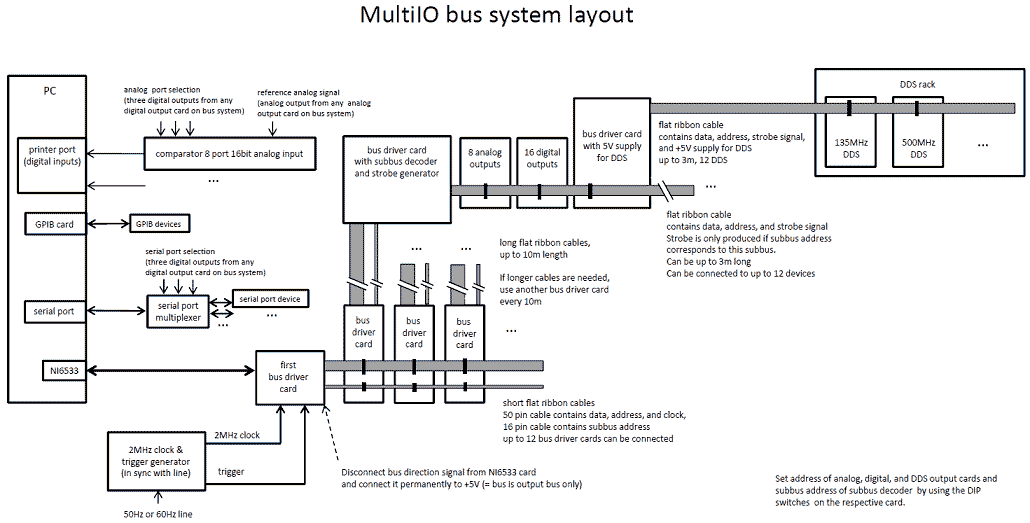
Control System for Cold Atom Experiments
We have developed a powerful yet inexpensive and easy to construct experiment control system. The construction of the system together with the control software is described here. All circuits and software are free to download and use for nonprofit. The...
Process-Control
The Measured Value and the Setpoint are two inputs to a control system. The Measured Value is the amplified input from a transducer or sensor that monitors a parameter requiring control, such as pressure or temperature. The Setpoint is the...
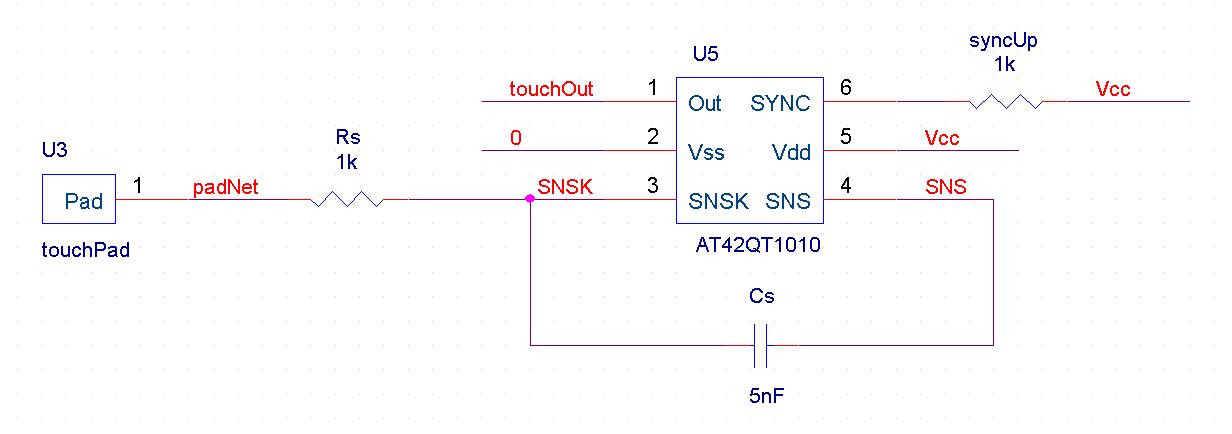
automatic pet feeder
An automatic feeder dispenses food based on the activation of a series of buttons, which interface with a system controller and a food dispenser. The system is designed for intelligent processing of inputs and outputs, allowing dynamic configuration of button...
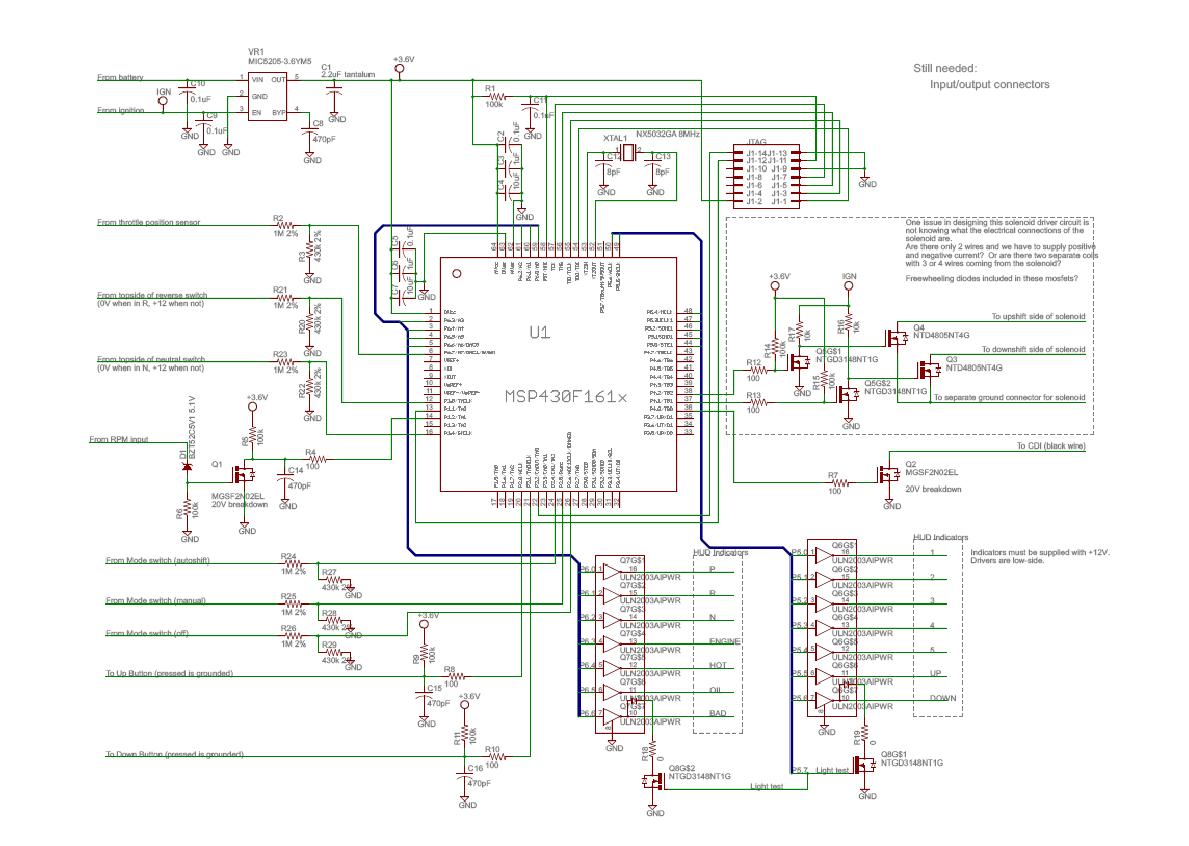
Electrical_Subsystem
The following data and mapping pertain to the 2-D shift mapping algorithm that the controller will utilize to determine when and if a shift should occur. The solid lines on the graph indicate up-shift boundaries, while the dashed lines represent...

Objects in Flux
The Open Source Automation project is a free automation software that operates on Windows and does not require programming for setup. It features a user-friendly graphical interface and includes unique functionalities that are not typically found in high-end security and...
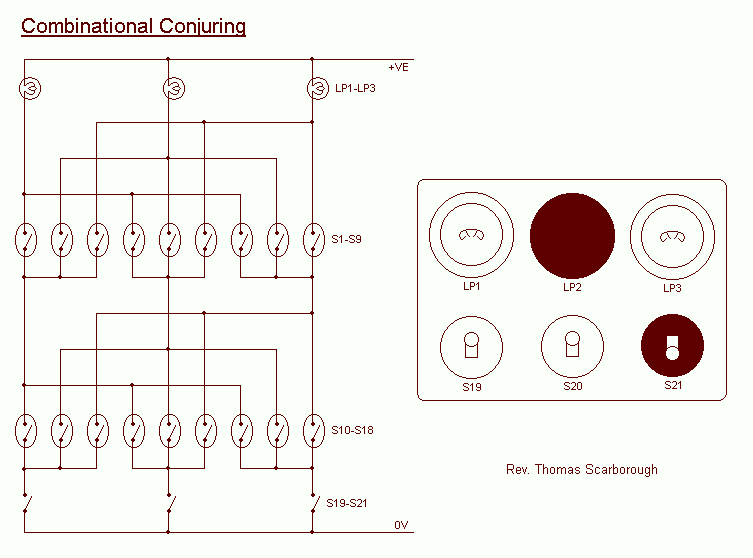
Combinational Conjuring Trick
The simple circuit of Fig.1 emulates a similar conjuring trick which sells for hundreds of Pounds. The trick seems to do the almost-impossible from an electronic point of view, let alone from the point of view of common sense. It...
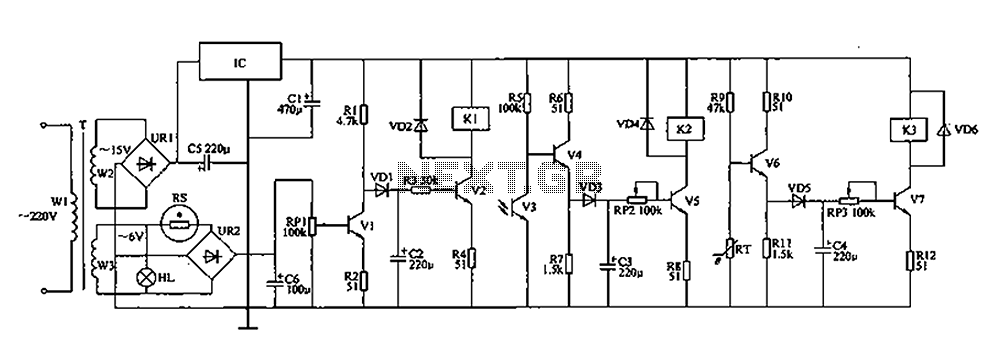
Coop automatic controller circuit diagram
The automatic controller for a chicken coop is designed to automatically regulate light, temperature, and humidity, thereby enhancing egg production and survival rates of chickens. This device is intended for specialized poultry households in rural areas. The circuit operates through...
Combinational Conjuring Trick
The simple circuit of Fig.1 emulates a similar conjuring trick which sells for hundreds of Pounds. The trick seems to do the almost-impossible from an electronic point of view, let alone from the point of view of common sense. It...
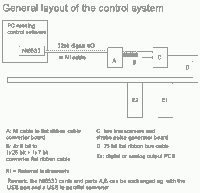
Cold Atom Control System for PC
We have developed a powerful yet inexpensive and easy to construct experiment control system. The construction of the system together with the control software is described here. All circuits and software are free to download and use for nonprofit. The...