


joule savercircuit
#joule saver
#energy efficiency
#power management
#circuit design
#electronics
#energy conservation
#power saving
#electrical engineering
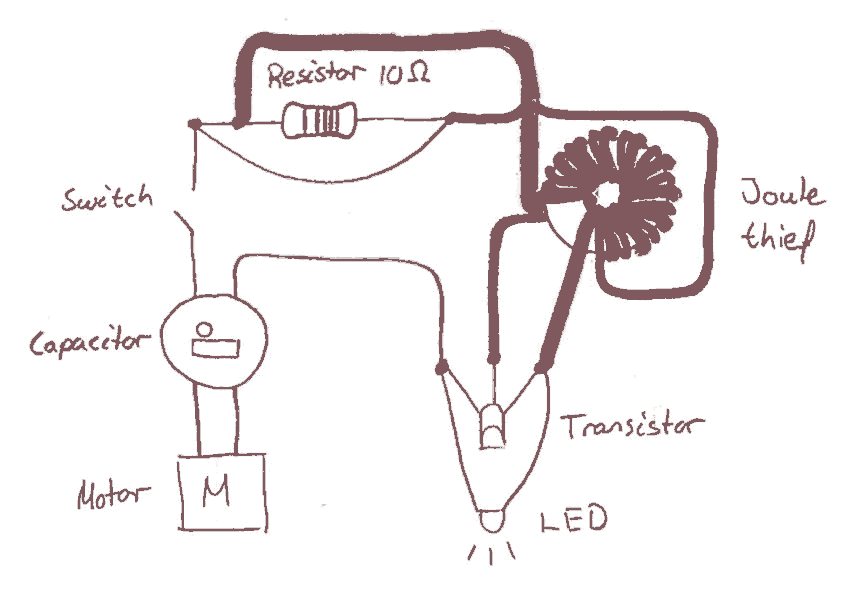
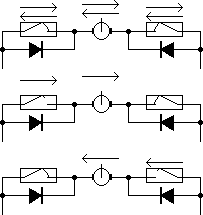
Description: Early in the electronics design process, the decision was made to implement a joule saver in the circuit. The intention of using a joule saver is to maintain the LED light illumination even after the handle is no longer being turned. Consequently, a capacitor has been incorporated into the circuit.
The circuit design incorporates a joule saver mechanism aimed at enhancing the operational efficiency of the LED lighting system. The primary component, a capacitor, serves as an energy storage element that captures excess energy generated while the handle is being turned. This stored energy can then be released to power the LED light, ensuring it remains illuminated for a brief period after the handle stops turning.
In this configuration, the capacitor is connected in parallel with the LED. When the handle is turned, the dynamo generates electrical energy, which charges the capacitor. The charging process continues until the handle is released, at which point the capacitor discharges its stored energy to the LED. This results in a sustained light output, providing a visual indication even after the mechanical input has ceased.
To optimize performance, it is essential to select a capacitor with an appropriate capacitance value, taking into account the LED's voltage and current requirements. Additionally, a diode may be included in the circuit to prevent backflow of current, ensuring that the capacitor only discharges to the LED and not back to the power source.
The overall schematic should include the dynamo, a switch (if necessary), the capacitor, the LED, and the diode, clearly indicating the connections and polarity where applicable. This design not only improves user experience by extending the LED's illumination time but also contributes to energy efficiency by utilizing stored energy effectively.Already early in the process regarding the electronics we thought it could be useful to implement a joule saverin thecircuit. The intention using a joule saver is to keep the LED light even after stopping turning the handle. Therefore we chosen to incorporate a capacitor in the circuit.
The circuit design incorporates a joule saver mechanism aimed at enhancing the operational efficiency of the LED lighting system. The primary component, a capacitor, serves as an energy storage element that captures excess energy generated while the handle is being turned. This stored energy can then be released to power the LED light, ensuring it remains illuminated for a brief period after the handle stops turning.
In this configuration, the capacitor is connected in parallel with the LED. When the handle is turned, the dynamo generates electrical energy, which charges the capacitor. The charging process continues until the handle is released, at which point the capacitor discharges its stored energy to the LED. This results in a sustained light output, providing a visual indication even after the mechanical input has ceased.
To optimize performance, it is essential to select a capacitor with an appropriate capacitance value, taking into account the LED's voltage and current requirements. Additionally, a diode may be included in the circuit to prevent backflow of current, ensuring that the capacitor only discharges to the LED and not back to the power source.
The overall schematic should include the dynamo, a switch (if necessary), the capacitor, the LED, and the diode, clearly indicating the connections and polarity where applicable. This design not only improves user experience by extending the LED's illumination time but also contributes to energy efficiency by utilizing stored energy effectively.Already early in the process regarding the electronics we thought it could be useful to implement a joule saverin thecircuit. The intention using a joule saver is to keep the LED light even after stopping turning the handle. Therefore we chosen to incorporate a capacitor in the circuit.
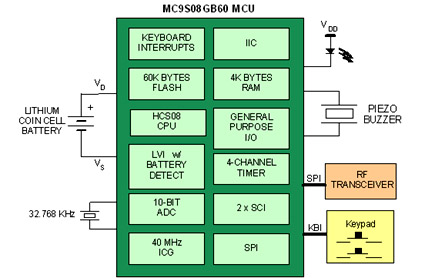
How to extend the battery life of your microcontroller based design
Battery-powered devices, such as electric toothbrushes, shavers, cell phones, PDAs, MP3 players, and remote controls, are integral to daily life. Consequently, power management has become a critical consideration for embedded designers. Microcontrollers (MCUs) provide various methods for managing power requirements...
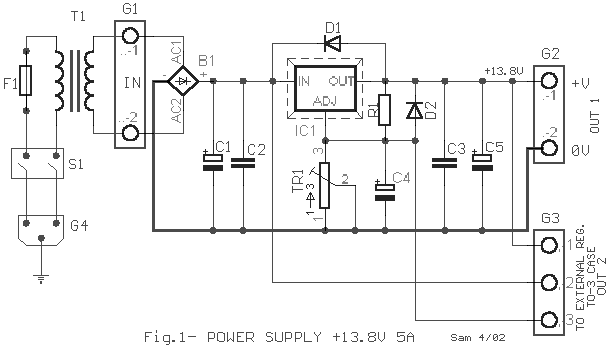
Electronics Projects Circuits
Over 1400 top electronics projects and electronic circuits with photos, datasheets, and easy-to-read schematics, along with explanations of how they work and how to build them.
The collection comprises a vast array of electronics projects suitable for enthusiasts and professionals alike....
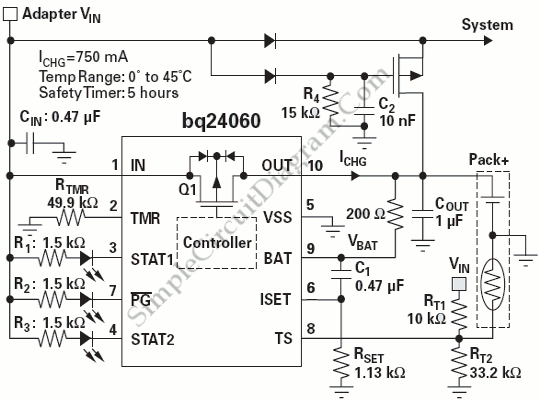
Power Path Management Battery Charger
Powering the system is required by many applications while charging the battery simultaneously. Interaction between the system and charger may result in a...
Power management in electronic systems is critical, particularly in applications that necessitate simultaneous operation and battery charging. This...
Electronic Projects
This program includes circuit design CAD, simulation, and auto-routing PC layout. PSPICE is also utilized at Unisys, which offers more capabilities but costs six times as much and requires annual renewal. With these requirements and others in mind, a variation...
Control a processor`s power supply in real time
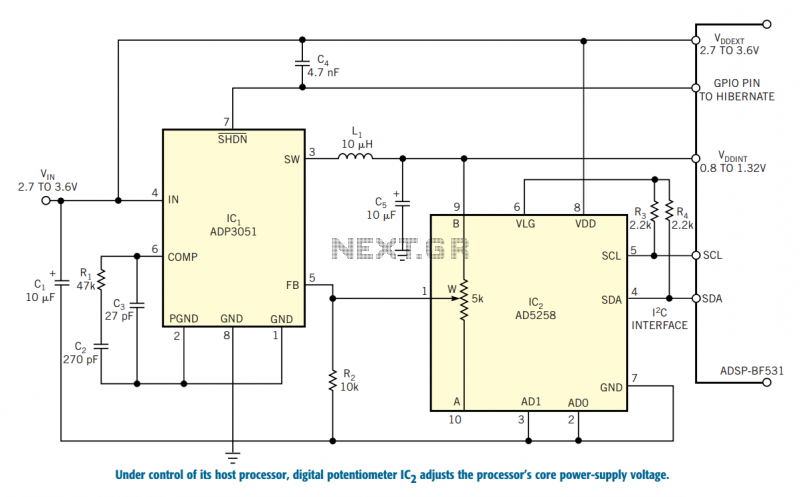
In battery-powered applications in which power management is key, a microprocessor may adjust its core voltage corresponding to an increase or a decrease in clock speed, allowing full processing power when necessary but not wasting excess power when idle. The...
A Power Management Interface Circuit For Telecom Hot Swap With Local Dc/dc Conve
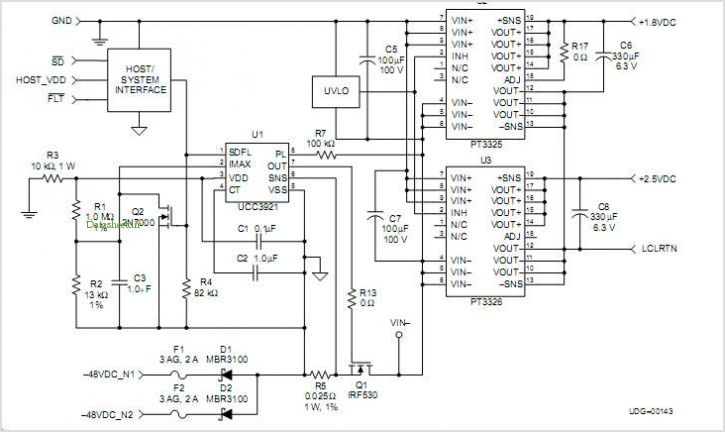
New cellular phones have incorporated high-resolution cameras that require bright illumination of the surrounding area to achieve high-quality pictures. Traditional xenon-filled photo flashes cannot be used due to the limited space available in cellular phone cameras. Instead, design engineers utilize...
Computer Off Switch
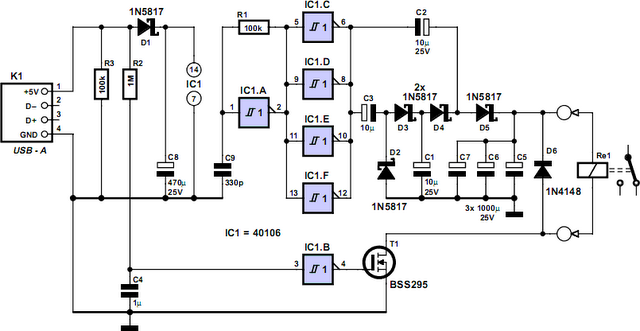
How often does it happen that a user shuts down Windows and then forgets to turn off the computer? This circuit automates that process. After Windows is shut down, a click occurs a second later, disconnecting the PC from the...
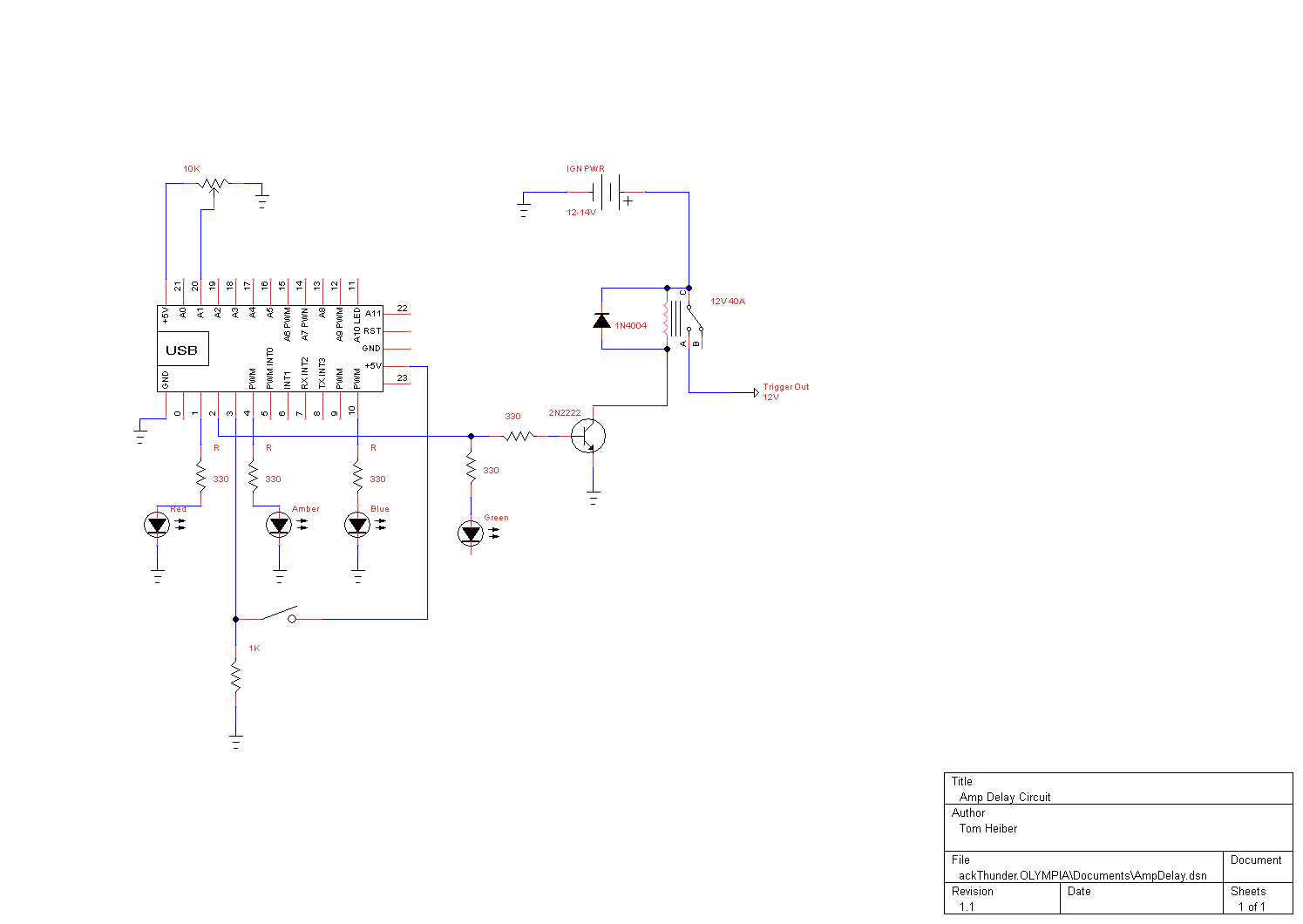
smart amp delay
This system is designed as a Windows service that detects various power events, including Suspend, Hibernate, Reboot, and Shutdown. It can send appropriate responses to a control circuit, specifically a Heartbeat or Kill signal. The trigger mechanism is also regulated...
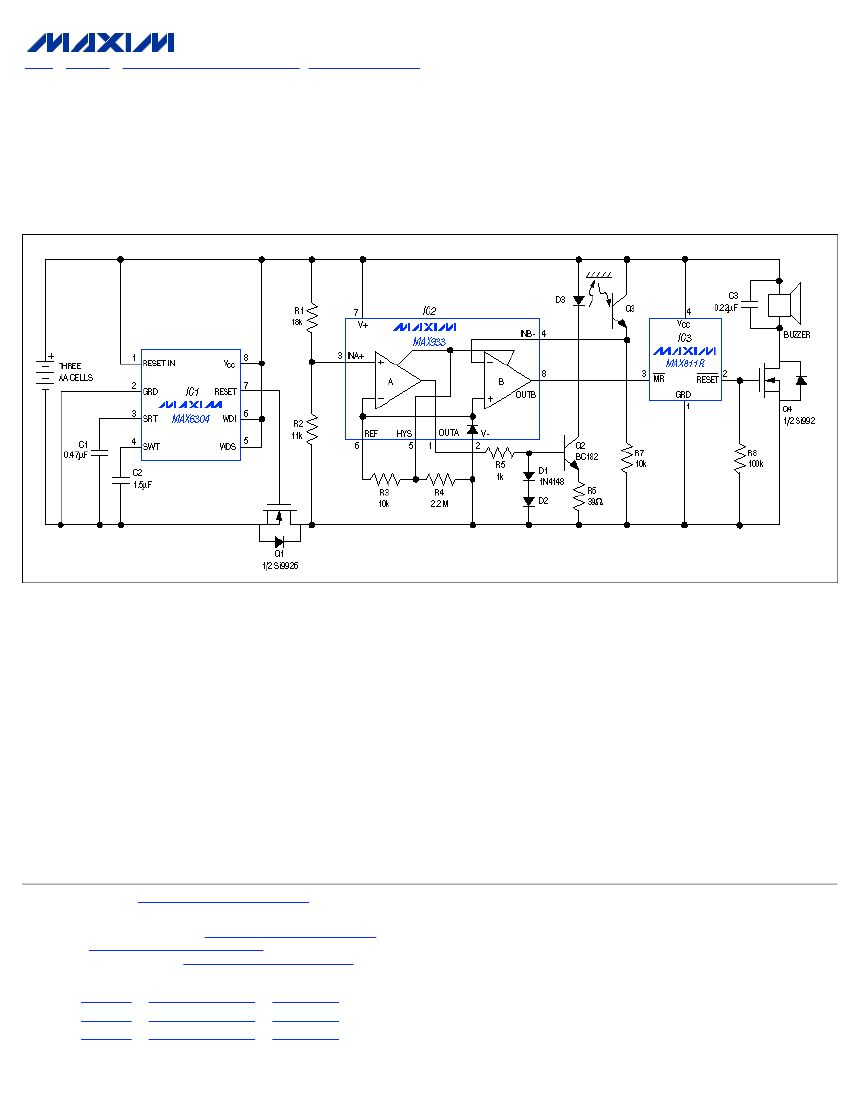
Pulsed Sensor Extends Battery Life
The following demonstrates a power-saving circuit that pulses a sensor for 1 second every 30 minutes. It is designed to monitor the levels of salt. The sensor shown is an optocoupler with an infrared-emitting diode, intended to monitor the level...