


Railway Points Sequencer
#model rail
#points sequencer
#train controller
#actuators
#ac operation
#power management
#railway layout
#hobby electronics
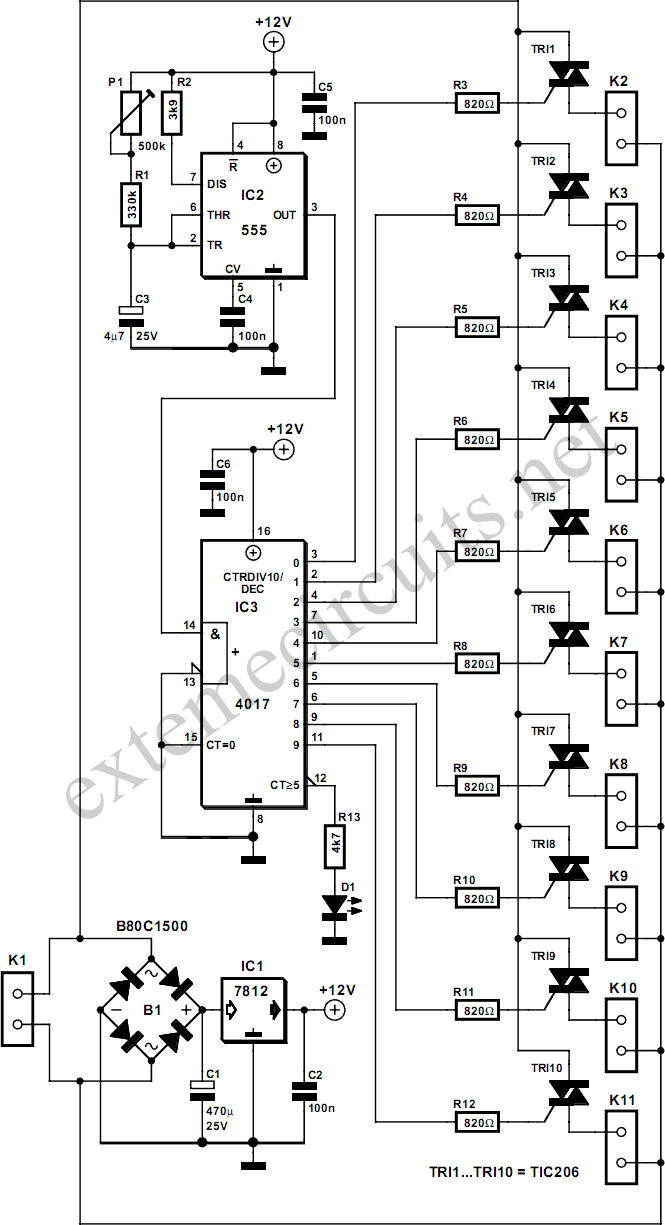
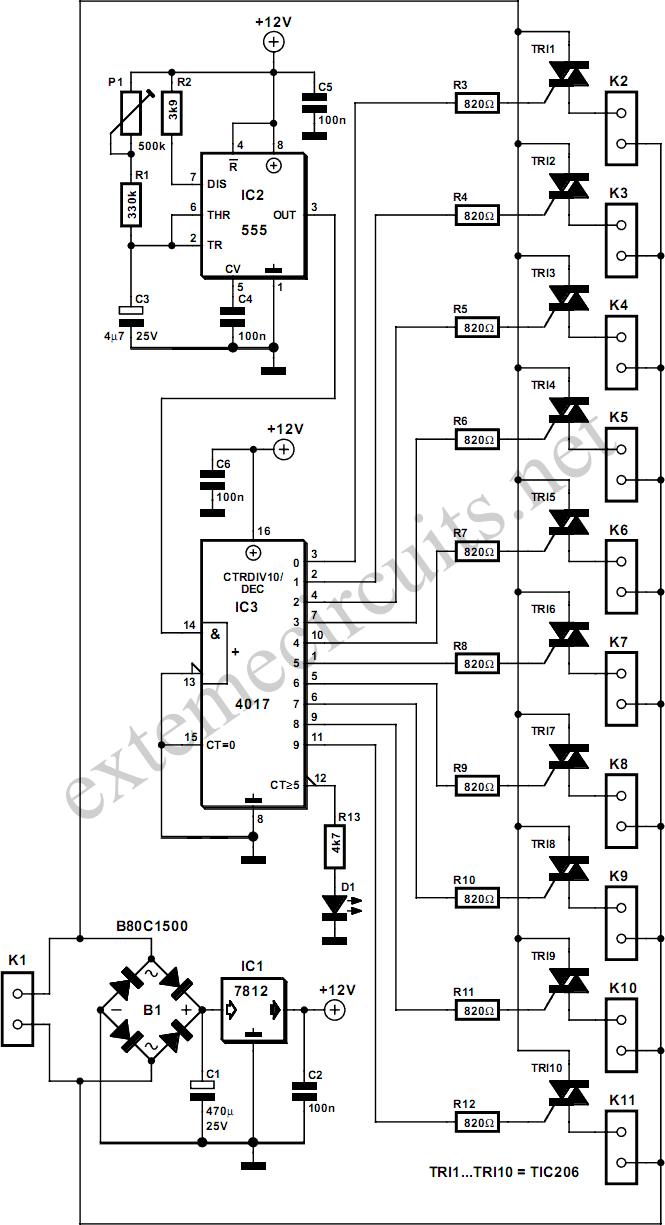
Description: Dedicated model rail enthusiasts using sophisticated train and points controllers often encounter the issue that as their layouts expand and become more intricate, the transformer supplying power to the points does not provide sufficient current to switch multiple points simultaneously. The actuators in the points are designed for AC operation, so rectifying the supply and adding reservoir capacitors does not help. The coils can overheat and burn out if they become jammed during their travel, as AC operation assists in overcoming friction in the mechanism. The circuit presented here addresses this issue by employing a sequencer to ensure that only one points actuator can be active at any given time. During operation, the controller will switch all the points on one line simultaneously, but the other connection to each coil is linked to the sequencer unit. This circuit permits current to flow through only one coil at a time. The sequencer circuit comprises a 555 timer configured as an astable multivibrator, which clocks a 4017 Johnson counter. The ten outputs of the counter are utilized to switch ten triacs in sequence, sufficient for ten sets of points. P1 adjusts the oscillator frequency of the 555 timer, allowing for the customization of each time interval of the sequencer to be long enough for the points to switch. The switching time varies based on the type of points but typically ranges between 1 second and 1.5 seconds. Any points that jam during switching emit a characteristic humming noise in sync with the switching frequency, making them easier to identify. The eleventh output of the 4017 can be connected to an LED (along with a series resistor), which will flash to provide a visual indication of the sequencer's operation. Power for the circuit is supplied by 15 V AC from the points transformer. The B80C1500 bridge rectifier (80 Vpiv, 1.5 A) and regulator IC1 produce a stabilized 12 V for the circuit, with current consumption being only a few milliamps.
This circuit design is particularly beneficial for model railway applications where multiple point switches are required to operate without overloading the power supply. The use of a sequencer ensures that the actuators are not subjected to high inrush currents that could lead to overheating and damage. The 555 timer, functioning as an astable multivibrator, generates a square wave signal that controls the timing of the sequencer, allowing for precise management of the switching sequence.
The 4017 Johnson counter, which has ten outputs, sequentially activates the triacs that control the power to each point actuator. This sequential activation prevents multiple actuators from being energized simultaneously, thereby reducing the risk of transformer overload and ensuring that the points operate smoothly. The adjustable potentiometer (P1) allows the user to fine-tune the switching interval based on the specific characteristics of the point actuators being used, which is crucial for optimizing performance.
The visual indication provided by the LED not only serves as a functional element but also enhances the user experience by allowing operators to monitor the status of the sequencer at a glance. The inclusion of a bridge rectifier and voltage regulator ensures that the circuit operates reliably within specified voltage limits, contributing to the overall robustness of the design.
In summary, this sequencer circuit is an effective solution for managing multiple point switches in model railway systems, allowing for efficient operation while safeguarding against potential damage to the actuators and power supply.Dedicated model rail enthusiasts using sophisticated train and points controllers often have the problem that as their layouts get bigger and more complex, the transformer supplying power to the points does not have enough current to switch several points at the same time. The actuators in the points are designed for ac operation so it doesn`t hel p by rectifying the supply and adding reservoir capacitors, the coils can overheat and burn out if they get jammed during their travel (ac operation actually helps to overcome friction in the mechanism). The circuit shown here solves this problem by using a sequencer to ensure than only one points actuator can be active at any point in time.
During operation the controller will switch all the points on one line at the same time as usual, but the other connection to each coil is connected to the sequencer unit. This circuit will only allow current to‚ow through one coil at a time. The sequencer circuit consists of a 555 timer congured as an astable multivibrator clocking a 4017 Johnson counter where the ten outputs are used to switch ten triacs in sequence, enough for ten sets of points.
P1 alters the oscillator frequency of the 555 timer and can be adjusted so that each time interval of the sequencer is long enough to allow the points to switch. The switching time varies depending on the type of points but is typically between 1 s and 1. 5 s. Any points that jam during switching give out a characteristic humming noise in time to the switching frequency so it makes them easier tond.
The eleventh output of the 4017 can be connected to an LED (together with a series resistor). This will flash to give a visual indication of the sequencers operation. Power for the circuit is provided by 15 V ac from the points transformer. The B80C1500 bridge rectifier (80 Vpiv, 1. 5 A) and regulator IC1 produce a stabilised 12 V for the circuit. Current consumption is only a few milliamps.
This circuit design is particularly beneficial for model railway applications where multiple point switches are required to operate without overloading the power supply. The use of a sequencer ensures that the actuators are not subjected to high inrush currents that could lead to overheating and damage. The 555 timer, functioning as an astable multivibrator, generates a square wave signal that controls the timing of the sequencer, allowing for precise management of the switching sequence.
The 4017 Johnson counter, which has ten outputs, sequentially activates the triacs that control the power to each point actuator. This sequential activation prevents multiple actuators from being energized simultaneously, thereby reducing the risk of transformer overload and ensuring that the points operate smoothly. The adjustable potentiometer (P1) allows the user to fine-tune the switching interval based on the specific characteristics of the point actuators being used, which is crucial for optimizing performance.
The visual indication provided by the LED not only serves as a functional element but also enhances the user experience by allowing operators to monitor the status of the sequencer at a glance. The inclusion of a bridge rectifier and voltage regulator ensures that the circuit operates reliably within specified voltage limits, contributing to the overall robustness of the design.
In summary, this sequencer circuit is an effective solution for managing multiple point switches in model railway systems, allowing for efficient operation while safeguarding against potential damage to the actuators and power supply.Dedicated model rail enthusiasts using sophisticated train and points controllers often have the problem that as their layouts get bigger and more complex, the transformer supplying power to the points does not have enough current to switch several points at the same time. The actuators in the points are designed for ac operation so it doesn`t hel p by rectifying the supply and adding reservoir capacitors, the coils can overheat and burn out if they get jammed during their travel (ac operation actually helps to overcome friction in the mechanism). The circuit shown here solves this problem by using a sequencer to ensure than only one points actuator can be active at any point in time.
During operation the controller will switch all the points on one line at the same time as usual, but the other connection to each coil is connected to the sequencer unit. This circuit will only allow current to‚ow through one coil at a time. The sequencer circuit consists of a 555 timer congured as an astable multivibrator clocking a 4017 Johnson counter where the ten outputs are used to switch ten triacs in sequence, enough for ten sets of points.
P1 alters the oscillator frequency of the 555 timer and can be adjusted so that each time interval of the sequencer is long enough to allow the points to switch. The switching time varies depending on the type of points but is typically between 1 s and 1. 5 s. Any points that jam during switching give out a characteristic humming noise in time to the switching frequency so it makes them easier tond.
The eleventh output of the 4017 can be connected to an LED (together with a series resistor). This will flash to give a visual indication of the sequencers operation. Power for the circuit is provided by 15 V ac from the points transformer. The B80C1500 bridge rectifier (80 Vpiv, 1. 5 A) and regulator IC1 produce a stabilised 12 V for the circuit. Current consumption is only a few milliamps.
Mains Manager
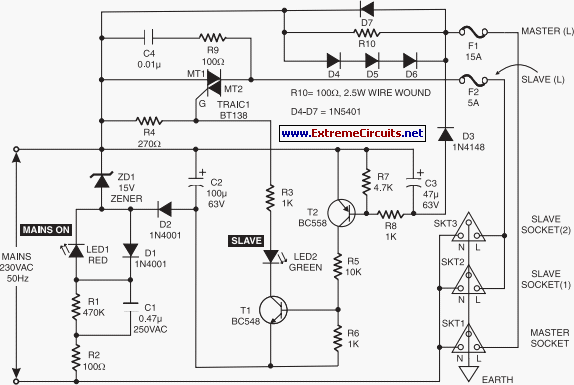
It is common to forget to turn off peripherals such as monitors, scanners, and printers when shutting down a PC. Typically, these devices are connected to a four-way trailing socket, which is plugged into a wall outlet. If this outlet...
Power Path Management Battery Charger
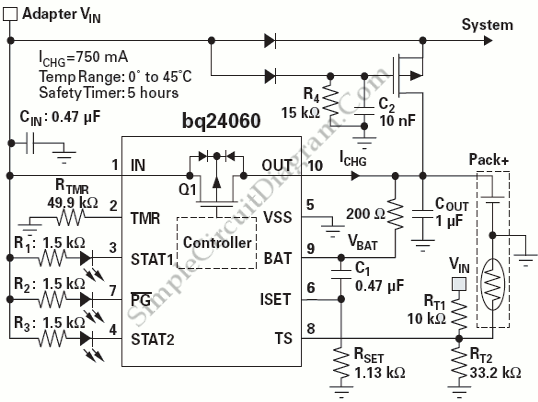
Powering the system is required by many applications while charging the battery simultaneously. Interaction between the system and charger may result in a...
Power management in electronic systems is critical, particularly in applications that necessitate simultaneous operation and battery charging. This...
Control a processor`s power supply in real time
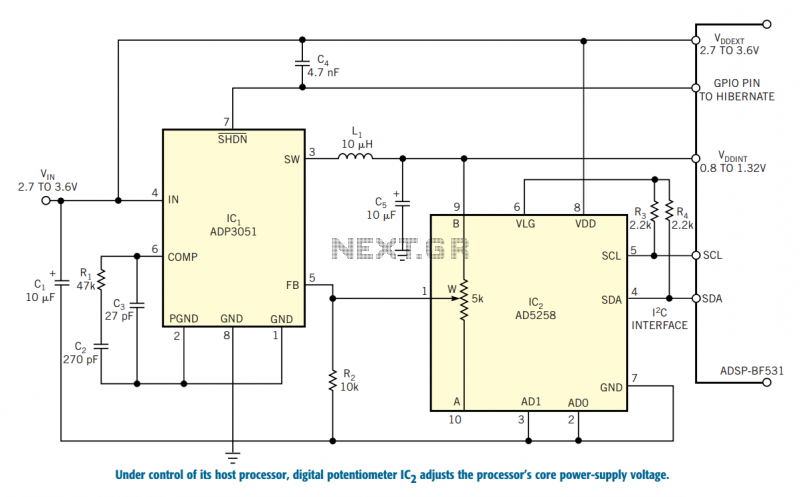
In battery-powered applications in which power management is key, a microprocessor may adjust its core voltage corresponding to an increase or a decrease in clock speed, allowing full processing power when necessary but not wasting excess power when idle. The...
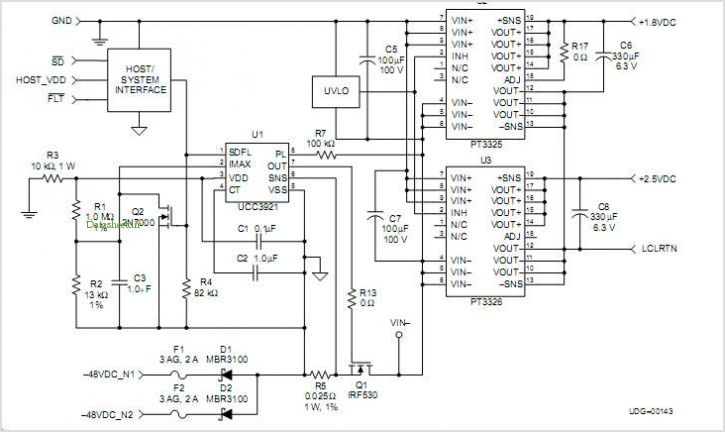
A Power Management Interface Circuit For Telecom Hot Swap With Local Dc/dc Conve
New cellular phones have incorporated high-resolution cameras that require bright illumination of the surrounding area to achieve high-quality pictures. Traditional xenon-filled photo flashes cannot be used due to the limited space available in cellular phone cameras. Instead, design engineers utilize...
Railway Points Sequencer
Dedicated model rail enthusiasts using sophisticated train and point controllers often encounter the issue that as their layouts expand and become more complex, the transformer supplying power to the points does not provide sufficient current to switch multiple points simultaneously....
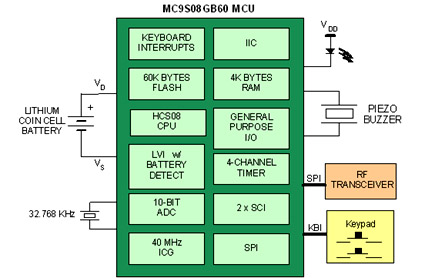
How to extend the battery life of your microcontroller based design
Battery-powered devices, such as electric toothbrushes, shavers, cell phones, PDAs, MP3 players, and remote controls, are integral to daily life. Consequently, power management has become a critical consideration for embedded designers. Microcontrollers (MCUs) provide various methods for managing power requirements...
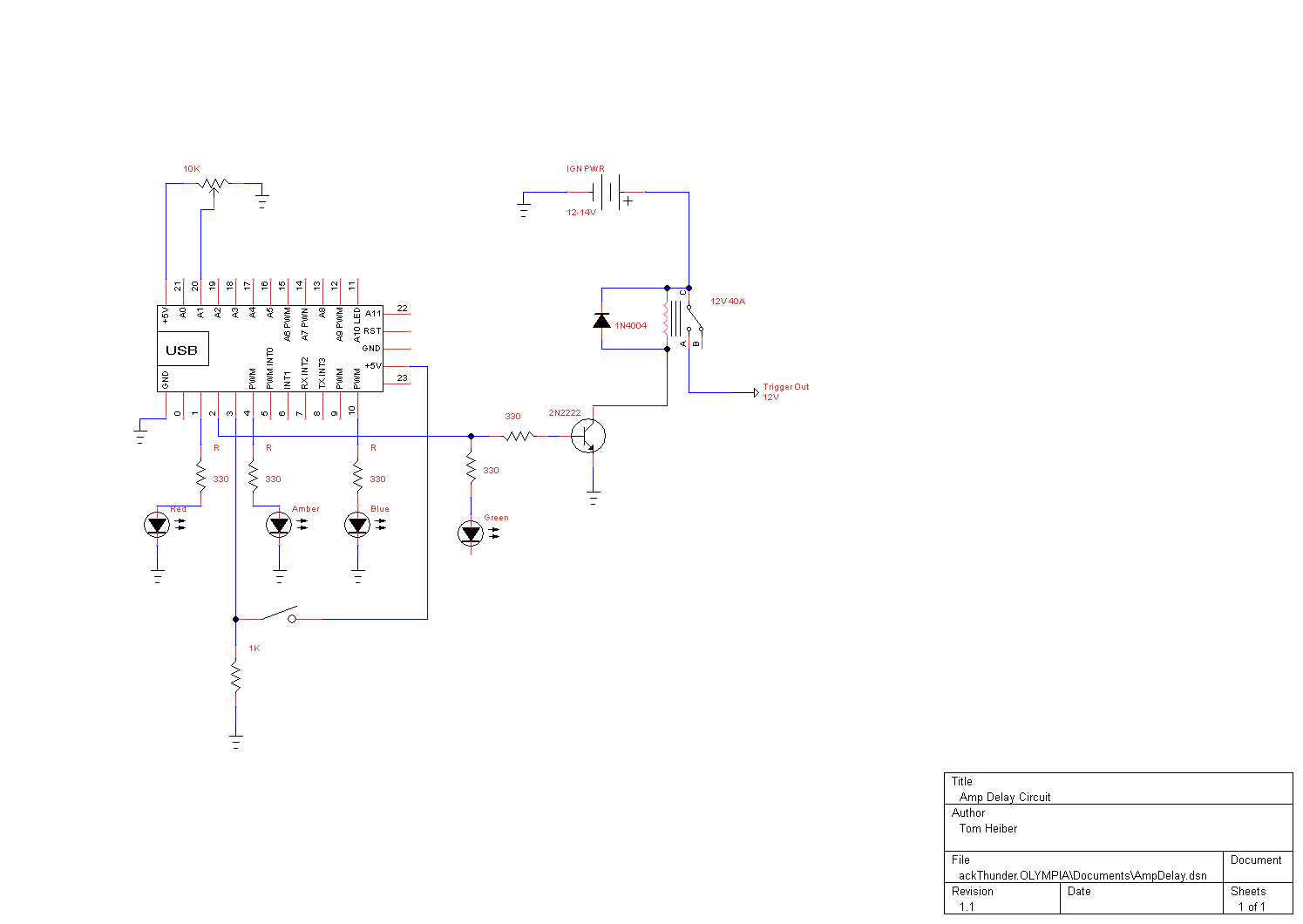
smart amp delay
This system is designed as a Windows service that detects various power events, including Suspend, Hibernate, Reboot, and Shutdown. It can send appropriate responses to a control circuit, specifically a Heartbeat or Kill signal. The trigger mechanism is also regulated...
Computer Off Switch
How often does it happen that a user shuts down Windows and then forgets to turn off the computer? This circuit automates that process. After Windows is shut down, a click occurs a second later, disconnecting the PC from the...
Power Path Management Battery Charger
Powering the system is required by many applications while charging the battery simultaneously. Interaction between the system and charger may result in a...
Power management in electronic systems is critical, particularly in applications that necessitate simultaneous operation and battery charging. This...