


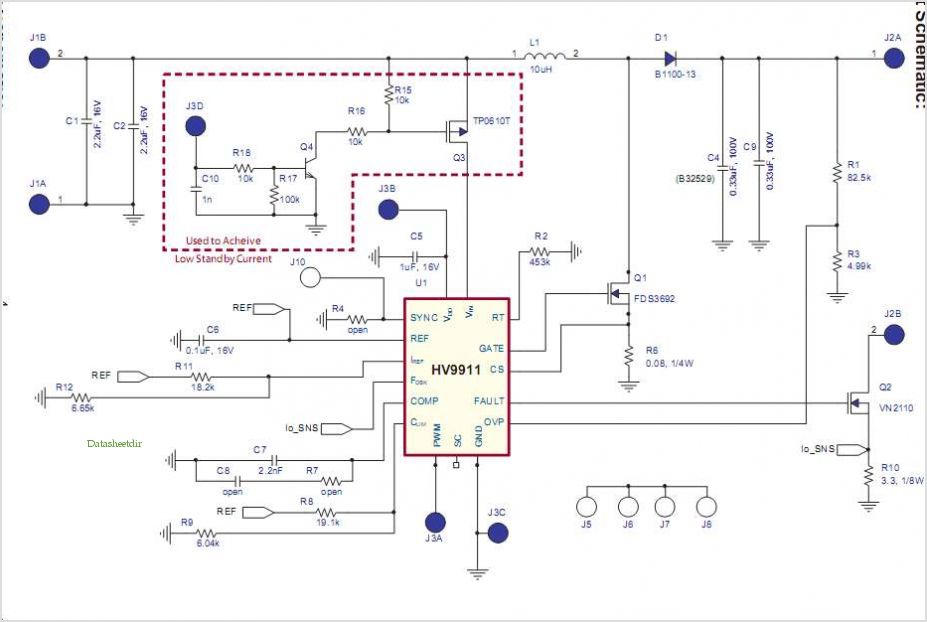
Boost Led Driver With 1:3000 Dimming Ratio And Excellent Current Regulation
#LED driver
#current regulation
#dimming
#BQ2000
#battery charging
#NiCd
#NiMH
#Li-Ion
#monolithic IC
#programmable
Description: The BQ2000 is a programmable, monolithic integrated circuit designed for fast-charge management of nickel cadmium (NiCd), nickel metal-hydride (NiMH), or lithium-ion (Li-Ion) batteries in single or multi-chemistry applications. The BQ2000 detects the battery chemistry and employs optimal charging and termination algorithms. This process prevents undesirable undercharging or overcharging conditions and allows for accurate and safe termination of the fast charge. Depending on the battery chemistry, the BQ2000 offers various charge termination criteria, including peak voltage, PVD (for NiCd and NiMH), minimum charging current (for Li-Ion), maximum temperature, and maximum charge time. For safety, the BQ2000 inhibits fast charging until the battery voltage and temperature are within user-defined limits. If the battery voltage falls below the low-voltage threshold, the BQ2000 engages in trickle charging to condition the battery. For NiMH batteries, an optional top-off charge is provided to maximize battery capacity. The integrated high-frequency comparator enables the BQ2000 to serve as the foundation for a complete, high-efficiency power-conversion circuit suitable for both nickel-based and lithium-based chemistries.
The BQ2000 integrated circuit is a versatile solution for battery management systems, particularly in applications requiring efficient charging strategies for various battery chemistries. Its ability to detect the specific chemistry of the battery allows it to implement tailored charging algorithms that optimize performance and longevity. The peak voltage detection and PVD (Peak Voltage Detection) strategies for NiCd and NiMH batteries ensure that the charging process is halted at the precise moment the battery reaches its maximum safe voltage, thus preventing damage. For lithium-ion batteries, the minimum charging current criterion ensures that the charge is terminated when the battery reaches an adequate state of charge, further enhancing safety.
The temperature monitoring feature is critical in preventing thermal runaway, a common risk in battery charging. By establishing user-defined limits, the BQ2000 can inhibit fast charging until safe conditions are met, thereby enhancing the reliability of the charging process. In scenarios where the battery voltage drops below acceptable levels, the BQ2000’s trickle-charge capability is vital for reviving deeply discharged batteries, ensuring they are conditioned before re-engaging in standard charging protocols.
The optional top-off charge feature for NiMH batteries is particularly beneficial for applications requiring maximum capacity, as it allows the battery to reach its full potential after standard charging has completed. This feature is particularly useful in consumer electronics where battery life is paramount.
The inclusion of a high-frequency comparator within the BQ2000 enables it to function effectively within a high-efficiency power-conversion circuit. This capability is essential for applications that demand compact and efficient power management solutions, allowing for improved thermal performance and reduced energy losses during the charging process. Overall, the BQ2000 represents a sophisticated approach to battery management, combining advanced charging algorithms with safety features to support a wide range of applications.The BQ2000 is a programmable, monolithic IC for fast-charge management of nickel cadmium (NiCd), nickel metal-hydride (NiMH), or lithium-ion (Li-Ion) batteries in single- or multi-chemistry applications. The BQ2000 detects the battery chemistry and proceeds with the optimal charging and termination algorithms.
This process eliminates undesirable u ndercharged or overcharged conditions and allows accurate and safe termination of fast charge. Depending on the chemistry, the BQ2000 provides a number of charge termination criteria: Peak voltage, PVD (for NiCd and NiMH) Minimum charging current (f or Li-Ion) Maximum temperature Maximum charge time For safety, the BQ2000 inhibits fast charge until the battery voltage and temperature are within user-defined limits. If the battery voltage is below the low-voltage threshold, the BQ2000 uses trickle-charge to condition the battery.
For NiMH batteries, the BQ2000 provides an optional top-off charge to maximize the battery capacity. The integrated high-frequency Comparator allows the BQ2000 to be the basis for a complete, high-efficiency power-conversion circuit for both nickel-based and lithium-based chemistries.
The BQ2000 integrated circuit is a versatile solution for battery management systems, particularly in applications requiring efficient charging strategies for various battery chemistries. Its ability to detect the specific chemistry of the battery allows it to implement tailored charging algorithms that optimize performance and longevity. The peak voltage detection and PVD (Peak Voltage Detection) strategies for NiCd and NiMH batteries ensure that the charging process is halted at the precise moment the battery reaches its maximum safe voltage, thus preventing damage. For lithium-ion batteries, the minimum charging current criterion ensures that the charge is terminated when the battery reaches an adequate state of charge, further enhancing safety.
The temperature monitoring feature is critical in preventing thermal runaway, a common risk in battery charging. By establishing user-defined limits, the BQ2000 can inhibit fast charging until safe conditions are met, thereby enhancing the reliability of the charging process. In scenarios where the battery voltage drops below acceptable levels, the BQ2000’s trickle-charge capability is vital for reviving deeply discharged batteries, ensuring they are conditioned before re-engaging in standard charging protocols.
The optional top-off charge feature for NiMH batteries is particularly beneficial for applications requiring maximum capacity, as it allows the battery to reach its full potential after standard charging has completed. This feature is particularly useful in consumer electronics where battery life is paramount.
The inclusion of a high-frequency comparator within the BQ2000 enables it to function effectively within a high-efficiency power-conversion circuit. This capability is essential for applications that demand compact and efficient power management solutions, allowing for improved thermal performance and reduced energy losses during the charging process. Overall, the BQ2000 represents a sophisticated approach to battery management, combining advanced charging algorithms with safety features to support a wide range of applications.The BQ2000 is a programmable, monolithic IC for fast-charge management of nickel cadmium (NiCd), nickel metal-hydride (NiMH), or lithium-ion (Li-Ion) batteries in single- or multi-chemistry applications. The BQ2000 detects the battery chemistry and proceeds with the optimal charging and termination algorithms.
This process eliminates undesirable u ndercharged or overcharged conditions and allows accurate and safe termination of fast charge. Depending on the chemistry, the BQ2000 provides a number of charge termination criteria: Peak voltage, PVD (for NiCd and NiMH) Minimum charging current (f or Li-Ion) Maximum temperature Maximum charge time For safety, the BQ2000 inhibits fast charge until the battery voltage and temperature are within user-defined limits. If the battery voltage is below the low-voltage threshold, the BQ2000 uses trickle-charge to condition the battery.
For NiMH batteries, the BQ2000 provides an optional top-off charge to maximize the battery capacity. The integrated high-frequency Comparator allows the BQ2000 to be the basis for a complete, high-efficiency power-conversion circuit for both nickel-based and lithium-based chemistries.

Constant Current LED Drive
Most LED driver circuits utilize a series resistor to regulate the current flowing through the LED. This method is optimal for applications that require only a few LEDs. However, for applications involving many LEDs, this approach becomes inefficient, leading to...
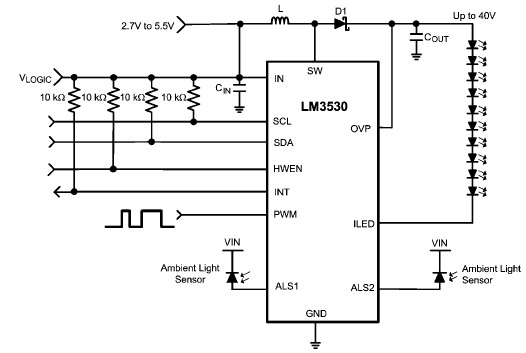
LM3530 white LED driver circuit design electronic project
A simple white LED driver circuit can be designed using the LM3530 high-efficiency white LED driver IC, which features programmable ambient light sensing capability and an I2C compatible interface. The LM3530 LED driver can control up to 11 series white...
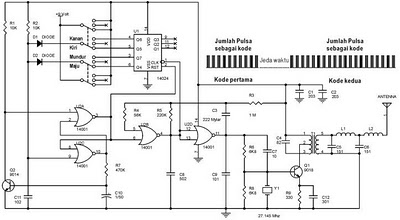
NiCd battery ChargerCircuit With TLC555 IC
The following circuit illustrates a portable NiCd battery charger circuit diagram. The portable battery charger is designed to facilitate the charging of nickel-cadmium batteries.
The portable NiCd battery charger circuit typically consists of several key components, including a transformer, rectifier, voltage...
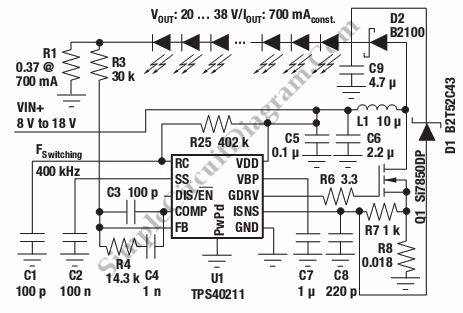
High-Brightness LED-Driver
This is a high-brightness LED driver circuit. To provide a constant-voltage output, DC/DC regulators are typically used. However, a constant-current output is the preferred method for driving LEDs.
The high-brightness LED driver circuit is designed to efficiently manage the power supplied...
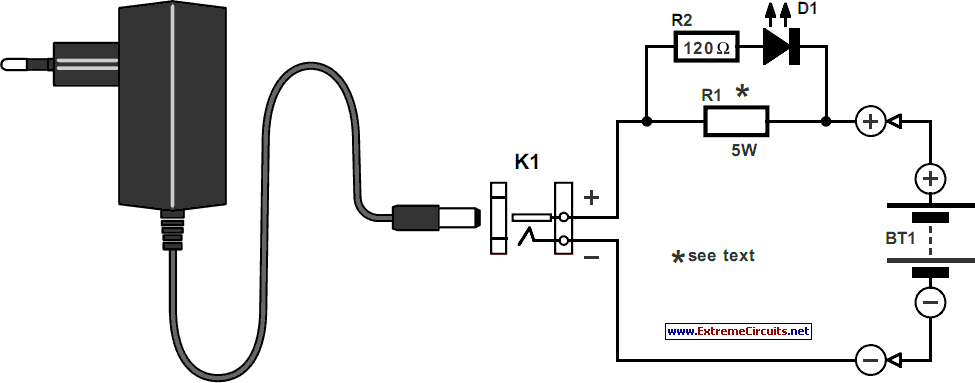
NiCd Battery Charger
The charger design resembles that of many commercially available chargers. It comprises a mains adapter, two resistors, and a light-emitting diode (LED). This type of charger is effective in practical applications. Resistor R1 has dual functions: it establishes the appropriate...
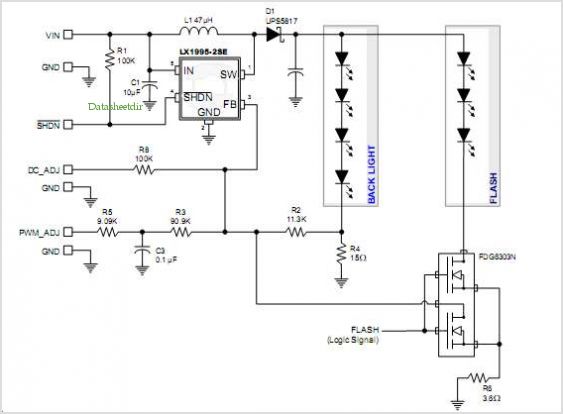
Lx1995 Led Driver: Camera Flash Application
The M-88L70 is a complete DTMF receiver that combines both band-split filter and decoder functions into a single 18-pin DIP or SOIC package. It is manufactured using CMOS process technology, which allows for low power consumption (maximum 18 mW), accurate...
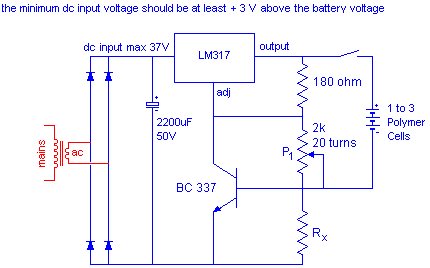
Batteries for Model Aircraft
A new type of NiMH battery known as HeCell has recently been developed, which is claimed to allow higher discharge rates than the conventional ones (about 12 - 16C).
The HeCell NiMH battery represents a significant advancement in battery technology,...
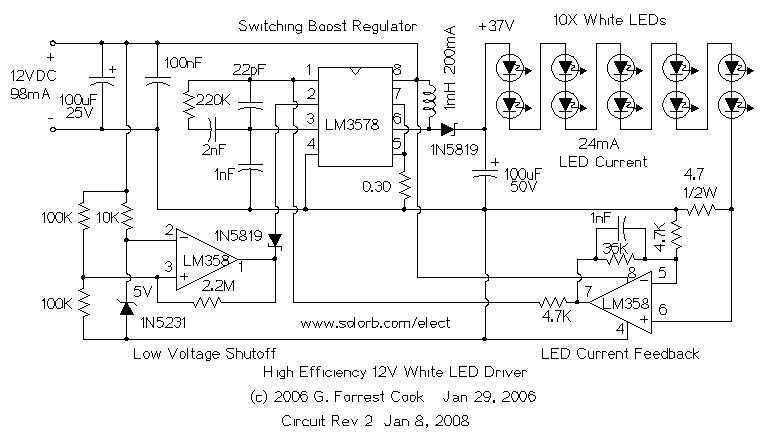
12V White LED Driver
The heart of the circuit is a string of 10 white LEDs. These are wired in series and connected to a current-regulated step-up switching power supply circuit. DC powered LED lighting circuits can vary from the trivial, with a single...
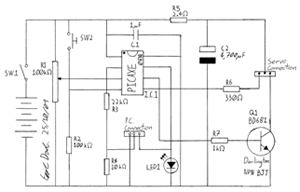
Programmable time-lapse camera controller
This project involves creating a programmable camera controller using basic hand tools and a digital camera. By utilizing components that are commonly found at home, the overall costs can be minimized. A servomotor can be repurposed from a radio-controlled model,...