


Heathkit Groundtrack GR-1290 metal detector schematic diagram
#Heathkit
#Groundtrack GR-1290
#schematic diagram
#coil
#DIY
#electronics
#detection
#15cm coil
#30cm coil
#factory assembled
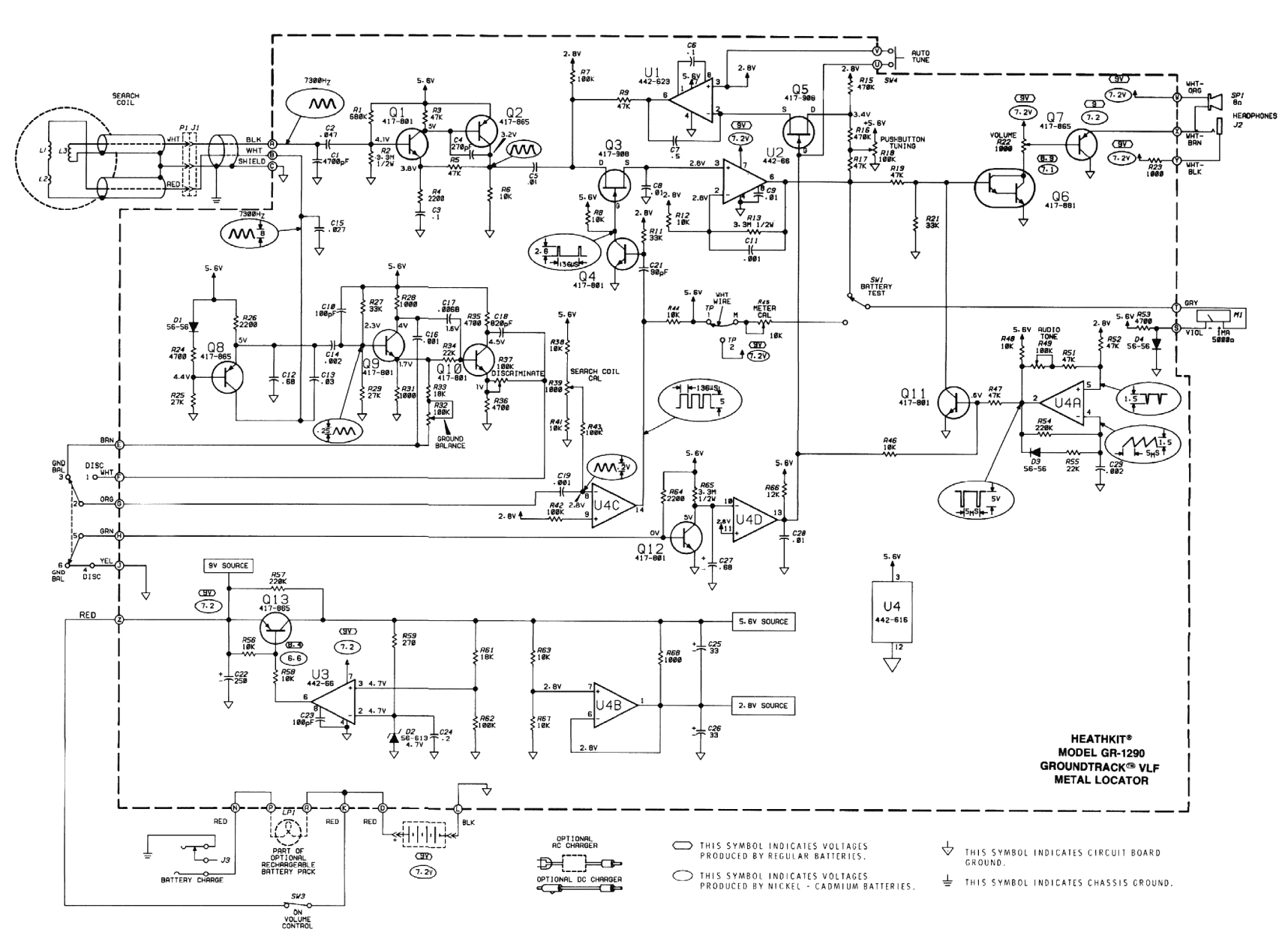
Description: The original coil that came with the Heathkit project was preassembled at the factory. It had a diameter of around 15 cm (6 inches). A larger (30 cm, 12 inches) coil can be made using the following data.
The design of a larger coil, specifically one with a diameter of 30 cm (12 inches), requires careful consideration of various parameters to ensure optimal performance. The coil's dimensions directly influence its inductance, resistance, and overall efficiency in an electrical circuit.
To construct a 30 cm coil, the wire gauge must be selected based on the intended current capacity and the coil's resistance. A thicker wire will reduce resistance but may increase the weight and cost of the coil. The number of turns is another critical factor; increasing the number of turns can enhance the inductance but may require more space and careful winding techniques to maintain uniformity and prevent overlapping.
The coil's core material also plays a significant role in its performance. A ferromagnetic core can significantly increase the inductance compared to an air core, but it also introduces losses due to hysteresis and eddy currents. If a ferromagnetic core is used, the type of material and its permeability must be chosen based on the frequency of operation and the desired inductance.
Additionally, the coil's layout should be designed to minimize parasitic capacitance and inductance. This can be achieved by maintaining proper spacing between turns and using appropriate insulation materials.
In summary, constructing a larger coil involves careful planning regarding wire gauge, number of turns, core material, and layout to achieve the desired electrical characteristics while ensuring efficiency and reliability in the overall circuit design.The original coil that came with the Heathkit project was preassembled at the factory. It had a diameter of around 15cm (6 inch). A larger (30cm, 12inch) coil can be made using the following data:
The design of a larger coil, specifically one with a diameter of 30 cm (12 inches), requires careful consideration of various parameters to ensure optimal performance. The coil's dimensions directly influence its inductance, resistance, and overall efficiency in an electrical circuit.
To construct a 30 cm coil, the wire gauge must be selected based on the intended current capacity and the coil's resistance. A thicker wire will reduce resistance but may increase the weight and cost of the coil. The number of turns is another critical factor; increasing the number of turns can enhance the inductance but may require more space and careful winding techniques to maintain uniformity and prevent overlapping.
The coil's core material also plays a significant role in its performance. A ferromagnetic core can significantly increase the inductance compared to an air core, but it also introduces losses due to hysteresis and eddy currents. If a ferromagnetic core is used, the type of material and its permeability must be chosen based on the frequency of operation and the desired inductance.
Additionally, the coil's layout should be designed to minimize parasitic capacitance and inductance. This can be achieved by maintaining proper spacing between turns and using appropriate insulation materials.
In summary, constructing a larger coil involves careful planning regarding wire gauge, number of turns, core material, and layout to achieve the desired electrical characteristics while ensuring efficiency and reliability in the overall circuit design.The original coil that came with the Heathkit project was preassembled at the factory. It had a diameter of around 15cm (6 inch). A larger (30cm, 12inch) coil can be made using the following data:
MePADS
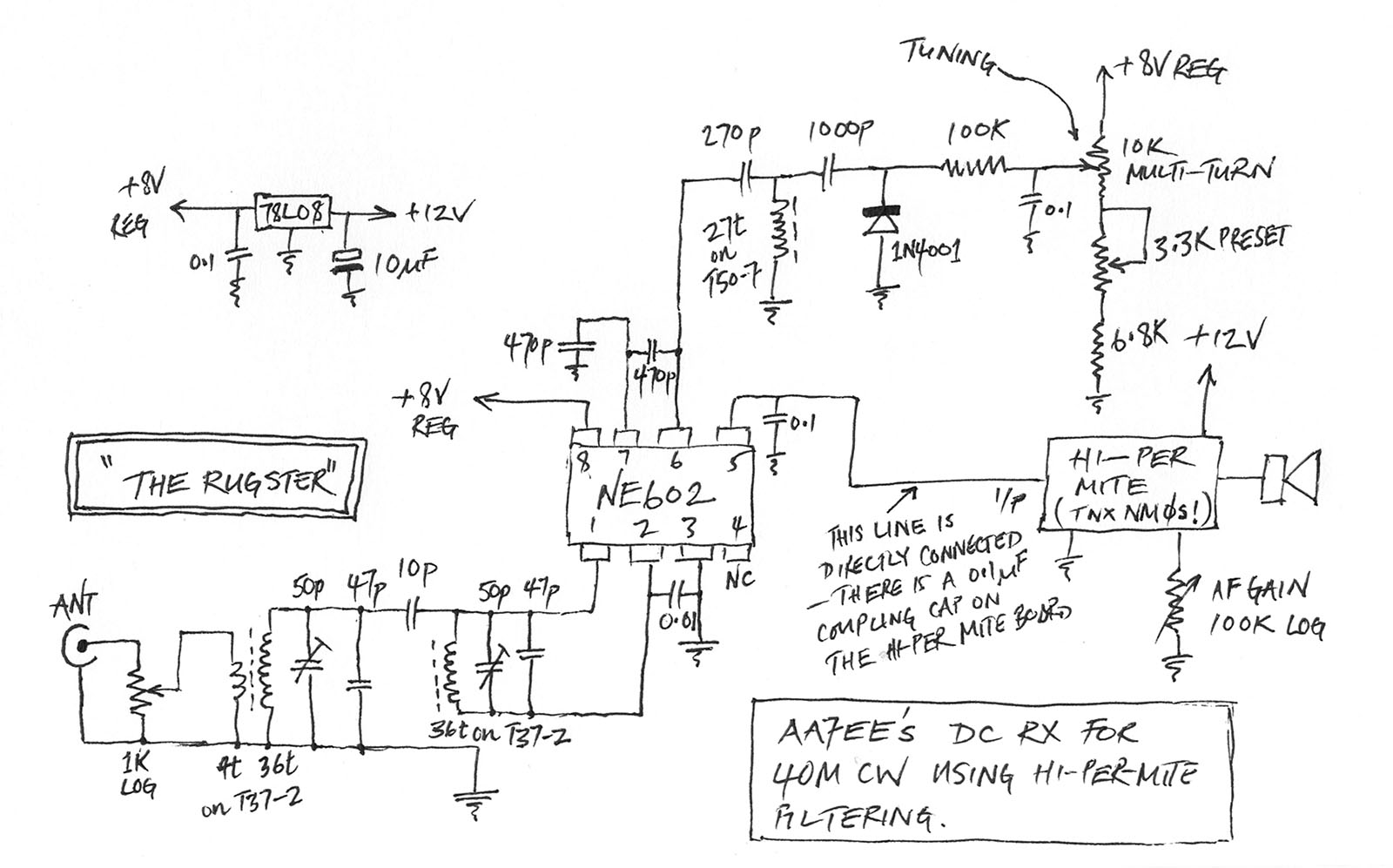
If you are considering building the Desert Ratt 2, it is advisable to read all the accompanying text, as it contains relevant construction details. Engaging with the comments and replies can also provide additional insights, as previous blog posts have...
schematic computer arithmetic organ
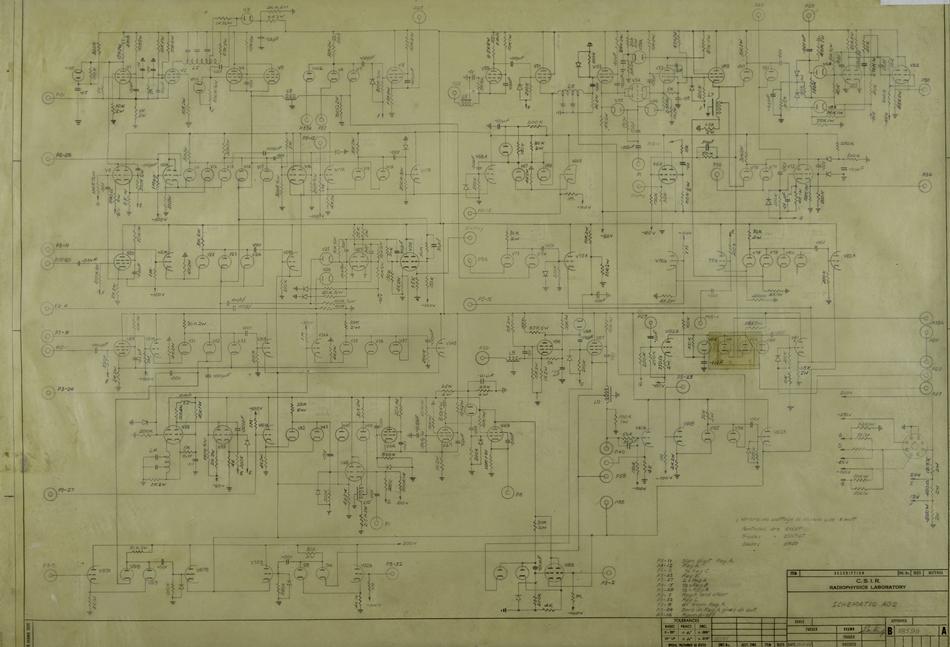
A schematic diagram illustrates the detailed connections between all components in a circuit. These diagrams are utilized for circuit construction and subsequent testing. In the case of CSIRAC, the primary components included vacuum tubes (valves), capacitors, and resistors. Schematic diagrams...
STEORN DEMO LIVE & STREAM
The positioning of a coil by even a millimeter can significantly impact the success or failure of a project. When there are tens of millimeters of possible positions, the likelihood of incorrect placement—and thus failure—greatly increases. This situation necessitates an...
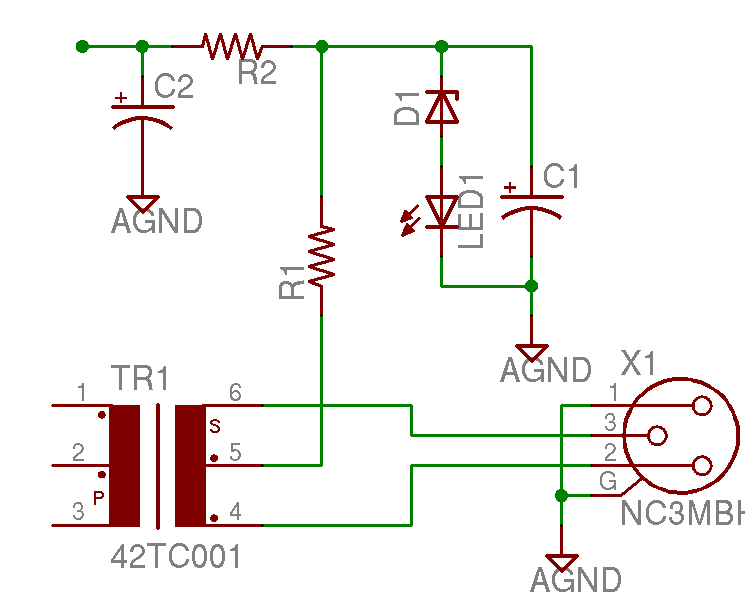
Help with a schematic please
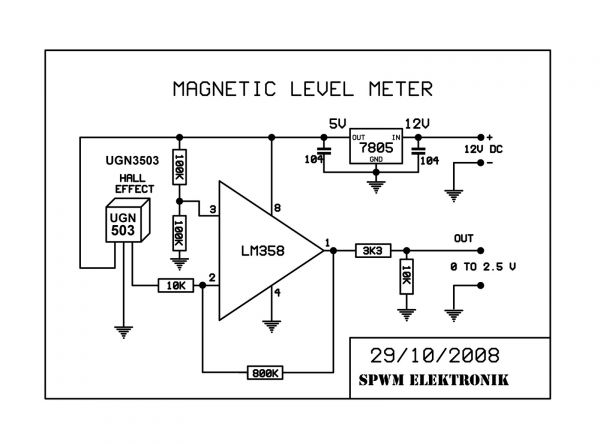
A project is underway to construct the CountryHick DI as illustrated on DIYFactory, incorporating a few minor modifications. The final design aims to be a 1U unit with four inputs.
The CountryHick DI (Direct Injection) box is a crucial tool in...
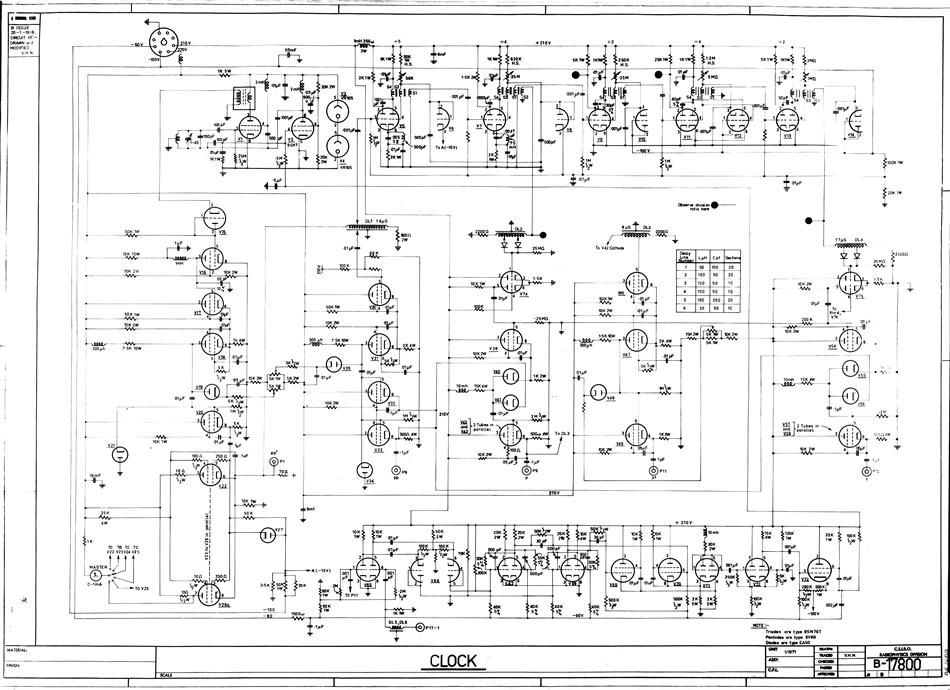
schematic clock
A hard copy schematic diagram related to the computer CSIRAC. The schematic diagram illustrates the detailed connections between all components in the circuit. It is used for building the circuit and later for testing. For CSIRAC, the most common components...
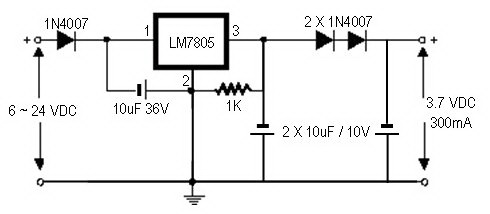
how to convert a 9v battery to 3.7v
A regulator circuit is needed for this DIY project. Familiarity with electronic components, circuitry, the use of a multitester, and a soldering iron is essential. The schematic diagram provided can accept an input voltage ranging from 6 to 24 volts...
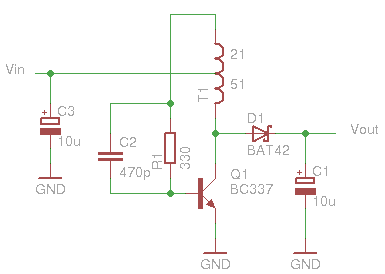
Glue stck torch
This project, developed around 2005, involves constructing a torch using a glue stick, which conveniently accommodates an AA battery within its plastic casing. To create a functional battery holder, contacts for both the positive and negative connections are necessary. The...
5 Minute Signal
For the past year and a half, a group based in Ann Arbor, Michigan, named GO-Tech has been formed, uniting individuals interested in creating projects using technology, such as hardware, software, metal, and wood. This initiative is referred to as...
Custom Silicon Solutions
Doug Grant's article on Heathkit in his blog via the EDN Network reflects on his experience building his first Heathkit and the knowledge he gained. He suggests that every electrical engineer has built at least one kit, a notion he...