


Face Recognition Attendance Machine interface circuit
#face recognition
#attendance system
#embedded systems
#biometrics
#microcontroller
#security
#authentication
#image processing
#IoT
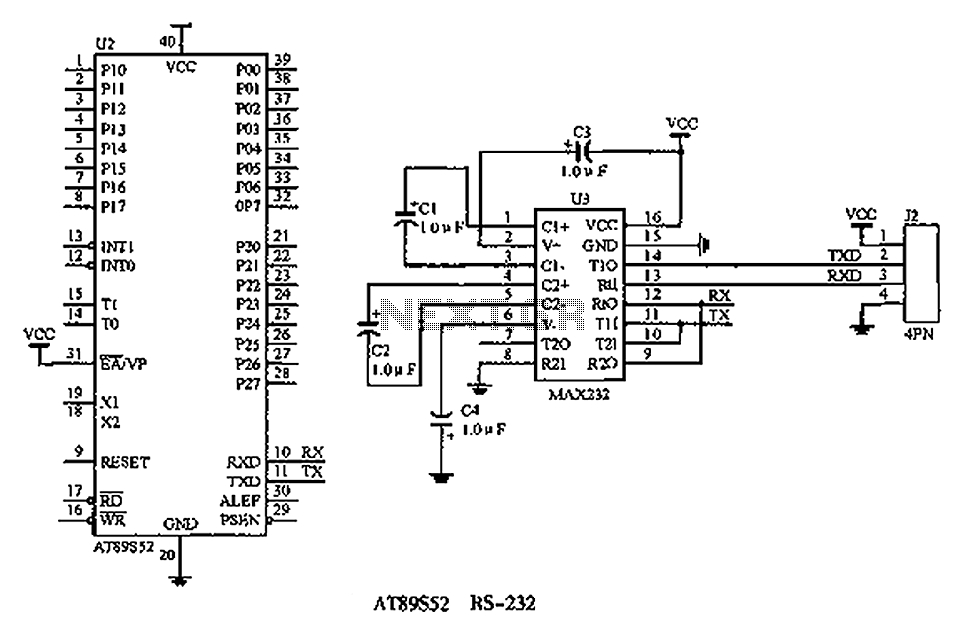
Description: Face Through attendance is the world's first embedded facial recognition machine, with an error rate of less than one in one hundred thousand and a rejection rate of less than one percent. In the field of biometrics, this device is quite accurate and operates offline, requiring only a power connection to function. Attendance records can be downloaded in two ways: via a USB drive or by connecting to a local area network (LAN) using a network cable. The machine utilizes binocular stereo face recognition technology, capable of identifying individuals in various indoor lighting conditions, with a minimum indoor temperature of 0 degrees Celsius. It operates effectively at a distance of 30 to 80 cm. Unlike fingerprint recognition, this non-contact method minimizes the risk of cross-contact infections, enhancing health and safety, and reduces wear and tear on the device itself. The design features a unique 53-degree angle bevel for optimal installation at a height of 1.15 meters, accommodating individuals between 1.4 to 2 meters tall. Recognition speed is under one second, and successful registrations are confirmed through voice recognition. The system integrates with access control measures, maintains security records, and provides continuous recording capabilities, ensuring that all data, including time and photographic information, is available for post-tracing. The device can be wall-mounted, placed on a floor stand, or set on a desktop, offering three mounting options.
The Face Through attendance system represents a significant advancement in biometric technology, particularly in the realm of facial recognition. Its design prioritizes user safety and convenience through non-contact scanning, which is essential in environments where hygiene is a concern. The embedded system architecture allows for rapid processing and storage of attendance data, making it suitable for various applications in educational, corporate, and public settings.
The utilization of binocular stereo technology enhances the device's ability to accurately recognize faces under diverse lighting conditions, ensuring reliability regardless of the environment. The operational parameters, such as the effective range and temperature tolerance, have been optimized for indoor use, making it ideal for offices, schools, and other facilities.
The dual options for data retrieval—USB and network cable—provide flexibility for users, allowing for easy integration into existing systems. The security features, including access control integration and continuous recording, ensure that the system not only tracks attendance but also enhances overall security measures within the premises.
In terms of installation, the unique 53-degree angle bevel design facilitates optimal positioning for facial recognition, ensuring that the device can accurately capture the faces of individuals of varying heights. This thoughtful engineering consideration contributes to the efficiency of the recognition process, which is completed in less than one second, thereby minimizing wait times for users.
Overall, the Face Through attendance system is a comprehensive solution that combines advanced technology with practical features, making it a valuable asset for organizations looking to enhance their attendance tracking and security protocols.Face through attendance as the worlds first embedded facial recognition machine, the error rate is less than one hundred thousandth of the rejection rate of less than one perce nt. In the field of biometrics, we can say quite accurate, offline version, not connected to the computer, plug in the power can be used with every attendance record can be downloaded in two ways, one can download the U disk, another can with a network cable to connect the LAN through a computer to download. Binocular stereo face recognition technology, from indoor lighting effects, the darkness can identify application environment indoor temperature not lower than 0 degrees using distance 30--80cm, compared with fingerprint, face through non contacts, to avoid cross-contact infection, health and safety, and because non-contact, no wear and tear of the machine itself.
Using 53-degree angle bevel unique design, installation, 1.15 m from the ground, can be adapted 1.4--2 meters between personnel, solved using different height of the person, recognition speed small one seconds, voice recognition is successful registration, combined with the use of access control, having security record, loop record security coverage, and not by any record through staff time and photo information, you can prepare for post-tracing, you can use wall-mounted on the floor stand, placed on the desktop on the desktop stand three way, mounting height.
The Face Through attendance system represents a significant advancement in biometric technology, particularly in the realm of facial recognition. Its design prioritizes user safety and convenience through non-contact scanning, which is essential in environments where hygiene is a concern. The embedded system architecture allows for rapid processing and storage of attendance data, making it suitable for various applications in educational, corporate, and public settings.
The utilization of binocular stereo technology enhances the device's ability to accurately recognize faces under diverse lighting conditions, ensuring reliability regardless of the environment. The operational parameters, such as the effective range and temperature tolerance, have been optimized for indoor use, making it ideal for offices, schools, and other facilities.
The dual options for data retrieval—USB and network cable—provide flexibility for users, allowing for easy integration into existing systems. The security features, including access control integration and continuous recording, ensure that the system not only tracks attendance but also enhances overall security measures within the premises.
In terms of installation, the unique 53-degree angle bevel design facilitates optimal positioning for facial recognition, ensuring that the device can accurately capture the faces of individuals of varying heights. This thoughtful engineering consideration contributes to the efficiency of the recognition process, which is completed in less than one second, thereby minimizing wait times for users.
Overall, the Face Through attendance system is a comprehensive solution that combines advanced technology with practical features, making it a valuable asset for organizations looking to enhance their attendance tracking and security protocols.Face through attendance as the worlds first embedded facial recognition machine, the error rate is less than one hundred thousandth of the rejection rate of less than one perce nt. In the field of biometrics, we can say quite accurate, offline version, not connected to the computer, plug in the power can be used with every attendance record can be downloaded in two ways, one can download the U disk, another can with a network cable to connect the LAN through a computer to download. Binocular stereo face recognition technology, from indoor lighting effects, the darkness can identify application environment indoor temperature not lower than 0 degrees using distance 30--80cm, compared with fingerprint, face through non contacts, to avoid cross-contact infection, health and safety, and because non-contact, no wear and tear of the machine itself.
Using 53-degree angle bevel unique design, installation, 1.15 m from the ground, can be adapted 1.4--2 meters between personnel, solved using different height of the person, recognition speed small one seconds, voice recognition is successful registration, combined with the use of access control, having security record, loop record security coverage, and not by any record through staff time and photo information, you can prepare for post-tracing, you can use wall-mounted on the floor stand, placed on the desktop on the desktop stand three way, mounting height.
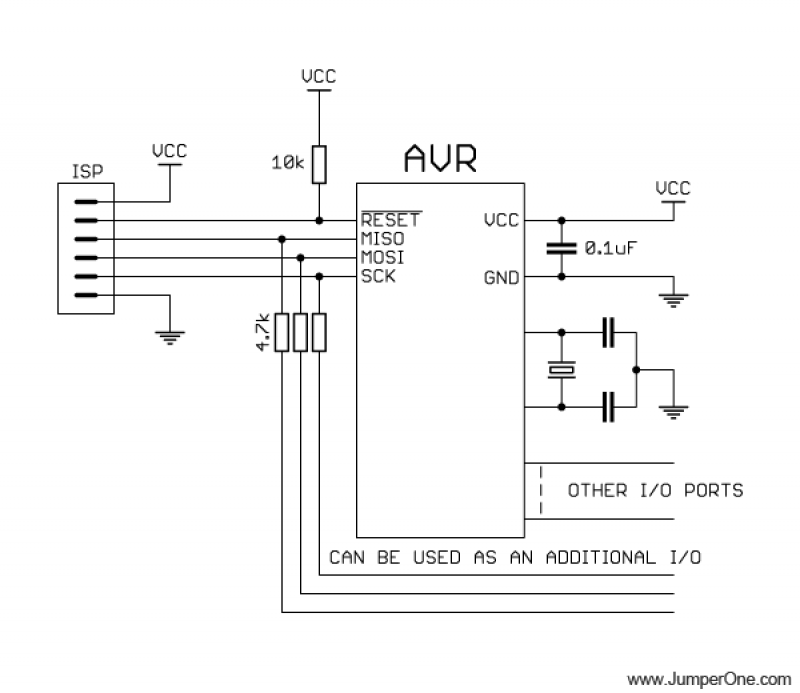
using microcontrollers
This schematic illustrates the placement of a decoupling capacitor on the right side, which should be positioned as close as possible to the power pins of the microcontroller. It includes a crystal oscillator, which is optional; an internal RC oscillator...
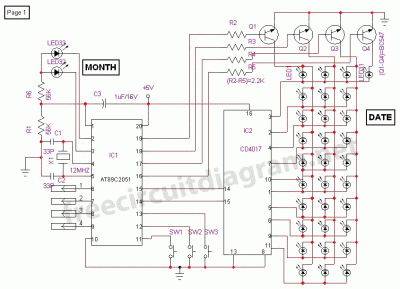
Digital Calender Circuit
This is a digital calendar circuit that utilizes a microcontroller to display the date, day, and month on an LED display. The entire system is managed by an 8-bit microcontroller, which operates based on a program embedded in its ROM....
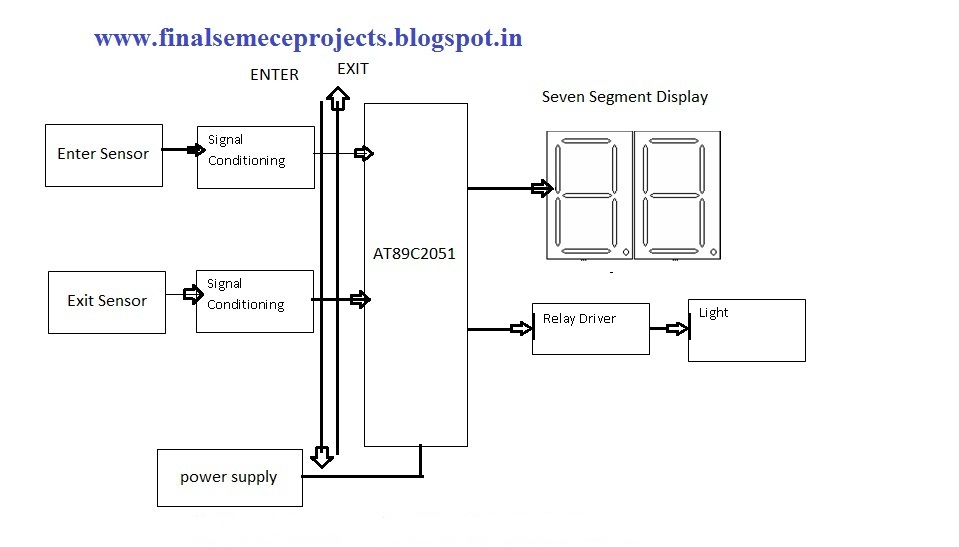
MICROCONTROLLER BASED AUTOMATIC ROOM LIGHT CONTROLLER
This project involves an automatic room light controller with a bidirectional visitor counter using a microcontroller. It is designed to manage room lighting and accurately count the number of individuals present. When a person enters the room, the counter increments...
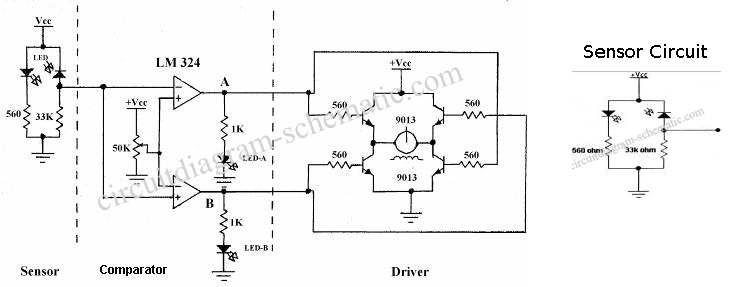
Sensor Circuit Of Analog Line Follower Robot
The following circuit illustrates the sensor circuit of an analog line follower robot. Features include control by a microcontroller and a sensor circuit.
The sensor circuit for an analog line follower robot is designed to detect the presence of a line...
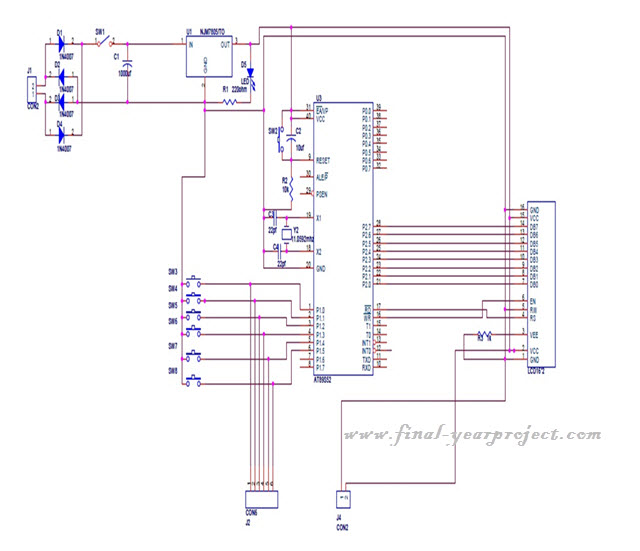
Microcontroller based College Automation System
This project is a microcontroller-based college automation system aimed at addressing the challenges faced in educational institutions. It replaces the conventional notice board with an automated device that allows users to both hear and read the information being announced through...
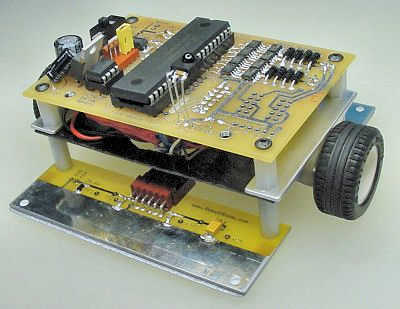
Jet
The microcontroller is able to make about 7000 complete line-following decisions per second, which is almost 7 decisions per millimeter when the robot is going full speed. By upping the clock, unrolling loops, and removing my wireless debugging and extraneous...
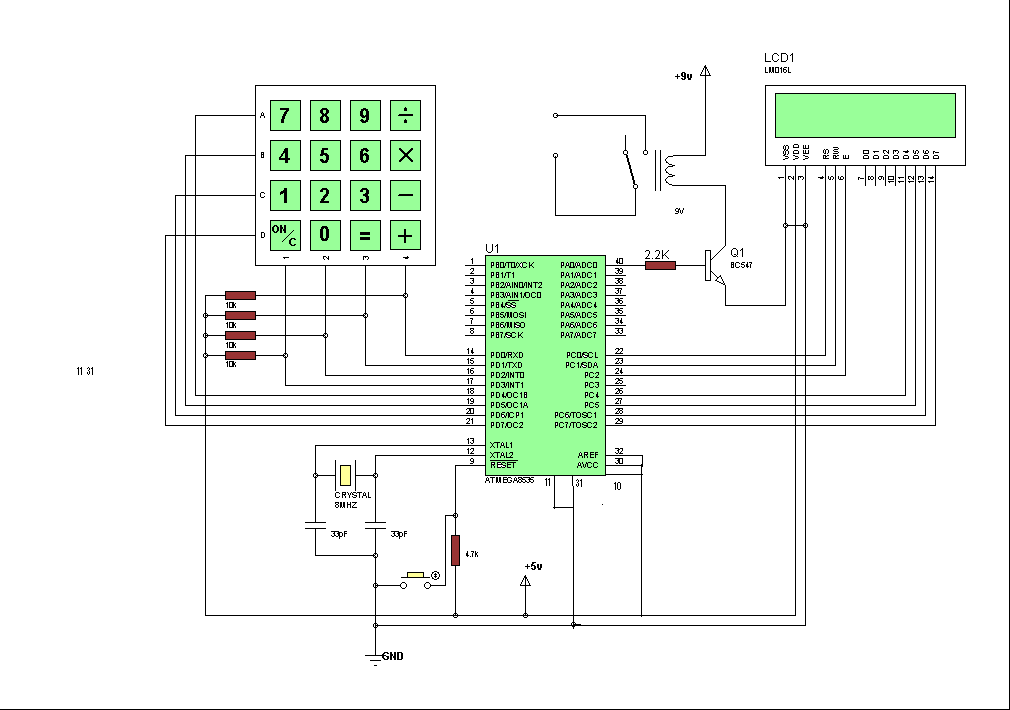
Secured room access system
Security is a primary concern in daily life, and an access control system is a crucial component of a security framework. The microcontroller-based digital lock described here is an access control system that permits only authorized individuals to enter a...
Robo Atmega328p project
This project was designed to introduce a friend to microcontrollers and circuits using various functionalities and spare parts. A PS2 numpad was utilized as the key entry mechanism, which was found at a thrift store and included the necessary connector....
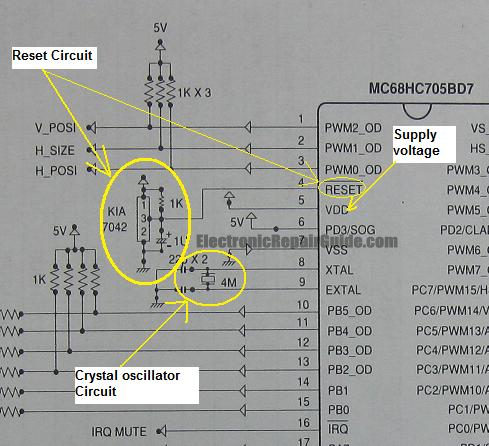
repair microcontroller circuit
The difference between these two ICs. A microcontroller is a specialized type of microprocessor designed to be self-sufficient and cost-effective, while a microprocessor is typically intended for general-purpose use, such as in personal computers (PCs). The microcontroller integrates several useful...