


lcd interfacing with cy8c3866 psoc 3
#cy8c3866
#psoc 3
#lcd interfacing
#embedded systems
#fx2lp programmer
#usb
#cypress
#microcontroller kit
#educational
#students
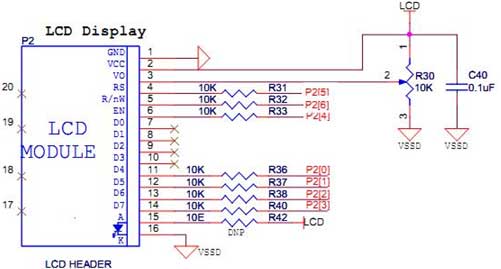
Description: The PSoC 3 Primer Kit is specifically designed to assist students in mastering the necessary skills in embedded systems. The kit is structured to enable easy utilization of all possible features of the microcontroller. It supports the FX2LP Programmer, which connects via a USB port, and is based on the Cypress CY8C3866 core (CY8C3866). The PSoC 3 Primer Kit facilitates the development and debugging of various designs utilizing 8-bit microcontrollers. It includes onboard CAPSENSE buttons, a CAPSENSE linear slider, UART, ADC, DAC, a relay, a buzzer, a seven-segment display, a serial EEPROM, a temperature sensor (LM35), a matrix keypad, switches, LEDs, a stepper motor driver, a traffic light controller, a real-time clock (RTC), and LCD & GLCD displays, creating a versatile standalone test platform. Users can engage with the Primer on this platform or use it as a reference for application development. The liquid crystal display (LCD) is particularly useful for providing a user interface as well as for debugging purposes. An LCD is a flat panel display that utilizes the light-modulating properties of liquid crystals (LCs) and can present textual information to the user. The 2x16 character LCD interface card supports both 4-bit and 8-bit modes, along with a facility to adjust contrast via a trim potentiometer. In the 4-bit interface, seven lines are required: four data bits (D0 to D3), three control lines, an address bit (RS), a read/write bit (R/W), and a control signal (E). In the 8-bit interface, eleven lines are needed: eight data bits (D0 to D7), three control lines, an address bit (RS), a read/write bit (R/W), and a control signal (E).
The PSoC 3 Primer Kit serves as a comprehensive educational tool for students interested in embedded systems design and development. The integration of various components allows for a hands-on approach to learning, where students can explore the functionalities of microcontrollers in a practical environment. The inclusion of CAPSENSE technology enables touch-sensitive controls, enhancing interactivity in projects.
The UART interface facilitates serial communication, allowing the microcontroller to communicate with other devices, while the ADC and DAC components enable the conversion between analog and digital signals, essential for sensor applications. The relay can be used for controlling high-power devices, making the kit suitable for real-world applications.
The temperature sensor (LM35) provides temperature readings, which can be crucial for environmental monitoring projects. The matrix keypad allows for user input, while the stepper motor driver enables precise control of motors for robotics applications. The traffic light controller can be utilized in projects simulating traffic management systems, showcasing the kit's versatility.
The LCD interface enhances user interaction by displaying information, which is vital for debugging and monitoring the system's operation. The dual interface modes (4-bit and 8-bit) provide flexibility in design choices, accommodating various project requirements. The contrast adjustment feature ensures optimal visibility of the display under different lighting conditions.
Overall, the PSoC 3 Primer Kit is an invaluable resource for students and educators, providing a robust platform for exploring the principles of embedded systems and microcontroller programming. The combination of diverse components and functionalities allows for a wide range of applications, making it an essential tool for both learning and prototyping.The PSoc 3 Primer kit is specifically designed to help students to master the required skills in the area of embedded systems. The kit is designed in such way that all the possible features of the microcontroller will be easily used by the students.
The kit supports FX2LP Programmer which is done through USB port. Cypress CY8C3866 core (CY8C3866), PSoc 3 Primer Kit is proposed to smooth the progress of developing and debugging of various designs encompassing of speed 8-bit Microcontrollers. It integrates on board CAPSENSE BUTTONS, CAPSENSE LINEAR SLIDER, UART, ADC, DAC, Relay, Buzzer, Seven Segment, Serial EEPROM, Temperature Sensor LM35, Matrix Keypad, Switch, LED, Stepper Motor Driver, Traffic Light Controller, RTC, LCD & GLCD Display to create a stand-alone versatile test platform.
User can easily engage in Primer in this platform, or use it as reference to application Primer. Liquid Crystal Display also called as LCD is very helpful in providing user interface as well as for debugging purpose. A liquid crystal display (LCD) is a flat panel display that uses the light modulating properties of liquid crystals (LCs).
LCD Modules can present textual information to user. Fig. 1 shows how to interface the LCD to microcontroller. The 2x16 character LCD interface card with supports both modes 4-bit and 8-bit interface, and also facility to adjust contrast through trim pot. In 4-bit interface 7 lines needed to create 4-bit interface; 4 data bits (D0 D3), three control lines, address bit (RS), read/write bit (R/W) and control signal (E).
In 8-bit interface 11 lines needed to create 8-bit interface; 8 data bits (D0 D7), three control lines, address bit (RS), read/write bit (R/W) and control signal (E).
The PSoC 3 Primer Kit serves as a comprehensive educational tool for students interested in embedded systems design and development. The integration of various components allows for a hands-on approach to learning, where students can explore the functionalities of microcontrollers in a practical environment. The inclusion of CAPSENSE technology enables touch-sensitive controls, enhancing interactivity in projects.
The UART interface facilitates serial communication, allowing the microcontroller to communicate with other devices, while the ADC and DAC components enable the conversion between analog and digital signals, essential for sensor applications. The relay can be used for controlling high-power devices, making the kit suitable for real-world applications.
The temperature sensor (LM35) provides temperature readings, which can be crucial for environmental monitoring projects. The matrix keypad allows for user input, while the stepper motor driver enables precise control of motors for robotics applications. The traffic light controller can be utilized in projects simulating traffic management systems, showcasing the kit's versatility.
The LCD interface enhances user interaction by displaying information, which is vital for debugging and monitoring the system's operation. The dual interface modes (4-bit and 8-bit) provide flexibility in design choices, accommodating various project requirements. The contrast adjustment feature ensures optimal visibility of the display under different lighting conditions.
Overall, the PSoC 3 Primer Kit is an invaluable resource for students and educators, providing a robust platform for exploring the principles of embedded systems and microcontroller programming. The combination of diverse components and functionalities allows for a wide range of applications, making it an essential tool for both learning and prototyping.The PSoc 3 Primer kit is specifically designed to help students to master the required skills in the area of embedded systems. The kit is designed in such way that all the possible features of the microcontroller will be easily used by the students.
The kit supports FX2LP Programmer which is done through USB port. Cypress CY8C3866 core (CY8C3866), PSoc 3 Primer Kit is proposed to smooth the progress of developing and debugging of various designs encompassing of speed 8-bit Microcontrollers. It integrates on board CAPSENSE BUTTONS, CAPSENSE LINEAR SLIDER, UART, ADC, DAC, Relay, Buzzer, Seven Segment, Serial EEPROM, Temperature Sensor LM35, Matrix Keypad, Switch, LED, Stepper Motor Driver, Traffic Light Controller, RTC, LCD & GLCD Display to create a stand-alone versatile test platform.
User can easily engage in Primer in this platform, or use it as reference to application Primer. Liquid Crystal Display also called as LCD is very helpful in providing user interface as well as for debugging purpose. A liquid crystal display (LCD) is a flat panel display that uses the light modulating properties of liquid crystals (LCs).
LCD Modules can present textual information to user. Fig. 1 shows how to interface the LCD to microcontroller. The 2x16 character LCD interface card with supports both modes 4-bit and 8-bit interface, and also facility to adjust contrast through trim pot. In 4-bit interface 7 lines needed to create 4-bit interface; 4 data bits (D0 D3), three control lines, address bit (RS), read/write bit (R/W) and control signal (E).
In 8-bit interface 11 lines needed to create 8-bit interface; 8 data bits (D0 D7), three control lines, address bit (RS), read/write bit (R/W) and control signal (E).
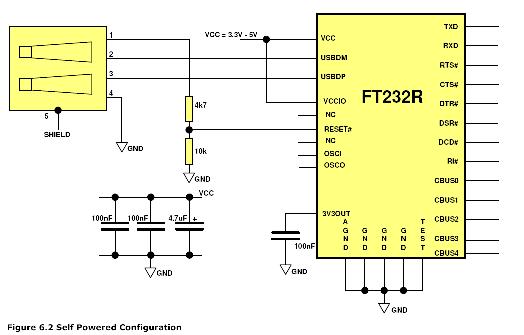
mbed usb breakout
One issue this creates is that the USB port previously used for communication with HyperTerminal is no longer available. An alternative solution is required, which led to the selection of the FT232RL chip. This choice was made primarily due to...
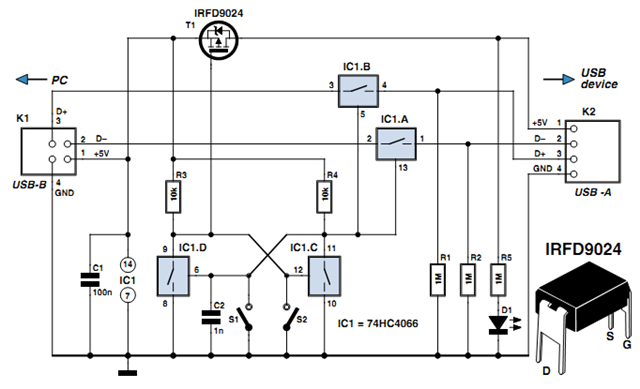
usb switch schematic circuit
Individuals engaged in the experimentation or development of USB-connected peripheral hardware often find it frustrating to repeatedly disconnect and reconnect the plug to reestablish communication with the PC. This procedure is necessary, for instance, every time the peripheral device is...
usb
This document outlines a project completed by a team between September 2000 and March 2001 as part of the Engineering Physics degree program at the University of British Columbia. The project involved constructing a USB device utilizing the PIC 16C745...
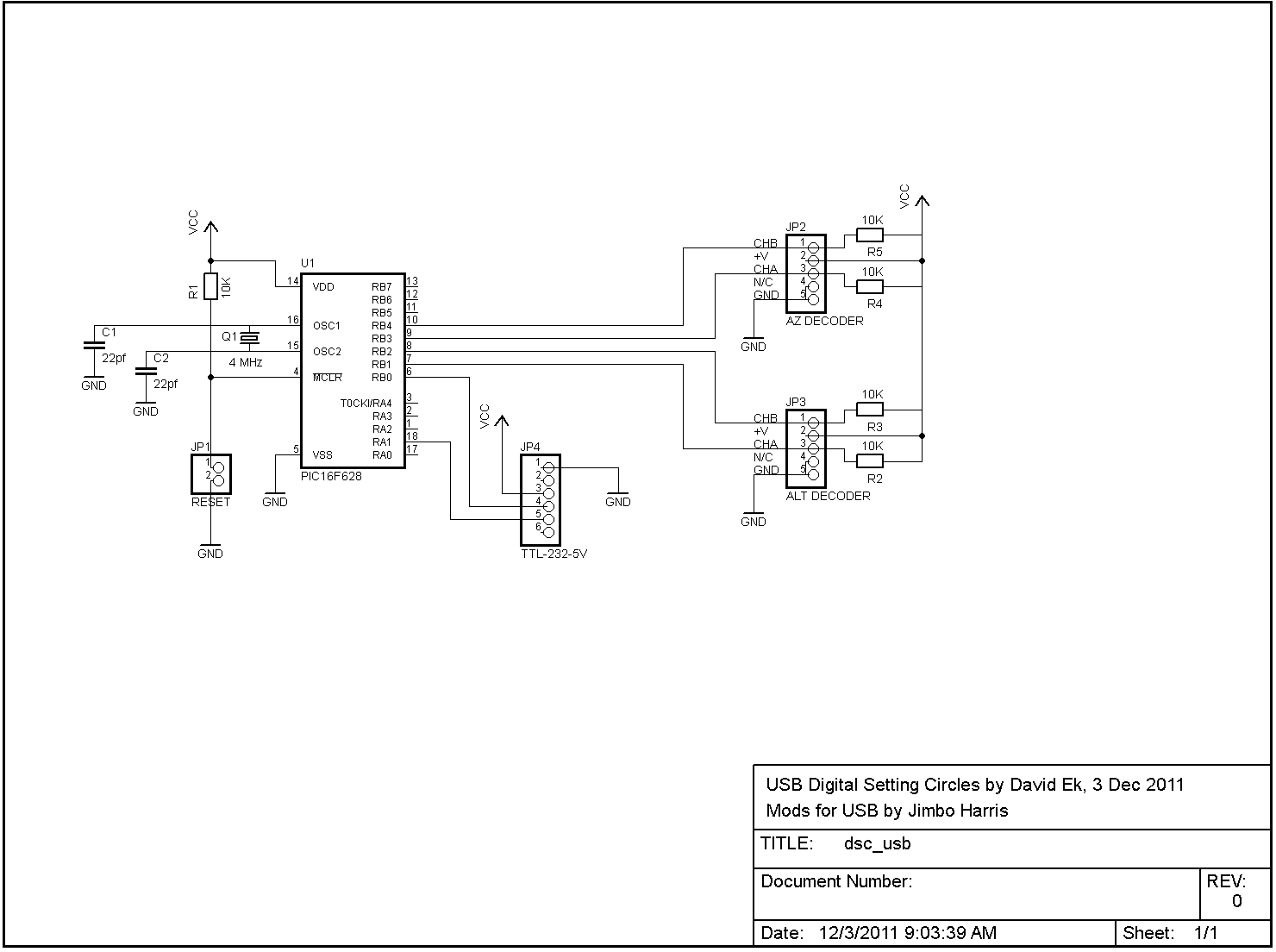
USB Digital Setting Circles
The serial version of the DSC circuit described in these pages is easily adaptable for use with a USB-serial conversion cable. FTDI manufactures the TTL-232R-5V cable, which converts TTL-level serial data directly from the PIC to USB for connection to...
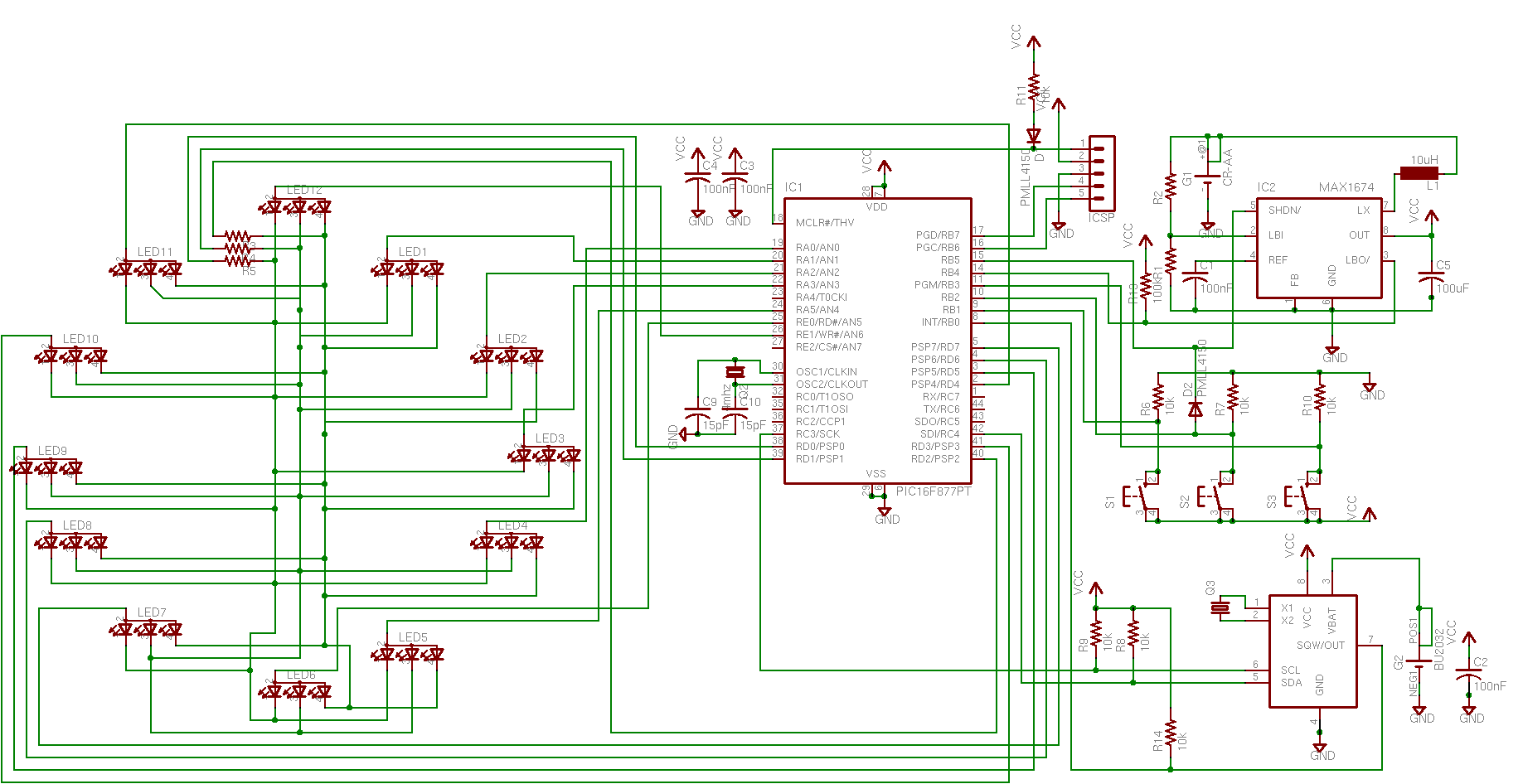
usb joystick
With the phasing out of game, serial, and parallel ports from modern computers and the increasing popularity of USB, it is beneficial for hobbyists to learn how to work with USB. However, USB is a complex protocol that can be...
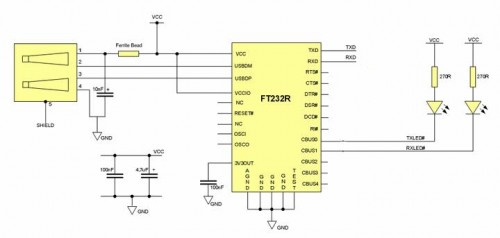
usb to rs232 converter using ft232
Some still remember the serial RS232 port, also referred to as a COM PORT, as its functionality has largely been replaced by USB ports. However, for electronics engineering students and technicians learning about computer interfaces, the RS232 port remains relevant....
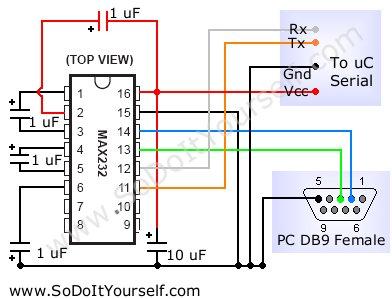
Communication between a USB/serial device and an AVR (atmega/Arduino) microcontroller
A device that provides a USB port is recognized as a "CP2103 USB to UART Bridge Controller" when connected to a Windows PC. According to the device documentation, it communicates in serial format at 38400 bps. The USB pinout differs...
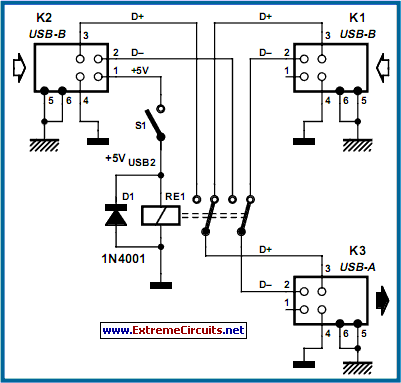
USB Switch For Printers
This circuit switches a printer's USB connection between a PC and a laptop. The goal was to create a method for allowing the laptop to use the printer occasionally while maintaining the printer's connection to the PC at all other...
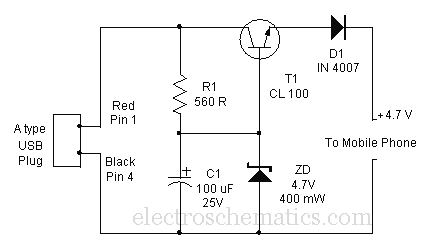
USB Cellphone Charger circuit
A mobile phone can be charged using the USB outlet of a PC. This simple USB cellphone charger circuit provides a regulated output of 4.7 volts for charging the mobile phone. The USB outlet typically supplies 5 volts DC and...