


Aquarium incubator circuit diagram

Description: The circuit features a 24V system with a 0.5W resistor functioning as a heating element (R7), which is embedded in a sand substrate within an aquarium. The heating element is connected to 24V bulbs at both ends. The resistor is encapsulated with waterproof epoxy resin for protection. A power transformer (B) is included in the design, and the aquarium temperature is monitored by a thermistor (R2). This setup is designed for a water tank with a capacity of 15 kg.
The schematic illustrates a heating system tailored for aquarium applications, utilizing a 24V power supply. The heating element, designated as R7, is a 0.5W resistor strategically placed in a sand medium to facilitate effective heat distribution throughout the aquarium environment. The inclusion of 24V bulbs at both ends of the resistor enhances the heating capability, ensuring that the water temperature can be raised efficiently.
The thermistor (R2) acts as a temperature sensing device, providing real-time feedback on the aquarium's thermal state. This feedback is crucial for maintaining optimal conditions for aquatic life. The thermistor's resistance varies with temperature, allowing a control circuit to adjust the power supplied to the heating element accordingly. This closed-loop control system is essential for preventing overheating and ensuring the stability of the aquarium's environment.
The power transformer (B) is responsible for converting the input voltage to the required levels for the heating element and the bulbs. It is designed to handle the power requirements of the entire system while ensuring safety and reliability. The waterproof epoxy resin encapsulation of the resistor not only protects it from moisture but also enhances the durability of the heating element, making it suitable for long-term use in aquatic settings.
This circuit configuration is specifically designed for aquariums with a water capacity of 15 kg, making it an ideal solution for small to medium-sized tanks. The combination of a robust heating element, effective temperature monitoring, and reliable power supply ensures that the aquarium can maintain a stable and suitable environment for its inhabitants. As shown in the circuit with 24 300 in Europe, a 0.5W resistor in parallel as a heating element R7 buried in the sand bunk aquariums with 24V bulbs connected to both ends of th e heater is energized for instructions. Resistance and was coupled with a waterproof epoxy resin. B is a power transformer. Aquarium temperature determined by the thermistor R2. This equipment is suitable 15KG water tank.
The schematic illustrates a heating system tailored for aquarium applications, utilizing a 24V power supply. The heating element, designated as R7, is a 0.5W resistor strategically placed in a sand medium to facilitate effective heat distribution throughout the aquarium environment. The inclusion of 24V bulbs at both ends of the resistor enhances the heating capability, ensuring that the water temperature can be raised efficiently.
The thermistor (R2) acts as a temperature sensing device, providing real-time feedback on the aquarium's thermal state. This feedback is crucial for maintaining optimal conditions for aquatic life. The thermistor's resistance varies with temperature, allowing a control circuit to adjust the power supplied to the heating element accordingly. This closed-loop control system is essential for preventing overheating and ensuring the stability of the aquarium's environment.
The power transformer (B) is responsible for converting the input voltage to the required levels for the heating element and the bulbs. It is designed to handle the power requirements of the entire system while ensuring safety and reliability. The waterproof epoxy resin encapsulation of the resistor not only protects it from moisture but also enhances the durability of the heating element, making it suitable for long-term use in aquatic settings.
This circuit configuration is specifically designed for aquariums with a water capacity of 15 kg, making it an ideal solution for small to medium-sized tanks. The combination of a robust heating element, effective temperature monitoring, and reliable power supply ensures that the aquarium can maintain a stable and suitable environment for its inhabitants. As shown in the circuit with 24 300 in Europe, a 0.5W resistor in parallel as a heating element R7 buried in the sand bunk aquariums with 24V bulbs connected to both ends of th e heater is energized for instructions. Resistance and was coupled with a waterproof epoxy resin. B is a power transformer. Aquarium temperature determined by the thermistor R2. This equipment is suitable 15KG water tank.
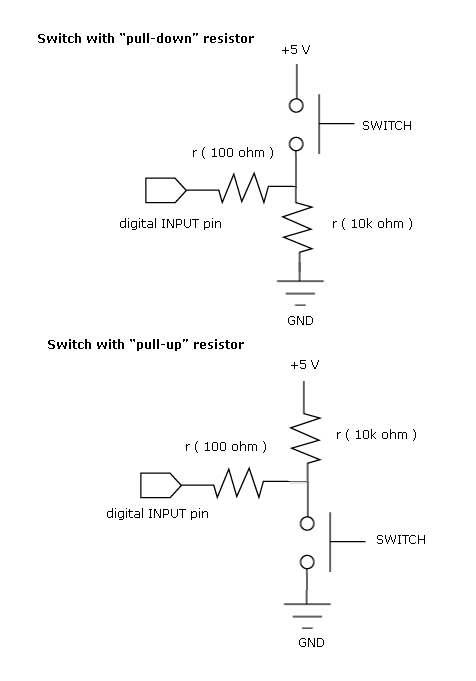
pull up and pull down resistor
Most beginners in digital electronics assume that a floating input represents a logic 0, which is a misconception. Floating inputs are in a neutral state and can represent either a logic 0 or a logic 1. This misunderstanding can lead...
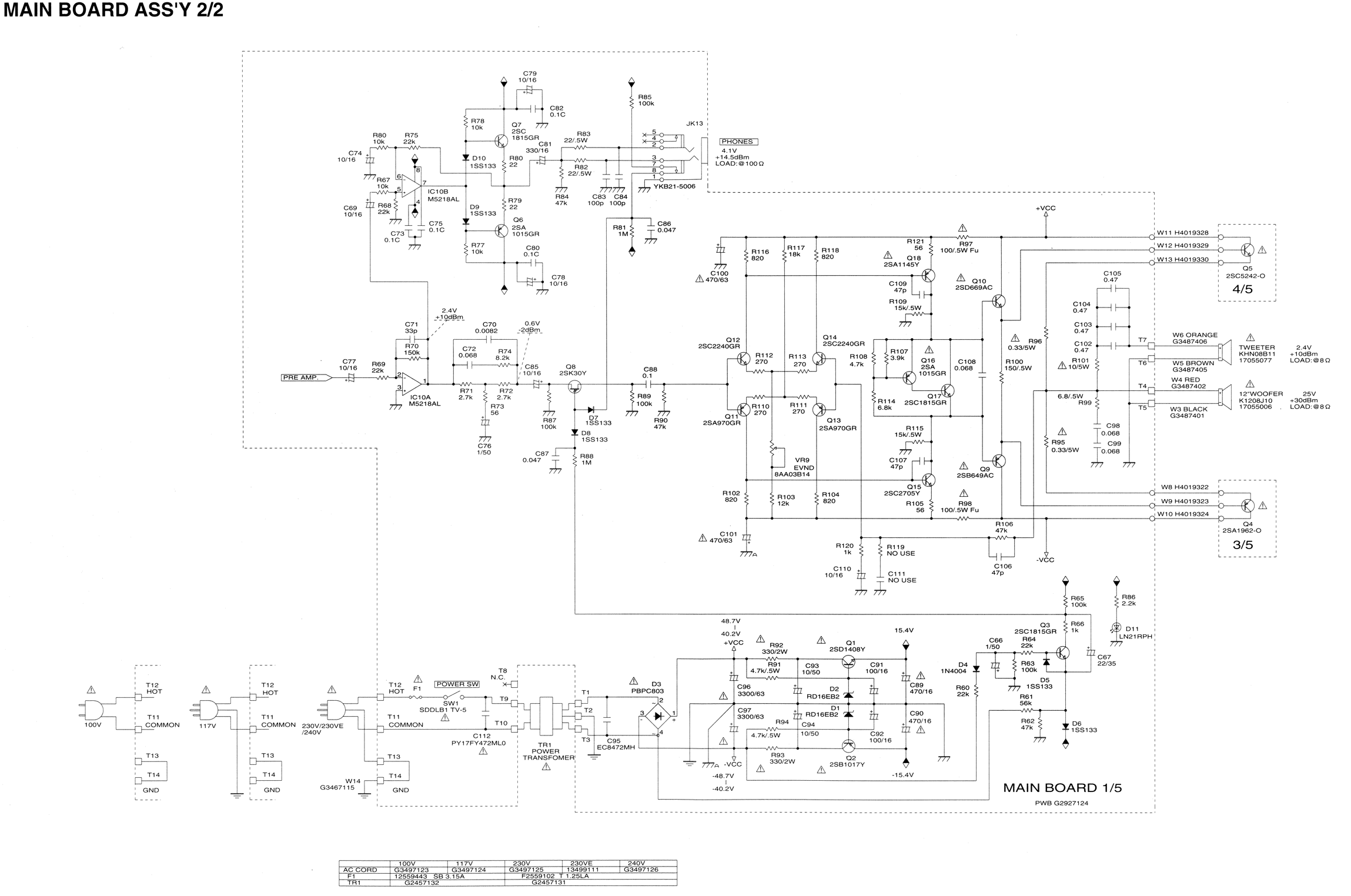
I burned out some resistors on the circuit board of my Roland
Some resistors on the circuit board of a Roland KC-300 amplifier have burned out and are so charred that their specifications cannot be determined. The resistors in question are R82, R83, R85, R92, and R93. Resistors R92 and R93 are...
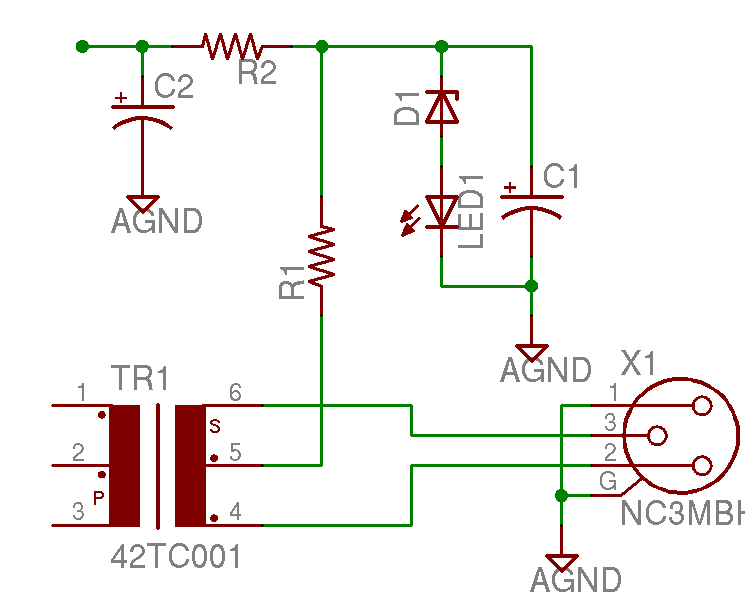
Help with a schematic please
A project is underway to construct the CountryHick DI as illustrated on DIYFactory, incorporating a few minor modifications. The final design aims to be a 1U unit with four inputs.
The CountryHick DI (Direct Injection) box is a crucial tool in...
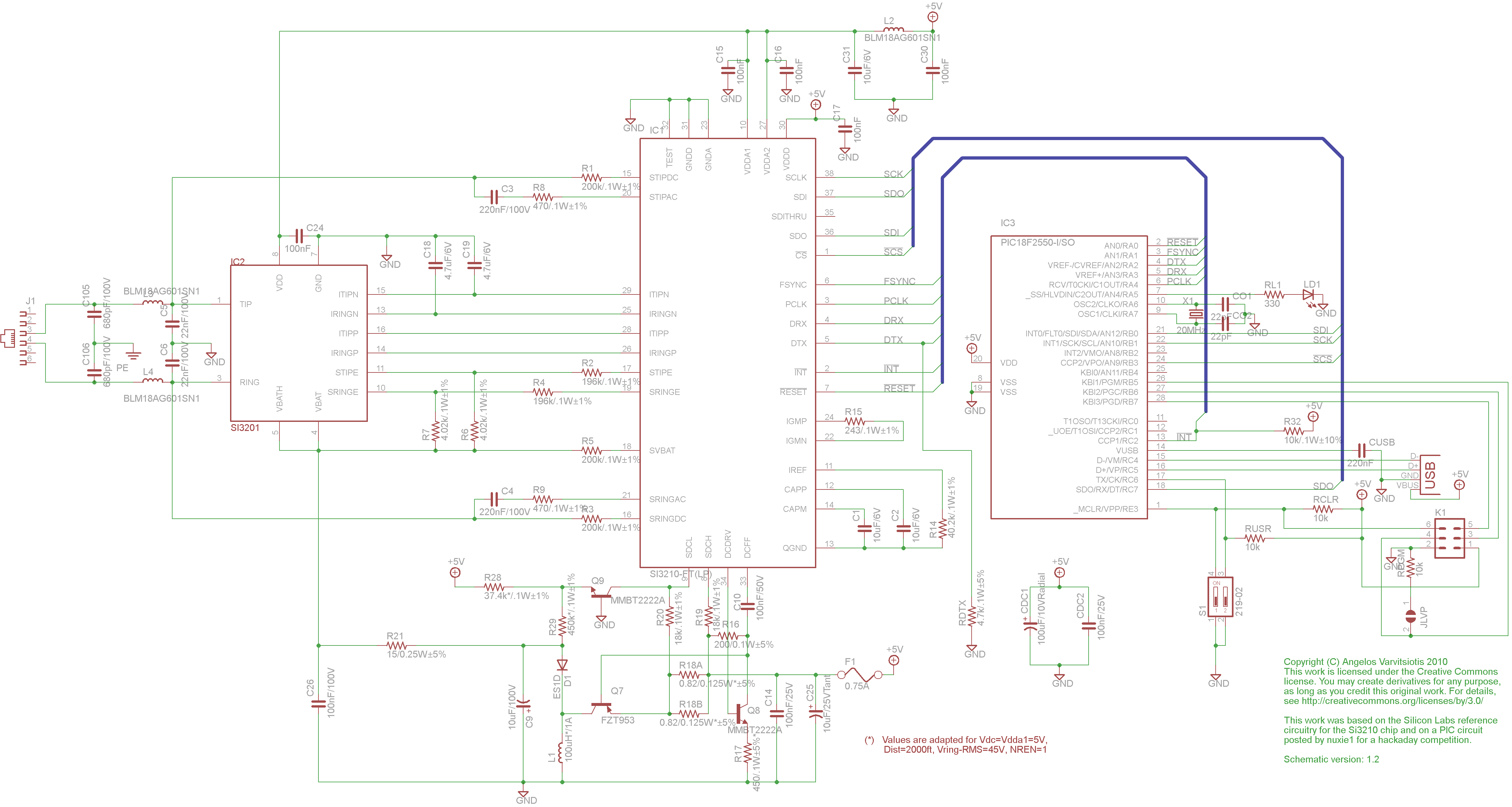
dyi setup and debugging guide
This page discusses the differences between assembled Open USB FXS dongle boards and DIY boards. While the assembled boards are fully tested and quality control approved, DIY boards may encounter various issues during assembly. Fortunately, most of these issues can...
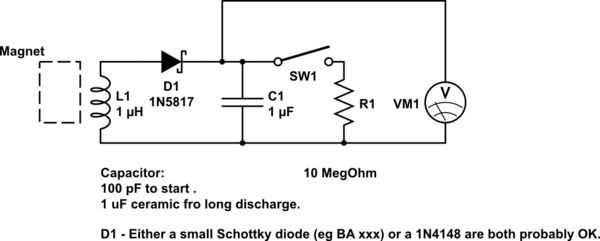
DIY kinetic energy harvester
A DIY kinetic energy harvester utilizing the electromagnetic method to generate electricity. The materials that will be used are currently known.
The project involves creating a kinetic energy harvester that converts mechanical energy from motion into electrical energy through electromagnetic induction....
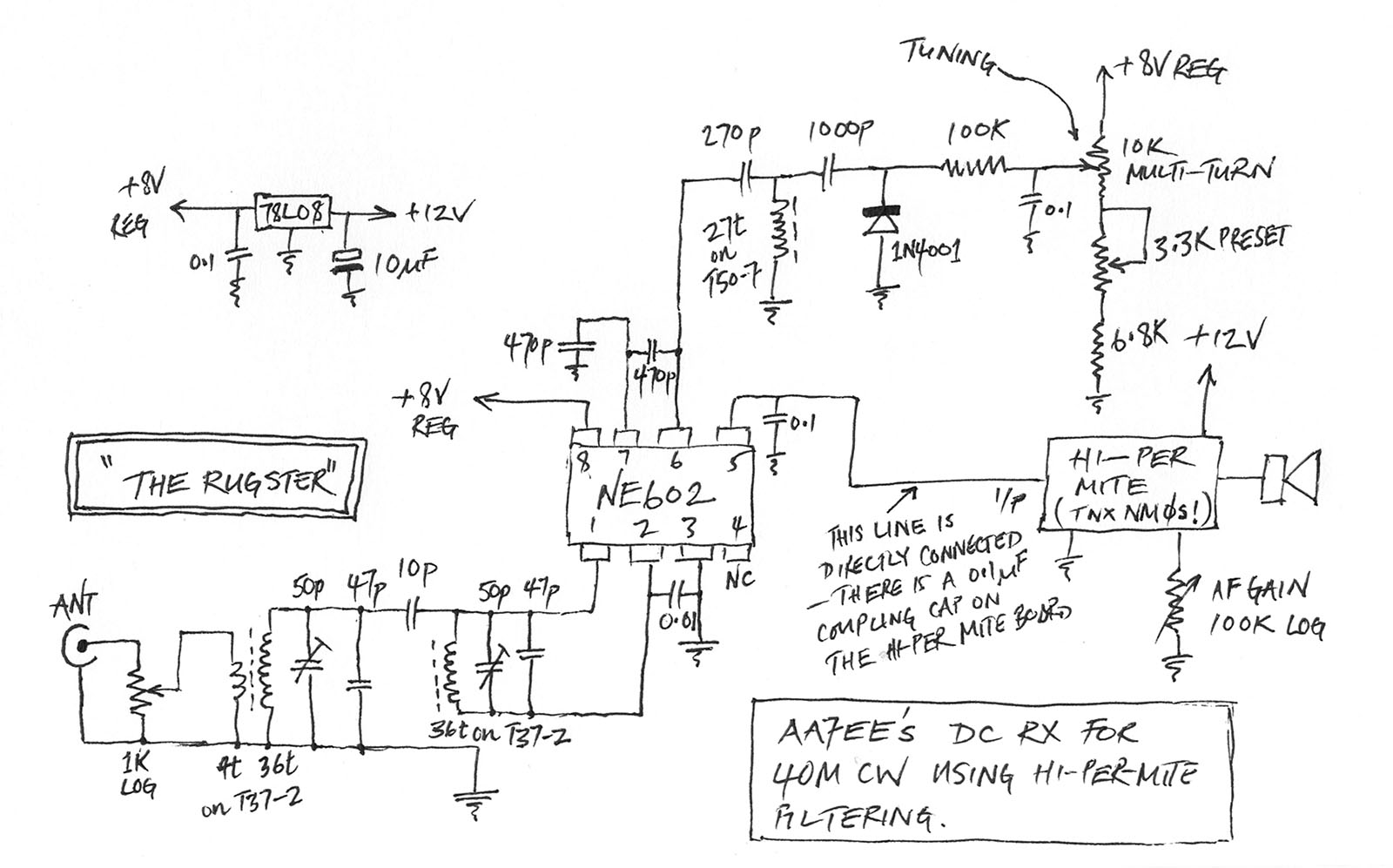
MePADS
If you are considering building the Desert Ratt 2, it is advisable to read all the accompanying text, as it contains relevant construction details. Engaging with the comments and replies can also provide additional insights, as previous blog posts have...
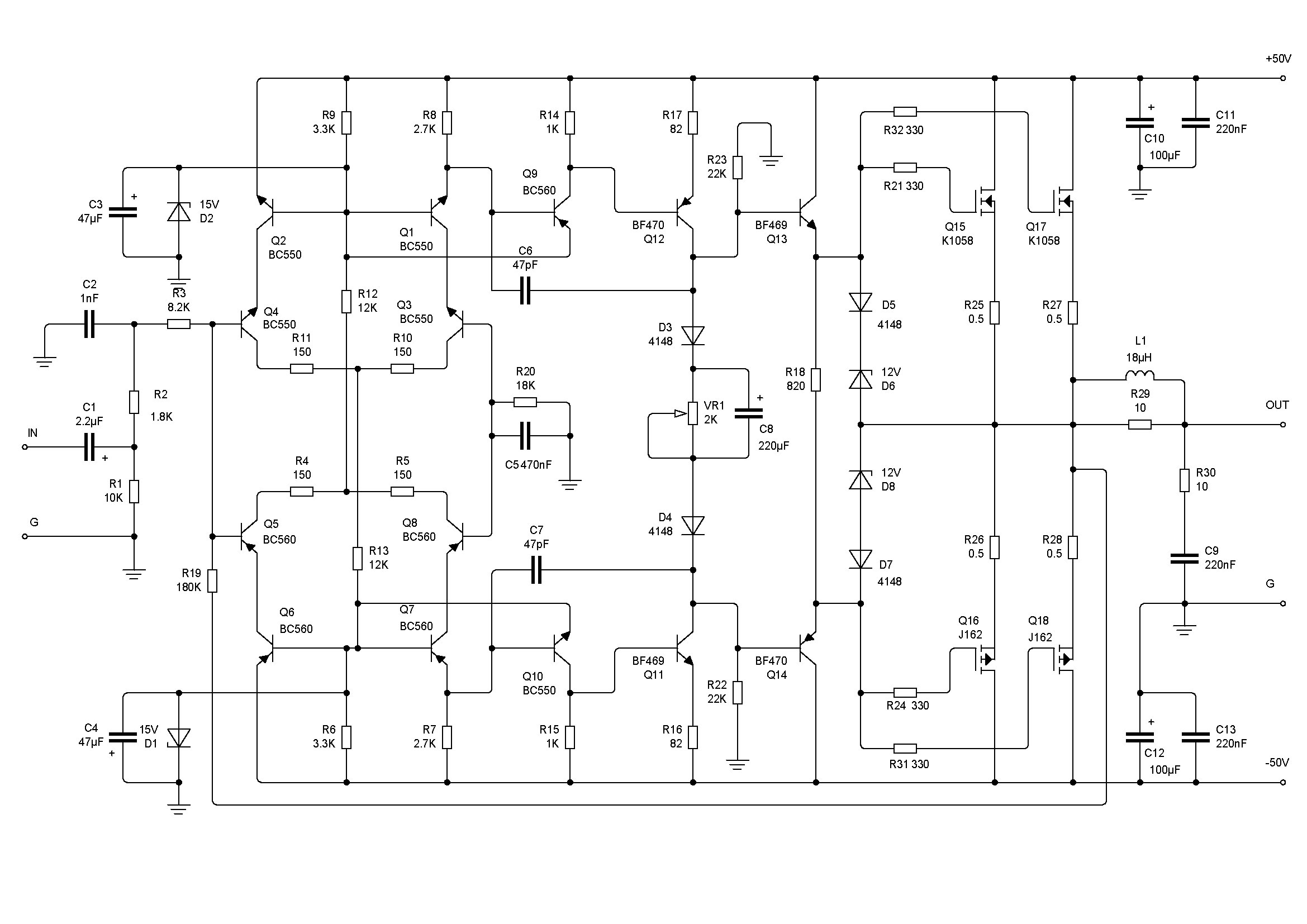
Crescendo ampilifier elektor1982
The Elector Crescendo was the first DIY amplifier that was not a kit. The design was sourced from the Elector magazines available at a local library.
The Elector Crescendo is an innovative audio amplifier designed for DIY enthusiasts. It features a...
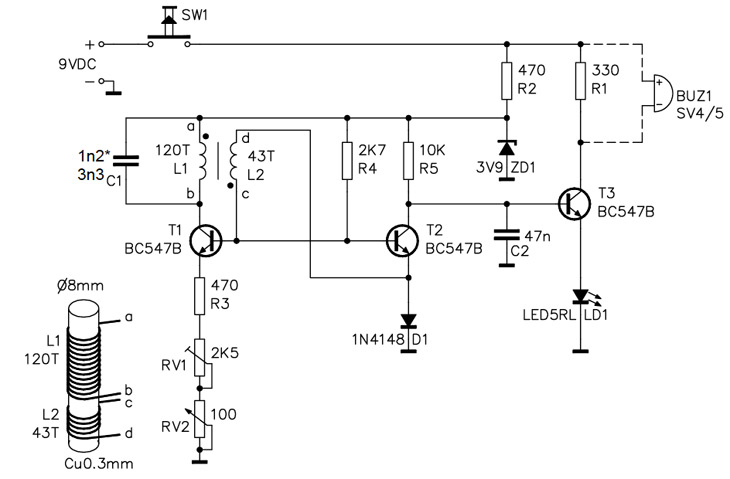
Homemade Metal Detector Kit
A simple home project can quickly become problematic if it encounters electric cables, gas, or water pipes, or the central heating system. Using a metal detector allows one to check for metal objects within walls, ceilings, or floors beforehand. An...
Glue stck torch
This project, developed around 2005, involves constructing a torch using a glue stick, which conveniently accommodates an AA battery within its plastic casing. To create a functional battery holder, contacts for both the positive and negative connections are necessary. The...