


Bricolage YumYum
#philosophy
#electronics
#circuit theory
#social mediation
#digital
#analog
#conductors
#resistors
#current
#voltage
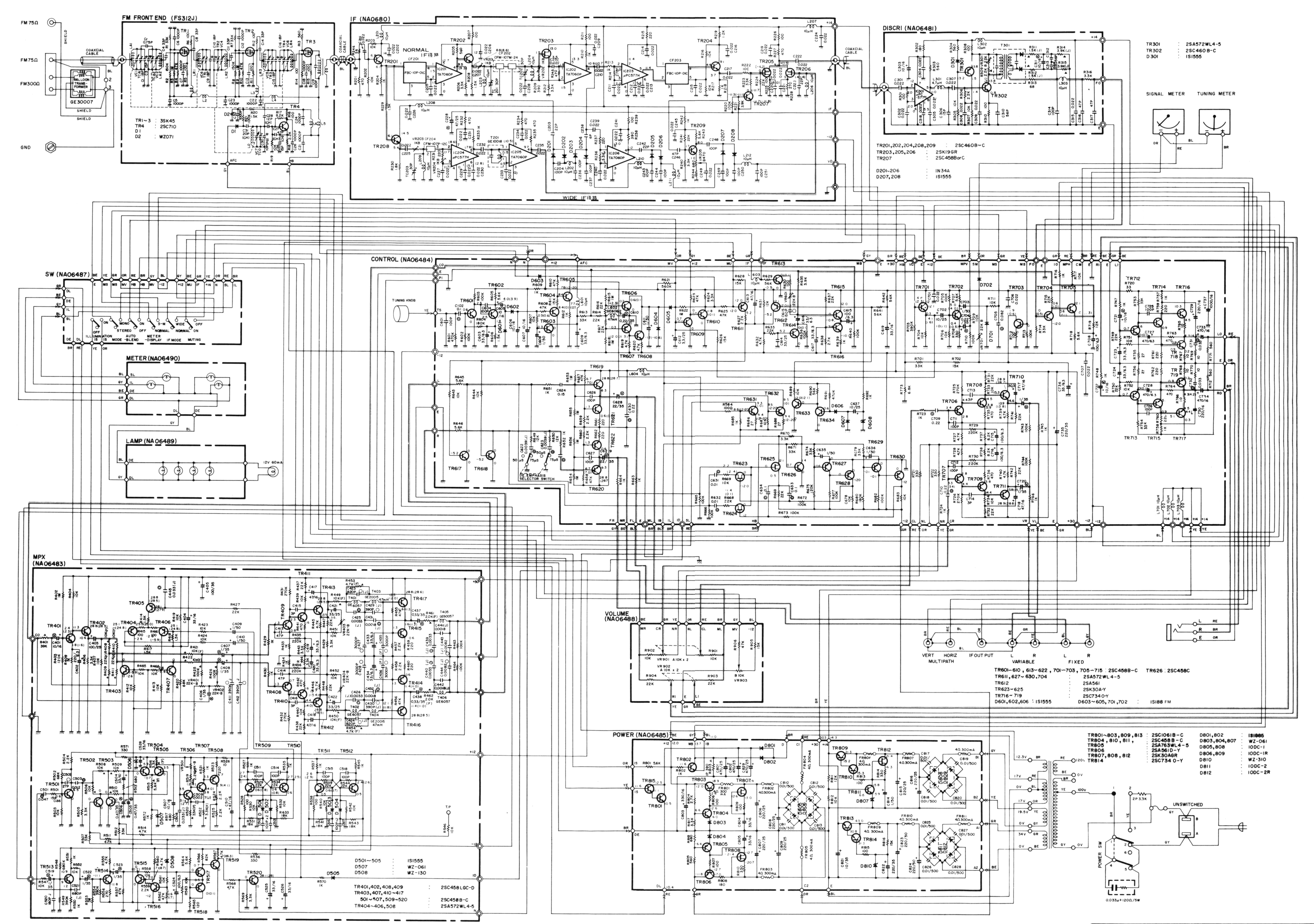
Description: Schematics illustrate the everyday. Our routine interactions are filled with electronic components, comprised of both digital and analog systems. Circuitry serves as the framework for the daily tasks involved in manipulating and reproducing societal functions. It forms the essential foundation of modern social mediation. Conductors, resistors, current, voltage, amps, and Ohms represent the key terminology in this field.
The schematic representation of electronic circuits is fundamental to understanding how various components interact within a system. In a typical circuit, conductors serve as pathways for electrical current, allowing the flow of electrons from one point to another. Resistors are crucial for controlling the amount of current that passes through a circuit, thereby protecting sensitive components from damage due to excessive current. The relationship between voltage, current, and resistance is described by Ohm's Law (V = IR), which is a cornerstone principle in circuit analysis.
In addition to resistors, other passive components such as capacitors and inductors play significant roles in circuit functionality. Capacitors store and release electrical energy, influencing the timing and frequency response of a circuit, while inductors are used to store energy in a magnetic field, which is essential in applications like filters and oscillators.
Active components, including transistors and integrated circuits, further enhance circuit capabilities. Transistors act as switches or amplifiers, enabling complex operations such as signal processing and digital computation. Integrated circuits combine multiple components into a single chip, allowing for miniaturization and increased functionality in electronic devices.
Understanding the interplay between these components is vital for designing effective circuits that meet specific performance criteria. The analysis of circuit behavior often involves techniques such as nodal analysis and mesh analysis, which help in determining voltages and currents at various points in the circuit. Simulation software can also be employed to model circuit behavior before physical implementation, allowing for optimization and troubleshooting.
In summary, schematics serve as a vital tool in the field of electronics, representing the intricate relationships between components and facilitating the design and analysis of circuits that underpin modern technology and society.Schematics map the everyday. Our mundane yet gingerly interactions are inundated by the electronic, constituted by the digital and the analog. Circuitry is the river system for the daily task of manipulating and reproducing society. It is the undisputed bedrock of contemporary social mediation. Conductors, resistors, current, voltage, amps, Ohms -- this is the vocabulary.
The schematic representation of electronic circuits is fundamental to understanding how various components interact within a system. In a typical circuit, conductors serve as pathways for electrical current, allowing the flow of electrons from one point to another. Resistors are crucial for controlling the amount of current that passes through a circuit, thereby protecting sensitive components from damage due to excessive current. The relationship between voltage, current, and resistance is described by Ohm's Law (V = IR), which is a cornerstone principle in circuit analysis.
In addition to resistors, other passive components such as capacitors and inductors play significant roles in circuit functionality. Capacitors store and release electrical energy, influencing the timing and frequency response of a circuit, while inductors are used to store energy in a magnetic field, which is essential in applications like filters and oscillators.
Active components, including transistors and integrated circuits, further enhance circuit capabilities. Transistors act as switches or amplifiers, enabling complex operations such as signal processing and digital computation. Integrated circuits combine multiple components into a single chip, allowing for miniaturization and increased functionality in electronic devices.
Understanding the interplay between these components is vital for designing effective circuits that meet specific performance criteria. The analysis of circuit behavior often involves techniques such as nodal analysis and mesh analysis, which help in determining voltages and currents at various points in the circuit. Simulation software can also be employed to model circuit behavior before physical implementation, allowing for optimization and troubleshooting.
In summary, schematics serve as a vital tool in the field of electronics, representing the intricate relationships between components and facilitating the design and analysis of circuits that underpin modern technology and society.Schematics map the everyday. Our mundane yet gingerly interactions are inundated by the electronic, constituted by the digital and the analog. Circuitry is the river system for the daily task of manipulating and reproducing society. It is the undisputed bedrock of contemporary social mediation. Conductors, resistors, current, voltage, amps, Ohms -- this is the vocabulary.
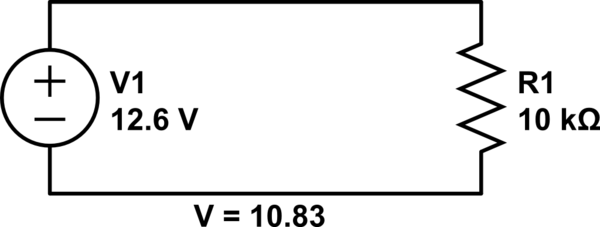
voltage Calculating current in a simple circuit
Connect a 12V fan to this circuit that consumes 70mA (0.07A), ensuring the circuit can supply at least that amount of current. There appears to be a misunderstanding regarding the analysis. The voltage drop across the resistor equals the voltage...
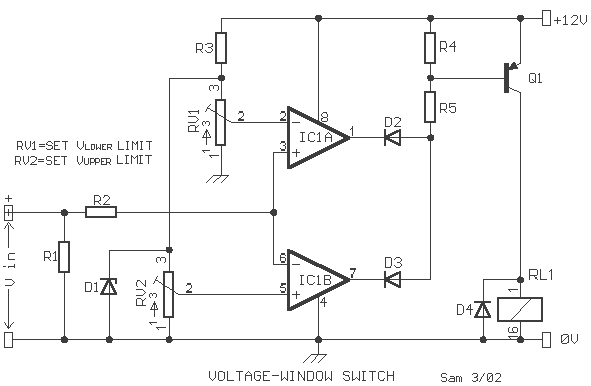
Voltage window switch
A voltage window switch is in practice the basic lower window limit of this circuit is roughly 3V and the upper limit is 9V. The window range can be extended by fitting a suitable range
Part List
R1-2=10Kohm D1=9V1/ 0.5W Zener IC1=TL072...
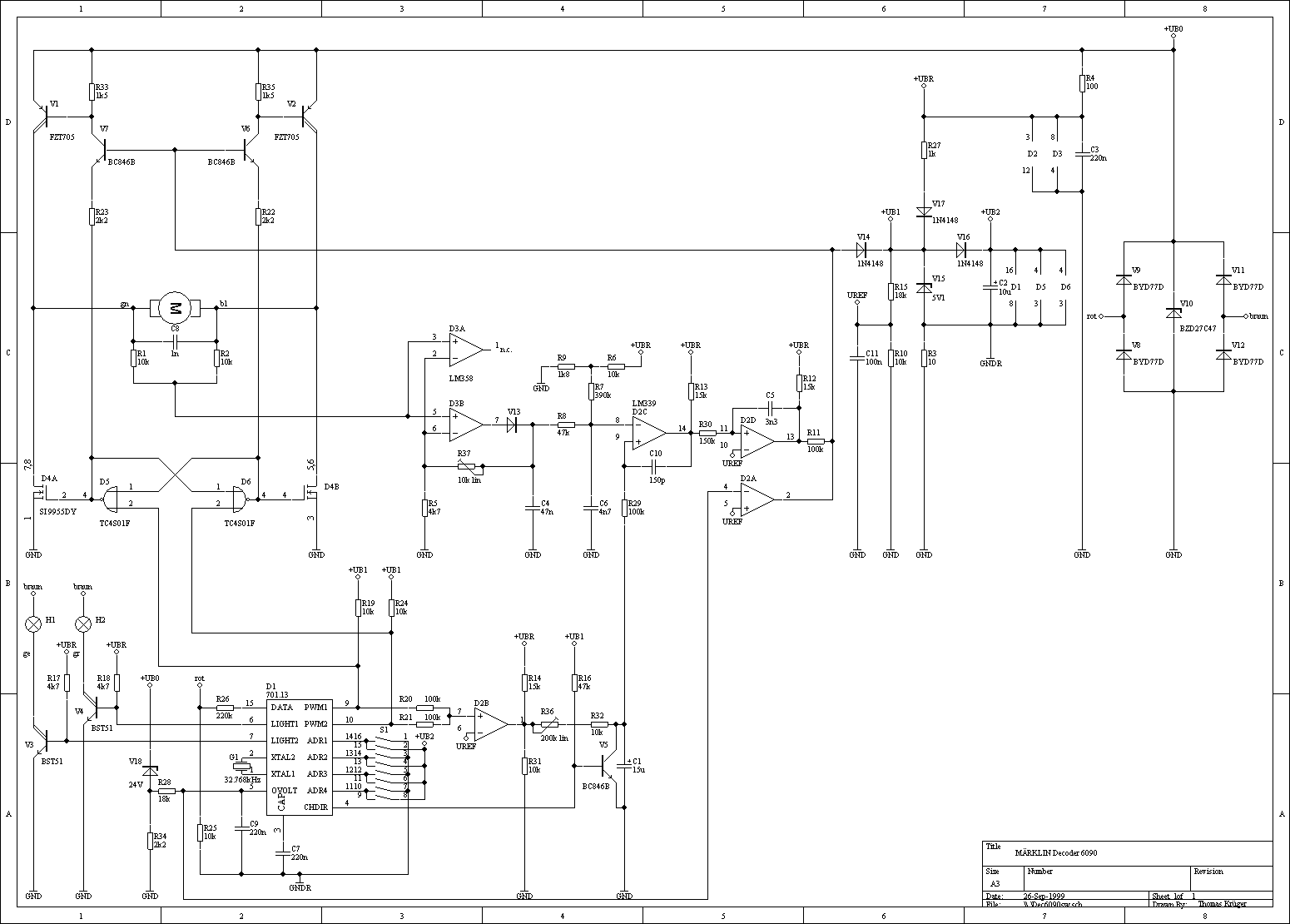
The 6090 Digital Decoder
This is an image Schematic. No Description available.
The provided input indicates that there is a schematic image, but no additional descriptive information is available regarding its components, functionality, or application. In the context of electronic schematics, such images typically...
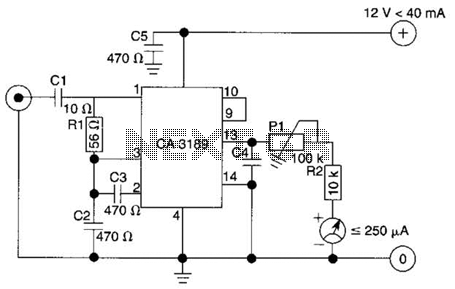
Simple Digital Logic Probe Circuit
The design of the digital logic probe centers around a pair of complementary bipolar transistors, which, in this application, are used as electronic switches.
The digital logic probe is a diagnostic tool utilized for testing and analyzing digital circuits. The core...
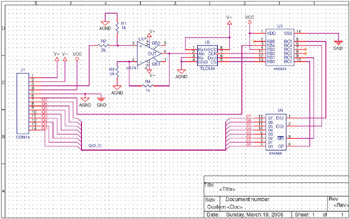
mixed-analog-digital-design
Mixed Analog/Digital Design Using Split Power and Ground Planes. The following example illustrates the design of a circuit that incorporates both analog and digital components. It features multiple power planes and a single ground plane that is divided into analog...
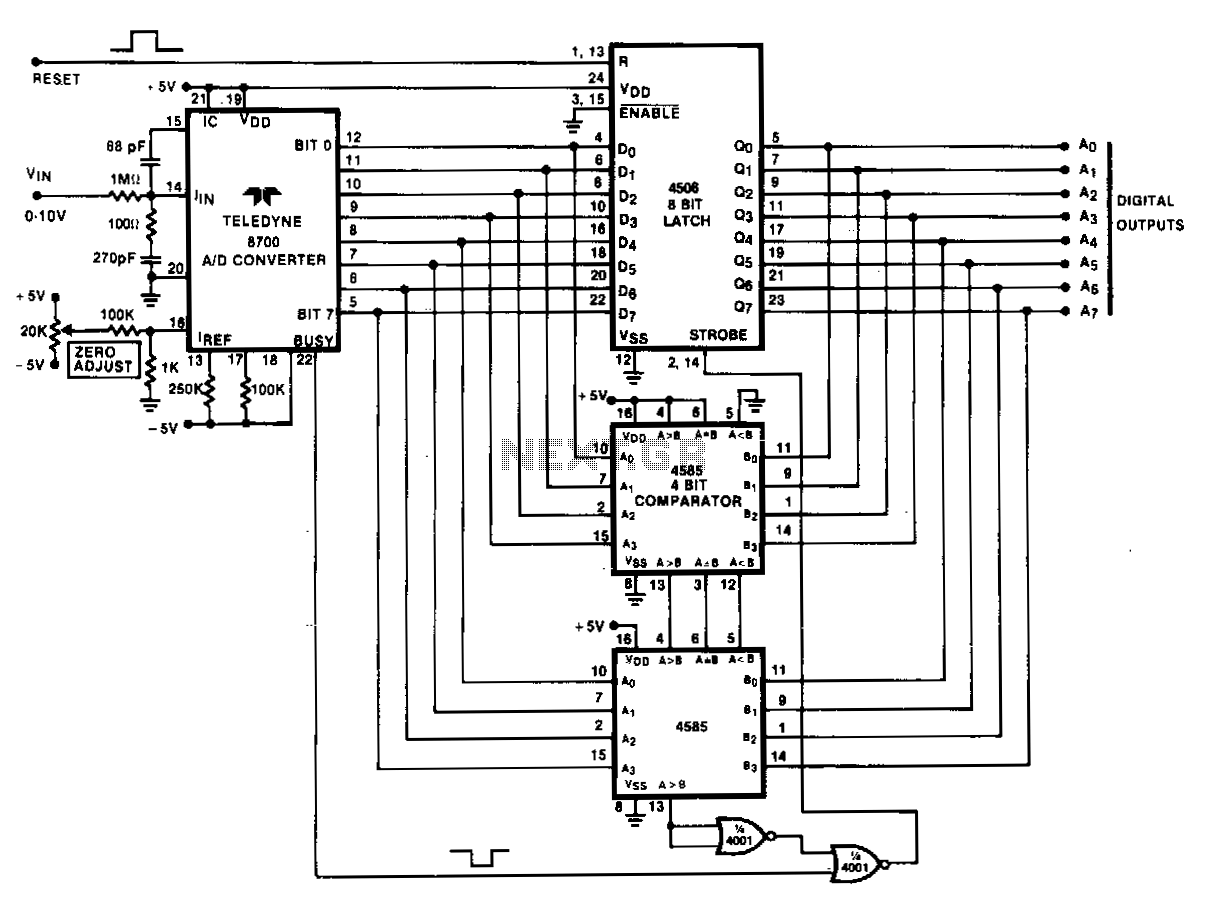
Analog-peak-detector-with-digital-hold
Analog peak detection is achieved by repeatedly measuring the input signal with an A/D converter and comparing the current reading with the previous reading. If the current reading is larger than the previous one, the current reading is stored in...
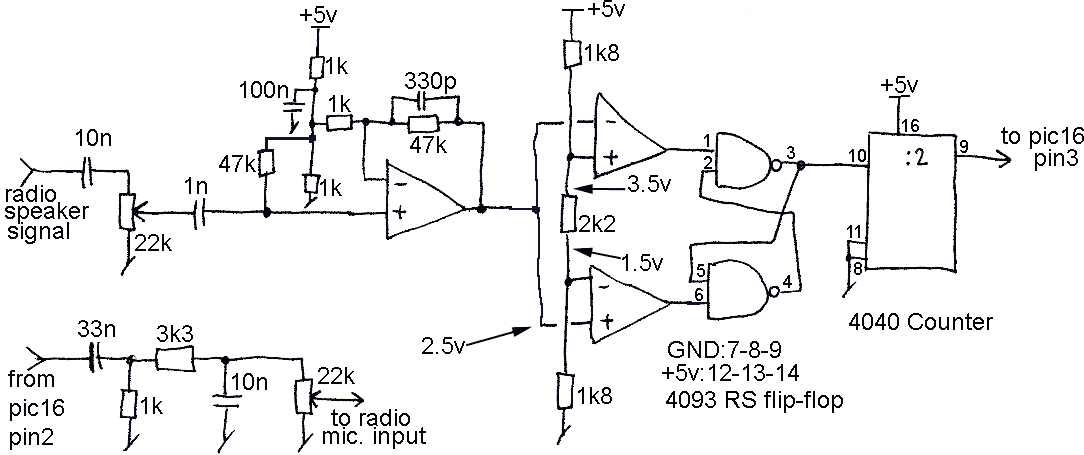
Homemade Digital CALL-ID English Version
The reason for this project was to facilitate a quick installation for a local friend 10 km away, enabling the start of real-life testing to identify and resolve bugs and problems before releasing it to other users. The software is...
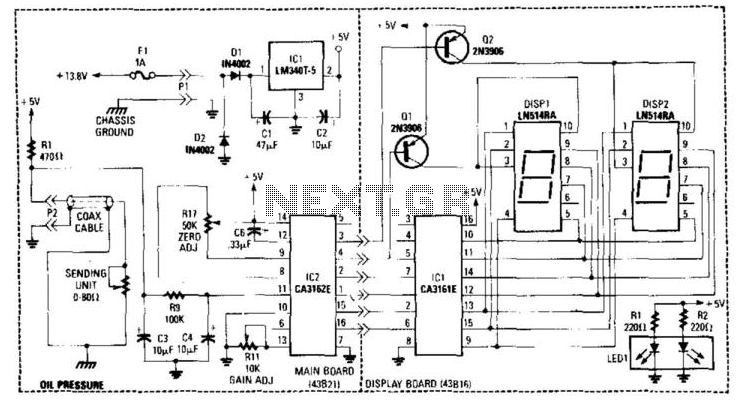
Digital Oil-Pressure Gauge
This gauge utilizes a sensor along with resistor R1 to generate a DC voltage that is proportional to oil pressure. Integrated circuits IC1 and IC2 form a two-digit digital voltmeter (DVM). Transistors Q1 and Q2 act as display selectors for...
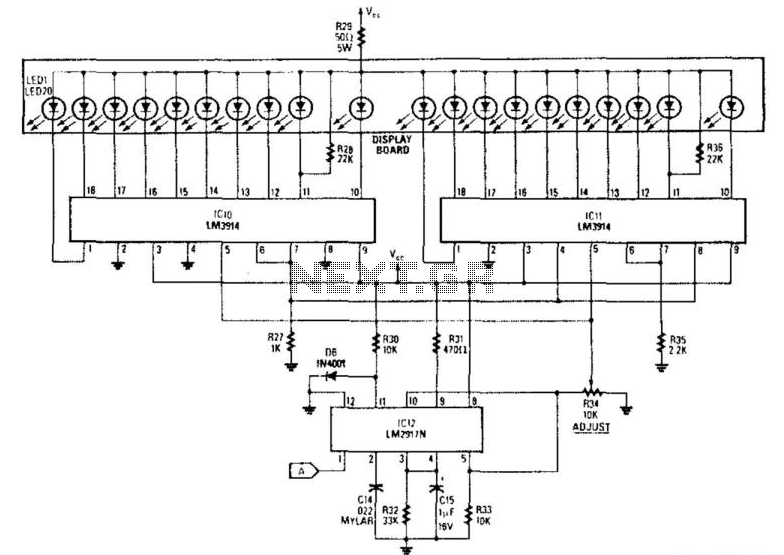
Analog Tachometer Readout
The analog display consists of a frequency/voltage converter (IC12) and bar-graph segment drivers IC10 and IC11. More: R34 is the calibration adjustment and is set so that an engine rpm of 5 000 to 7000 rpm lights the first LED...