


PULSE MAGNETIC THERAPY
#pulse therapy
#magnetic therapy
#Royal Rife
#frequency generator
#ultrasound
#pathogen
#microbe
#medical device
#frequency therapy
#bioelectronics
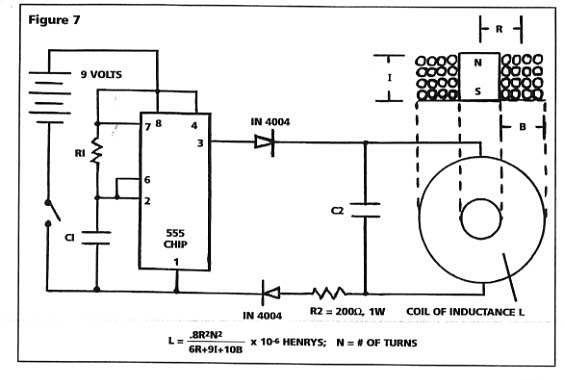
Description: Utilizing technology developed by Dr. Royal Rife, Gary Wade has created an ultrasound scanning device that effectively eliminates harmful microbes and pathogens through the application of multiple frequencies. Numerous articles on this site provide detailed information on this topic.
The ultrasound scanning rife device operates on the principles of frequency resonance, where specific frequencies are targeted to disrupt the cellular structures of harmful microorganisms. This device is designed to emit ultrasound waves that can penetrate biological tissues, allowing for the selective targeting of pathogens while minimizing damage to surrounding healthy cells.
The device typically consists of several key components, including a frequency generator, ultrasound transducer, and a control interface. The frequency generator produces a range of frequencies that can be adjusted based on the type of pathogen being targeted. The ultrasound transducer converts these electrical signals into mechanical vibrations, creating ultrasound waves that propagate through the medium.
In operation, the device is calibrated to emit frequencies that correspond to the resonant frequencies of specific pathogens. When these frequencies are applied, they induce mechanical stress on the microbial cells, leading to their disruption and eventual destruction. This method of pathogen elimination is non-invasive and can be applied in various medical and therapeutic settings.
In addition to its primary function, the device may incorporate safety features such as automatic shut-off mechanisms and user-friendly interfaces to allow for easy operation by healthcare professionals. The effectiveness of the device can be enhanced through ongoing research and development, focusing on optimizing frequency ranges and improving the efficiency of ultrasound delivery.
Overall, the ultrasound scanning rife device represents an innovative approach to microbial control, leveraging advanced technology to address health challenges associated with pathogenic infections.Using technology developed by Dr. Royal Rife, Gary Wade has invented an ultrasound scanning rife device that kills harmful microbes and pathogens with multiple frequencies. Many articles on this site tell how..
The ultrasound scanning rife device operates on the principles of frequency resonance, where specific frequencies are targeted to disrupt the cellular structures of harmful microorganisms. This device is designed to emit ultrasound waves that can penetrate biological tissues, allowing for the selective targeting of pathogens while minimizing damage to surrounding healthy cells.
The device typically consists of several key components, including a frequency generator, ultrasound transducer, and a control interface. The frequency generator produces a range of frequencies that can be adjusted based on the type of pathogen being targeted. The ultrasound transducer converts these electrical signals into mechanical vibrations, creating ultrasound waves that propagate through the medium.
In operation, the device is calibrated to emit frequencies that correspond to the resonant frequencies of specific pathogens. When these frequencies are applied, they induce mechanical stress on the microbial cells, leading to their disruption and eventual destruction. This method of pathogen elimination is non-invasive and can be applied in various medical and therapeutic settings.
In addition to its primary function, the device may incorporate safety features such as automatic shut-off mechanisms and user-friendly interfaces to allow for easy operation by healthcare professionals. The effectiveness of the device can be enhanced through ongoing research and development, focusing on optimizing frequency ranges and improving the efficiency of ultrasound delivery.
Overall, the ultrasound scanning rife device represents an innovative approach to microbial control, leveraging advanced technology to address health challenges associated with pathogenic infections.Using technology developed by Dr. Royal Rife, Gary Wade has invented an ultrasound scanning rife device that kills harmful microbes and pathogens with multiple frequencies. Many articles on this site tell how..

Precision Metronome/Pitch
Precision Frequency generator 1 to 999 Hz Precision Metronome 1 to 999 beats per minute. CMos IC1 and IC2B quad AND gate form a 2.4576 MHz crystal oscillator plus a 2400 times divider. IC3A provides further division by 16, delivering...
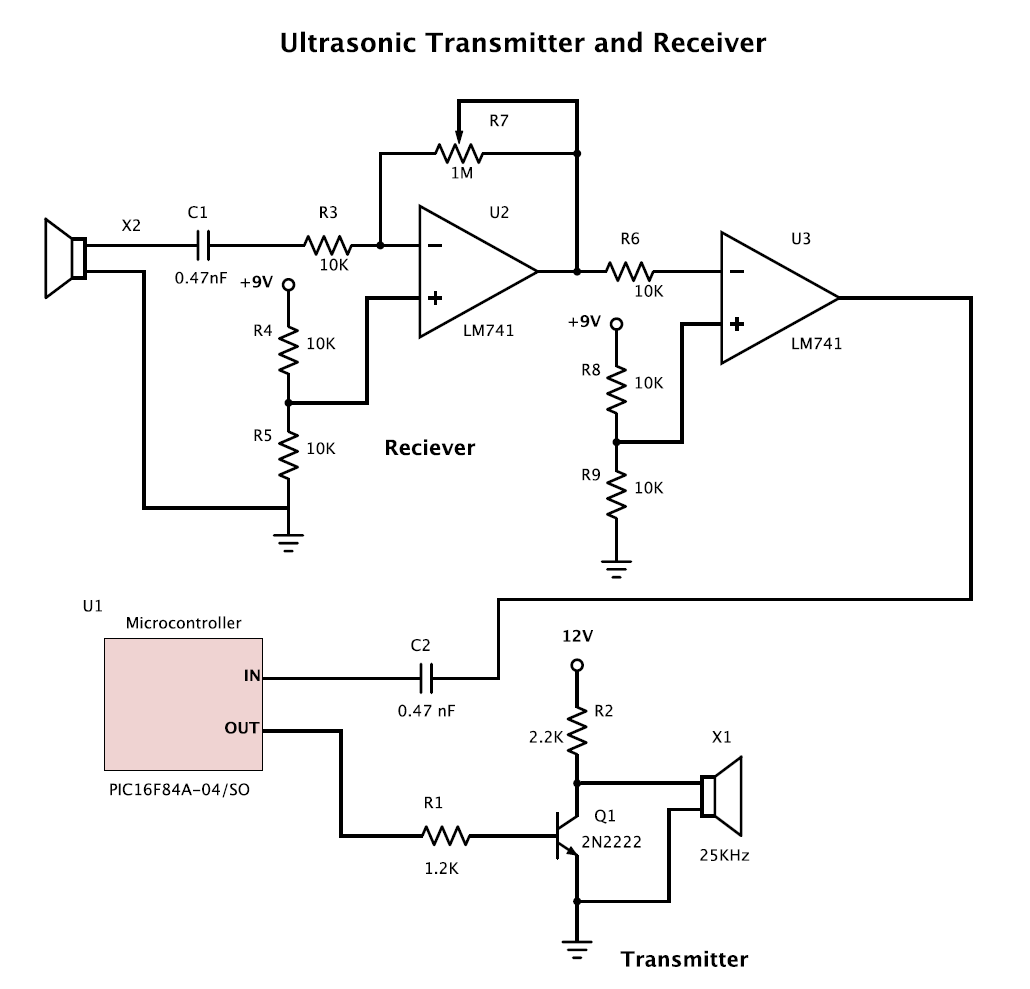
25 kHz Ultrasound Transducer
The goal is to create two circuits: one transmitter and one receiver for ultrasound applications. A pair of 25 kHz transmitter and receiver units is already available.
To design an ultrasound transmitter and receiver circuit operating at 25 kHz, the following...
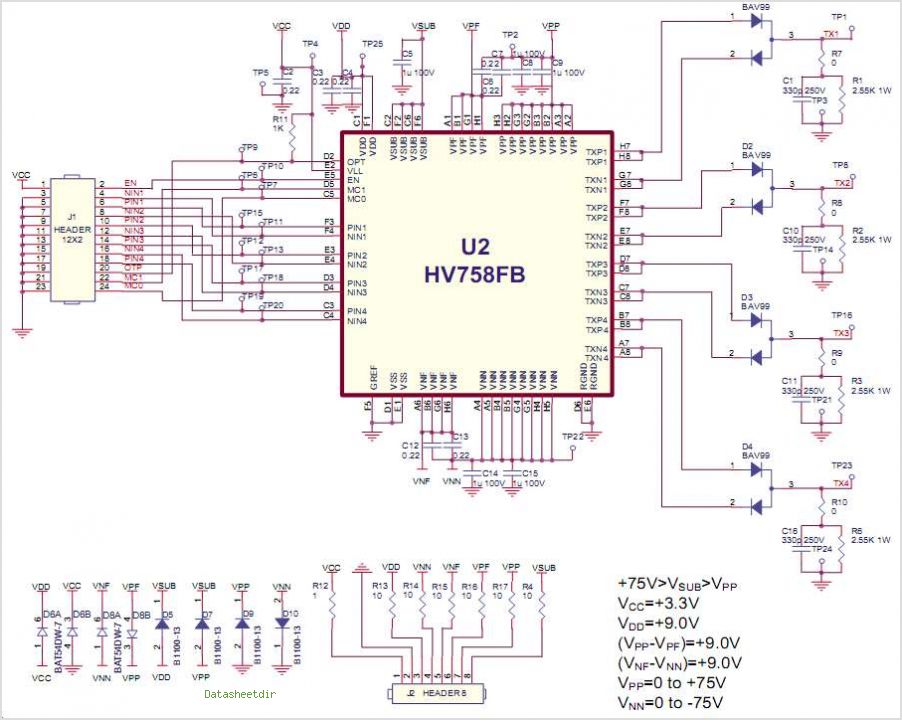
Ultrasound Pulser
The Smart Ballast IC is designed to control a fluorescent lamp ballast, including a Discontinuous Conduction Mode Power Factor Correction (PFC), lamp inverter control, and a high voltage level shift half-bridge driver. The application requires a minimum number of external...
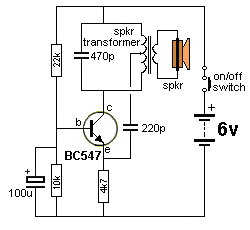
oscillator
An oscillator is a circuit that generates a frequency source such as a sine wave, square wave, or pulse train. It combines a frequency-sensitive circuit, like an LC circuit or a crystal, with a negative resistance typically provided by an...

Circuit Diagram Of 60 Hz Frequency Signal Generator
The following circuit illustrates a stable 60 Hz frequency signal generator circuit diagram. Features include a 0.068 µF capacitor incorporated within a feedback loop, allowing for DC-to-AC conversion.
This circuit is designed to generate a stable 60 Hz sine wave output,...

Hear with Ultrasound Using Flanagan Neurophone
By mixing an audio signal with ultrasound, it is possible to perceive the audio as if it originates from within the head, even when the 'headphones' are positioned far from the ears. Patrick Flanagan invented the "Neurophone" over 40 years...
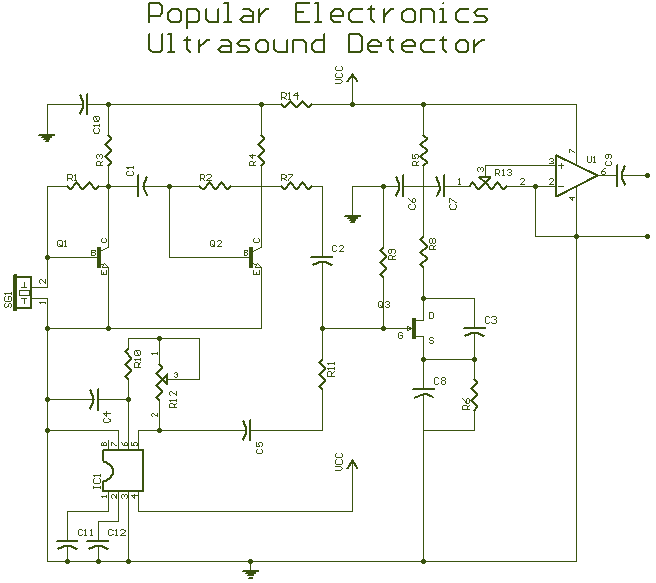
Ultrasound Detector with 567PLL and LM386 ICs
The bat ultrasounds are picked up by the microphone SPKR1 and go through two stages of amplification at Q1 and Q2. Separately, a tunable (R12) single frequency is produced by the LM567 oscillator U1. The LM567 is a tone decoder...

Hv739 Ultrasound Pulser Demo Board
This demo board data sheet explains how to utilize the HV758DB1 to produce a fundamental high voltage pulse waveform for use as an ultrasound transmitting pulser. The HV758 circuit employs a DC coupling method in all level translators, eliminating the...

Frequency Generator:
Building your own Zapper. It requires one capacitor of 1 microfarad (C2), preferably unpolarized to eliminate concerns regarding positive and negative terminals. If a polarized capacitor is used, the longer leg indicates the positive side; refer to the schematic for...