


SR 193 / SR193
#ferrite cores
#electrical parameters
#Russian forum
#SR193
#warming
#electronics discussion
#component analysis
#forum reference
#technical discussion
#component behavior
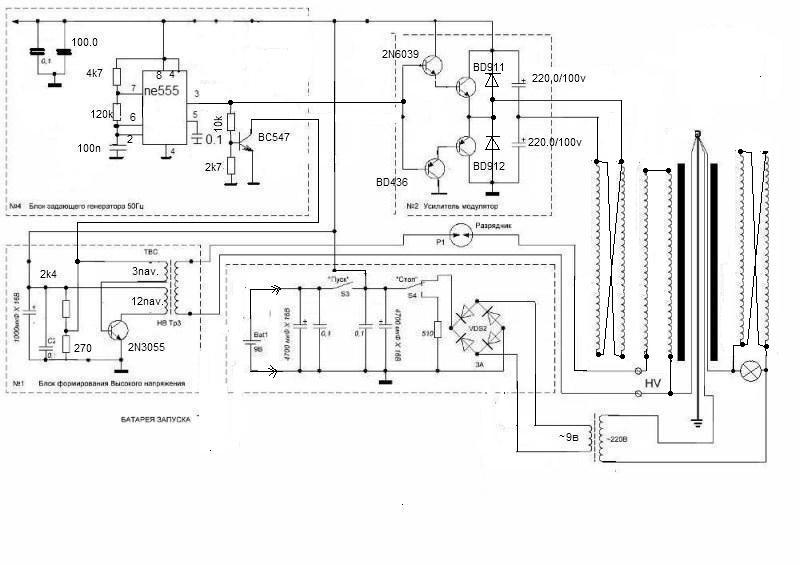
Description: According to a Russian forum, the SR193 involves the heating of ferrite cores. Source: Next Energy Forum.
The SR193 is a specialized component that utilizes ferrite cores, which are critical in various electronic applications, particularly in inductors and transformers. The heating of ferrite cores during operation can significantly affect their performance and efficiency. Ferrites are ceramic compounds composed of iron oxide mixed with other metals, providing high magnetic permeability and low electrical conductivity.
When ferrite cores are subjected to alternating magnetic fields, eddy currents may form within the material, leading to resistive losses that manifest as heat. This phenomenon is known as hysteresis loss, which occurs due to the lag between the magnetization and the magnetic field. The extent of heating can be influenced by several factors, including the frequency of operation, the material composition of the ferrite, and the geometry of the core.
In applications where the SR193 is implemented, it is essential to monitor the temperature of the ferrite cores to prevent overheating, which can lead to degradation of the material properties and ultimately failure of the component. Adequate thermal management strategies, such as the use of heat sinks or thermal insulation, may be required to maintain optimal operating conditions.
Understanding the thermal characteristics of ferrite cores in the context of the SR193 is crucial for designing reliable and efficient electronic circuits. Proper selection of ferrite materials and core shapes can minimize losses and enhance the overall performance of the system.According to this Russian forum, the SR193 involves warming of the ferrite cores. See Electrical Parameters of Ferrites Source: Next Energy Forum,..
The SR193 is a specialized component that utilizes ferrite cores, which are critical in various electronic applications, particularly in inductors and transformers. The heating of ferrite cores during operation can significantly affect their performance and efficiency. Ferrites are ceramic compounds composed of iron oxide mixed with other metals, providing high magnetic permeability and low electrical conductivity.
When ferrite cores are subjected to alternating magnetic fields, eddy currents may form within the material, leading to resistive losses that manifest as heat. This phenomenon is known as hysteresis loss, which occurs due to the lag between the magnetization and the magnetic field. The extent of heating can be influenced by several factors, including the frequency of operation, the material composition of the ferrite, and the geometry of the core.
In applications where the SR193 is implemented, it is essential to monitor the temperature of the ferrite cores to prevent overheating, which can lead to degradation of the material properties and ultimately failure of the component. Adequate thermal management strategies, such as the use of heat sinks or thermal insulation, may be required to maintain optimal operating conditions.
Understanding the thermal characteristics of ferrite cores in the context of the SR193 is crucial for designing reliable and efficient electronic circuits. Proper selection of ferrite materials and core shapes can minimize losses and enhance the overall performance of the system.According to this Russian forum, the SR193 involves warming of the ferrite cores. See Electrical Parameters of Ferrites Source: Next Energy Forum,..