


sinewave
#ESP
#sinewave
#signal generation
#waveform
#frequency
#microcontroller
#electronics
#circuit design
#signal processing
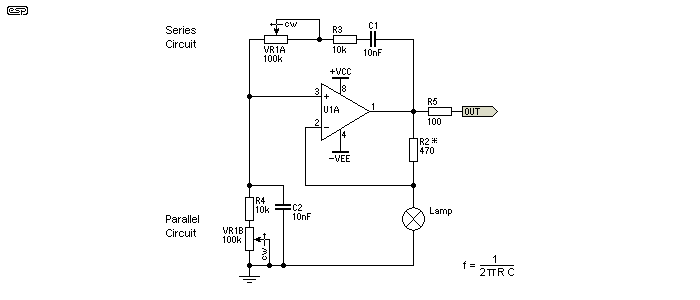
Description: ESP - Sinewave generation principles. While this should be a simple enough exercise, it isn't, and this article explains why.
Sinewave generation is a fundamental aspect of various electronic applications, including signal processing, power generation, and communication systems. The principles of generating a sinewave can be approached through several methods, each with its unique characteristics and challenges.
One common method for sinewave generation is the use of oscillators, such as the Wien bridge oscillator or the phase-shift oscillator. These circuits typically utilize operational amplifiers (op-amps) to create a feedback loop that sustains oscillations at a specific frequency. The Wien bridge oscillator, for instance, employs a combination of resistors and capacitors to set the frequency of oscillation, while the feedback mechanism ensures that the output waveform is a sinewave.
Another approach involves the use of digital signal processors (DSPs) or microcontrollers, which can generate sinewaves through mathematical algorithms. By employing techniques such as direct digital synthesis (DDS), these devices can produce high-precision sinewaves with adjustable frequency and amplitude. This method is particularly advantageous in applications requiring precise control over signal parameters.
Furthermore, sinewave generation can also be achieved using analog methods, such as using a function generator or a signal generator, which can produce various waveforms, including sinewaves, with adjustable frequency and amplitude settings. These devices often incorporate internal circuits designed to shape the output waveform accurately.
Challenges in sinewave generation may arise from factors such as distortion, noise, and frequency stability. Distortion can occur due to non-linearities in the circuit components, while noise can affect the purity of the sinewave. Ensuring frequency stability is also crucial, especially in applications where timing is critical.
In summary, while sinewave generation may appear straightforward, it involves a range of techniques and considerations that can complicate the process. Understanding these principles is essential for designing effective electronic systems that rely on sinewave signals.ESP - Sinewave generation principles. While this should be a simple enough exercise, it isn`t, and this article explains why..
Sinewave generation is a fundamental aspect of various electronic applications, including signal processing, power generation, and communication systems. The principles of generating a sinewave can be approached through several methods, each with its unique characteristics and challenges.
One common method for sinewave generation is the use of oscillators, such as the Wien bridge oscillator or the phase-shift oscillator. These circuits typically utilize operational amplifiers (op-amps) to create a feedback loop that sustains oscillations at a specific frequency. The Wien bridge oscillator, for instance, employs a combination of resistors and capacitors to set the frequency of oscillation, while the feedback mechanism ensures that the output waveform is a sinewave.
Another approach involves the use of digital signal processors (DSPs) or microcontrollers, which can generate sinewaves through mathematical algorithms. By employing techniques such as direct digital synthesis (DDS), these devices can produce high-precision sinewaves with adjustable frequency and amplitude. This method is particularly advantageous in applications requiring precise control over signal parameters.
Furthermore, sinewave generation can also be achieved using analog methods, such as using a function generator or a signal generator, which can produce various waveforms, including sinewaves, with adjustable frequency and amplitude settings. These devices often incorporate internal circuits designed to shape the output waveform accurately.
Challenges in sinewave generation may arise from factors such as distortion, noise, and frequency stability. Distortion can occur due to non-linearities in the circuit components, while noise can affect the purity of the sinewave. Ensuring frequency stability is also crucial, especially in applications where timing is critical.
In summary, while sinewave generation may appear straightforward, it involves a range of techniques and considerations that can complicate the process. Understanding these principles is essential for designing effective electronic systems that rely on sinewave signals.ESP - Sinewave generation principles. While this should be a simple enough exercise, it isn`t, and this article explains why..
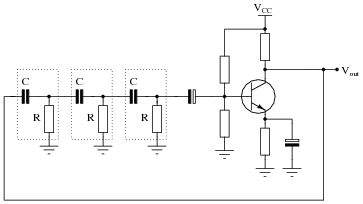
Oscillator circuits
For successful circuit-building exercises, follow these steps: Measure and record all component values before constructing the circuit, selecting resistor values that are sufficiently high to minimize the risk of damaging any active components. In case of significant errors (greater than...
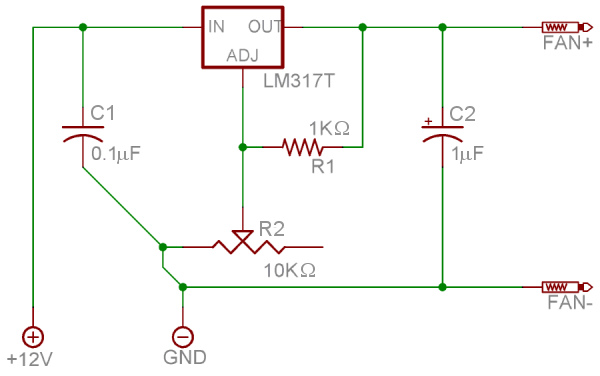
Robo Atmega328p project
This project was designed to introduce a friend to microcontrollers and circuits using various functionalities and spare parts. A PS2 numpad was utilized as the key entry mechanism, which was found at a thrift store and included the necessary connector....
Low Resource Microcontroller 3 Phase BLDC Motor Speed Controller
This article discusses a minimal resource microcontroller implementation for a three-phase Brushless DC (BLDC) motor, focusing on a closed-loop speed motor controller application based on a Microchip PIC12 device. It demonstrates how minimization techniques can reduce the number of I/O...
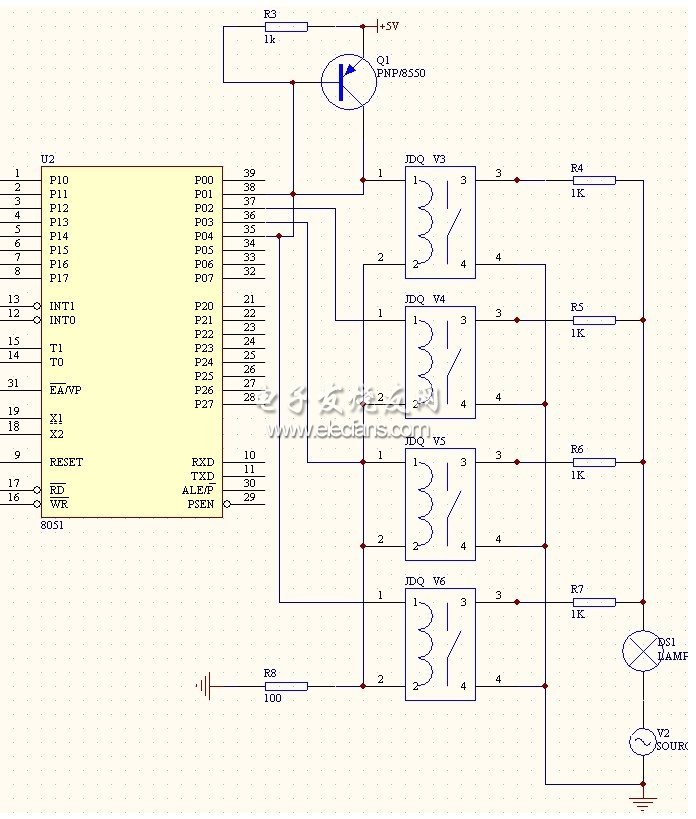
Cipher scheme of the module of infrared remote-control between two parties of intellectual family
This system is a control system based on a single-chip computer that allows for remote operation of lighting. The scheme primarily addresses the transmission and reception of signals, as well as program manipulation of various signals once they are processed...
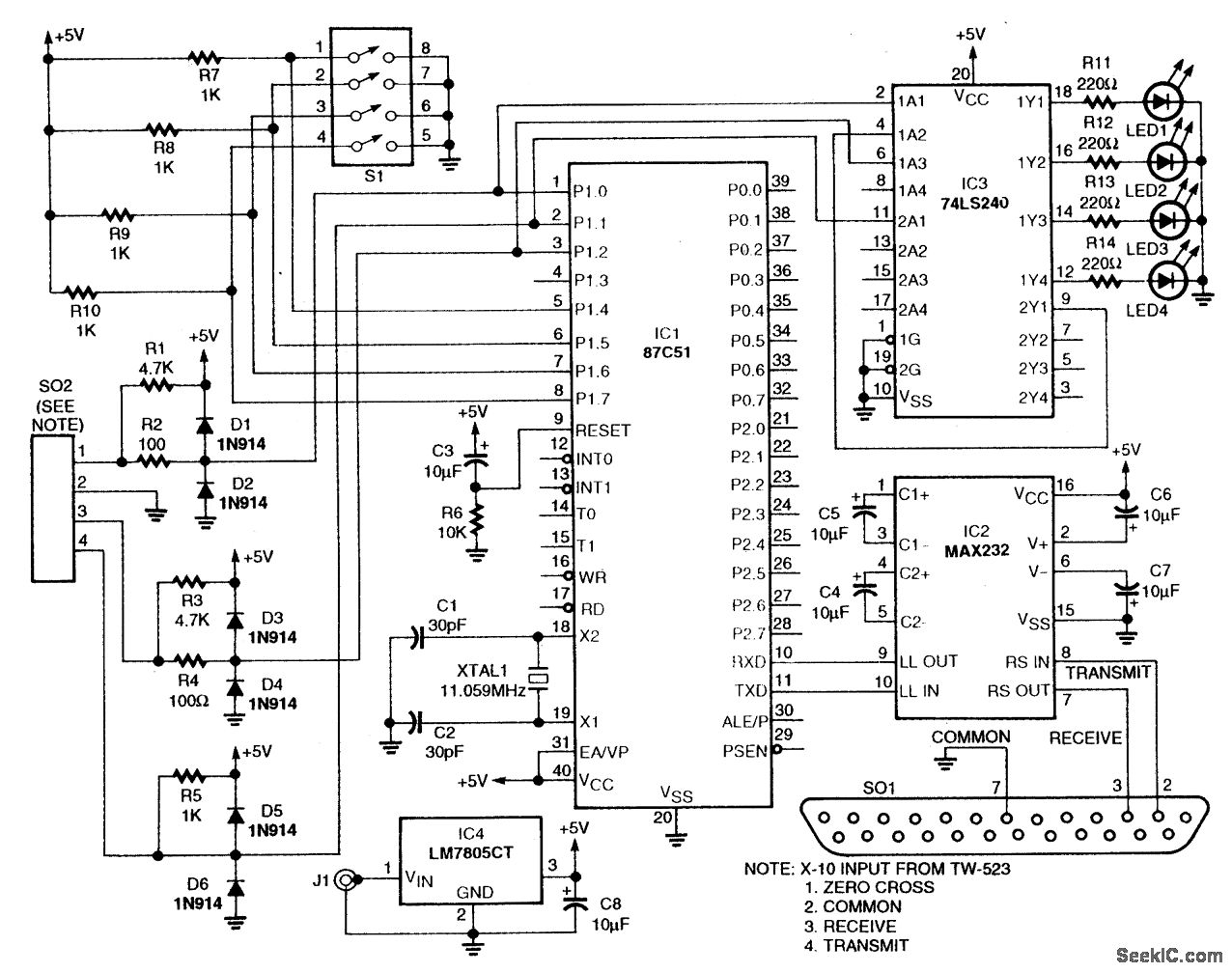
87C51 Selling Leads
This circuit utilizes an 87C57 microcontroller along with several peripherals to convert X-10 power-line carrier-code formats from a personal computer for use with an X-10 power-line interface in a home control system. Software details can be found in the reference....
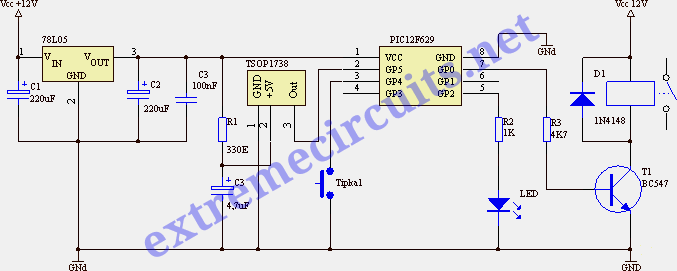
IR On/Off Switch Using Microcontroller
Turning electrical devices ON or OFF using a remote control is a well-established concept, with numerous devices available that perform this function effectively. To create such a device, it is necessary to construct a receiver and a transmitter, as well...
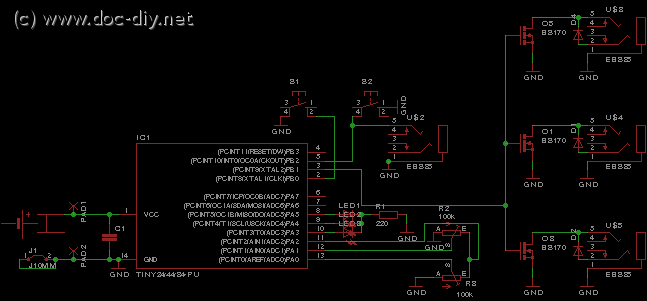
delay circuit for photography
This article outlines the construction of a simple microcontroller-based delay circuit designed for photographic applications such as drop or high-speed photography. It can control the trigger lag of cameras and flash units, generate periodic trigger pulses, or manage magnetic valves....
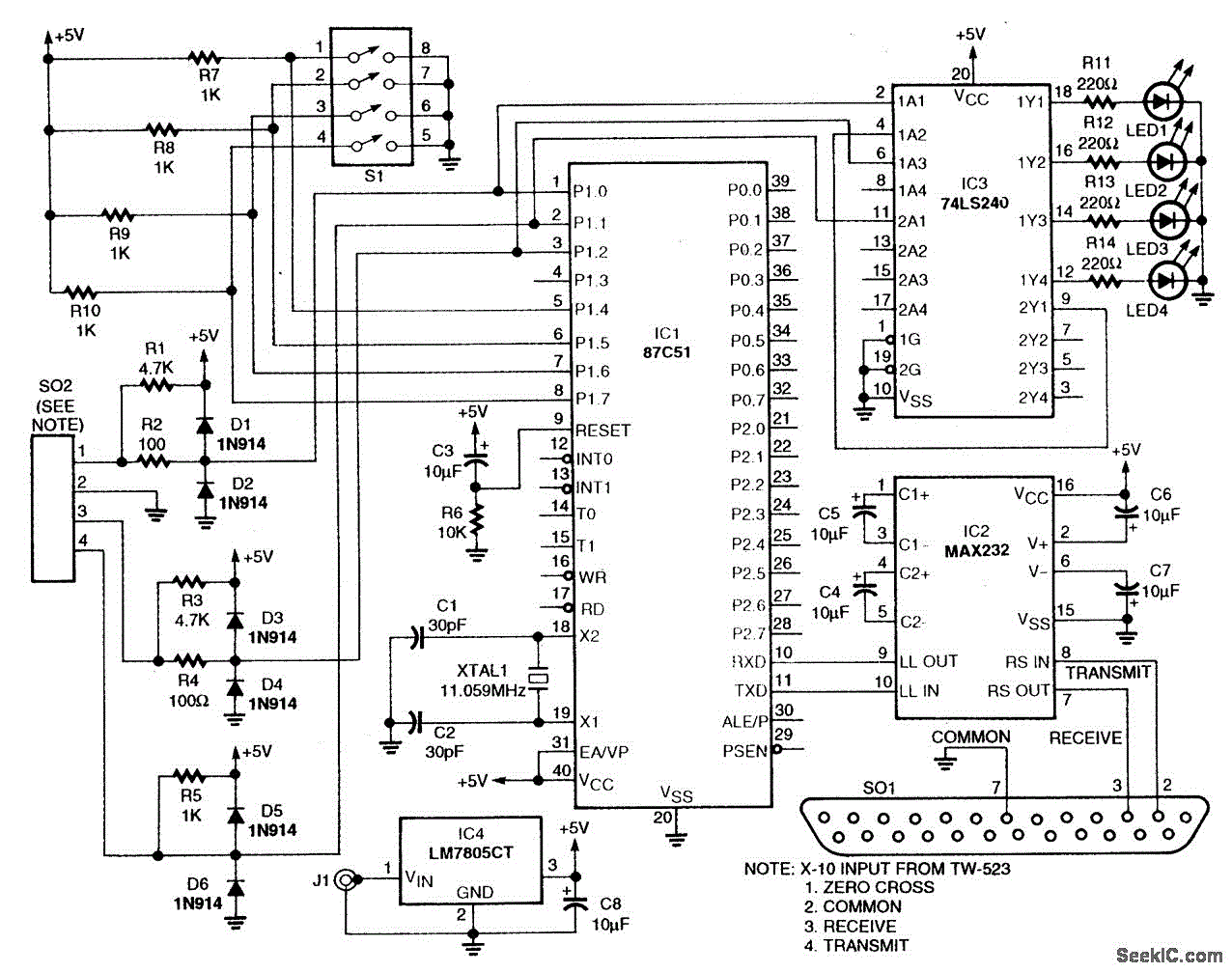
POWER LINE MODEM FOR COMPUTER CONTROL
This circuit employs an 87C57 microcontroller along with several peripherals to convert X-10 power-line carrier-code formats from a personal computer for use with an X-10 power-line interface in a home-control system. Software details can be found in the reference.
The circuit...
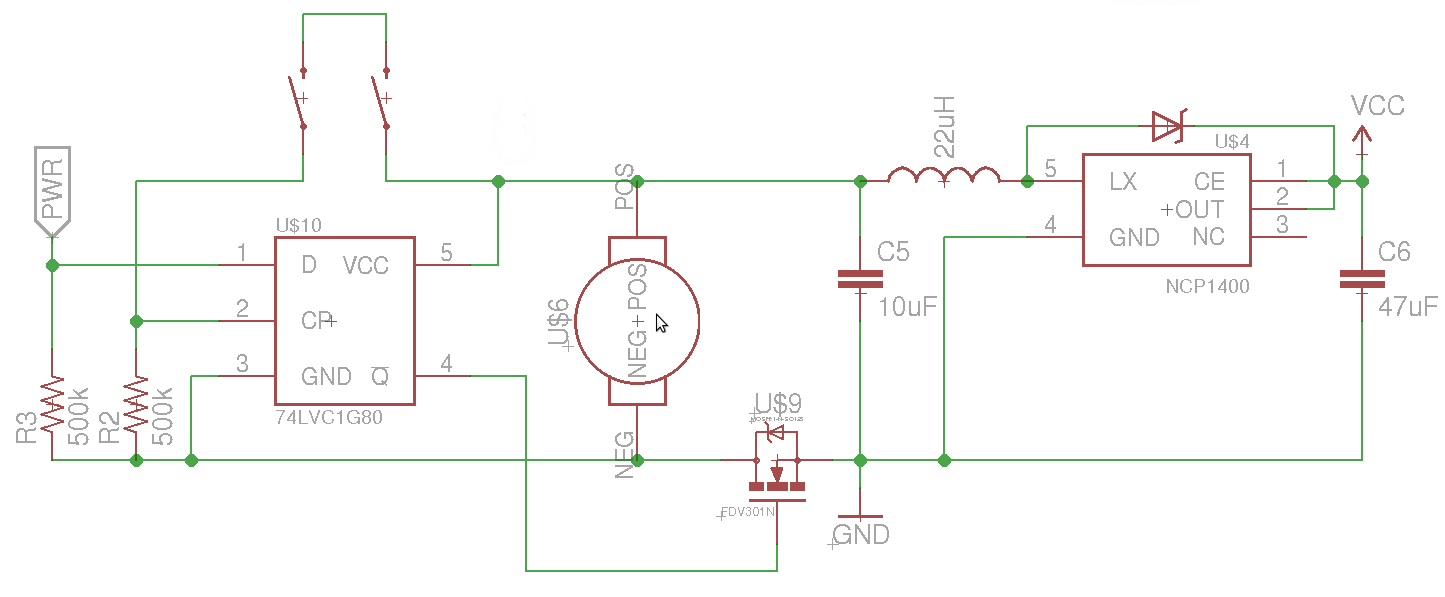
mosfet Turning a microcontroller on with a flip flop
The objective is to control the power to a load, specifically an 8051-based microcontroller (uC), using two switches. When the uC is powered on, it sets the PWR pin high. Upon pressing the switches again, pin 4 of the flip-flop...