


pid controller Building a temperature-controlled water bath
#PID controller
#temperature control
#water bath
#thyristor
#sensor
#feedback loop
#heating element
#low-cost
#DIY
#temperature sensor
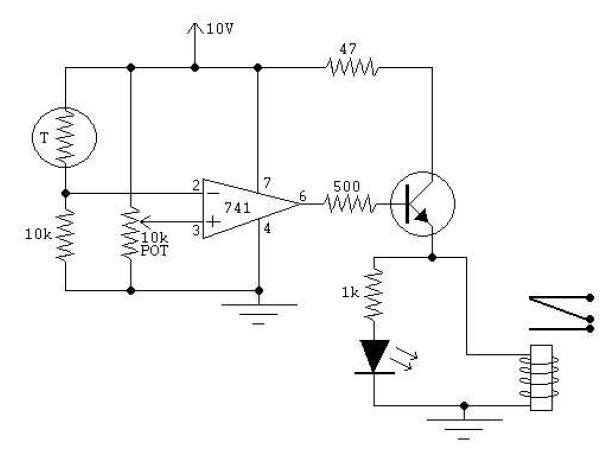
Description: There is no prior experience in building controllers, and there is uncertainty about how to begin. A budget constraint of less than 100 euros is present. A power thyristor is already available. The inquiry revolves around the best method to connect a sensor to a heating element. There is a need to construct or program a circuit for this purpose, and a decision must be made regarding whether to create an analog or digital circuit. The necessity of the thyristor is questioned, as an on/off regulation might suffice. Additionally, the ability to define water temperature is required.
To create a temperature control system using a power thyristor, a basic understanding of the components and their interactions is essential. The system will require a temperature sensor, such as a thermistor or a thermocouple, to measure the water temperature. This sensor will provide an analog or digital signal based on the temperature reading.
For an analog approach, a thermistor can be used, which varies its resistance with temperature. This resistance change can be converted to a voltage using a voltage divider circuit. The output voltage can then be fed into an operational amplifier configured as a comparator. The comparator will compare the voltage from the thermistor with a set reference voltage, which corresponds to the desired temperature. If the measured temperature falls below the set point, the output of the comparator will trigger the thyristor, allowing current to flow to the heating element. This configuration allows for continuous control of the heating element, adjusting the power as needed to maintain the desired temperature.
Alternatively, a digital circuit can be implemented using a microcontroller. The temperature sensor can be interfaced with the microcontroller, which will read the temperature data and execute a control algorithm. For example, a simple on/off control can be programmed, where the microcontroller turns the thyristor on when the temperature is below the set point and off when it reaches the desired temperature. This method allows for more flexibility and programmability, enabling the incorporation of features such as hysteresis to prevent rapid cycling of the heating element.
In both scenarios, the thyristor plays a crucial role in controlling the power delivered to the heating element. While an on/off regulation can work without the thyristor, using it allows for better control over the power output, especially in applications requiring precise temperature management. The choice between analog and digital solutions will depend on the complexity desired and the available components.
In summary, the system can be designed using either an analog or digital approach, utilizing a temperature sensor to monitor water temperature and a thyristor to control the heating element, all while staying within budget constraints.I have no experience whatsover with building controllers and have no clue on how to start. I don`t want to spend to much money on the project (< 100 ‚¬) thus money is an issue. The good thing is that I already have a power thyristor. My question is how I can best make the link between the sensor and the h eating element. I of course need to build/program a circuit that does this but do I make an analog or digital circuit I have a thyristor but is this really necessary or should an on/off regulation also work Don`t forget that I also should be able to define the water temperature.
To create a temperature control system using a power thyristor, a basic understanding of the components and their interactions is essential. The system will require a temperature sensor, such as a thermistor or a thermocouple, to measure the water temperature. This sensor will provide an analog or digital signal based on the temperature reading.
For an analog approach, a thermistor can be used, which varies its resistance with temperature. This resistance change can be converted to a voltage using a voltage divider circuit. The output voltage can then be fed into an operational amplifier configured as a comparator. The comparator will compare the voltage from the thermistor with a set reference voltage, which corresponds to the desired temperature. If the measured temperature falls below the set point, the output of the comparator will trigger the thyristor, allowing current to flow to the heating element. This configuration allows for continuous control of the heating element, adjusting the power as needed to maintain the desired temperature.
Alternatively, a digital circuit can be implemented using a microcontroller. The temperature sensor can be interfaced with the microcontroller, which will read the temperature data and execute a control algorithm. For example, a simple on/off control can be programmed, where the microcontroller turns the thyristor on when the temperature is below the set point and off when it reaches the desired temperature. This method allows for more flexibility and programmability, enabling the incorporation of features such as hysteresis to prevent rapid cycling of the heating element.
In both scenarios, the thyristor plays a crucial role in controlling the power delivered to the heating element. While an on/off regulation can work without the thyristor, using it allows for better control over the power output, especially in applications requiring precise temperature management. The choice between analog and digital solutions will depend on the complexity desired and the available components.
In summary, the system can be designed using either an analog or digital approach, utilizing a temperature sensor to monitor water temperature and a thyristor to control the heating element, all while staying within budget constraints.I have no experience whatsover with building controllers and have no clue on how to start. I don`t want to spend to much money on the project (< 100 ‚¬) thus money is an issue. The good thing is that I already have a power thyristor. My question is how I can best make the link between the sensor and the h eating element. I of course need to build/program a circuit that does this but do I make an analog or digital circuit I have a thyristor but is this really necessary or should an on/off regulation also work Don`t forget that I also should be able to define the water temperature.
Temperature and Humidity Logging Over Ethernet I
A project focused on temperature and humidity logging was undertaken a couple of years ago. During that project, temperature and humidity readings were collected in a basement laboratory over the span of a year. One significant limitation of the previous...

Offset + 2% - temperature coefficient temperature compensation circuit
The circuit of the easy-to-use LM3sDZ temperature detection system does not provide an adjusted output to obtain a 1 (hnV/°C) temperature change range if the temperature is between 0°C and a specified limit. The output voltage ranges from 0 to...
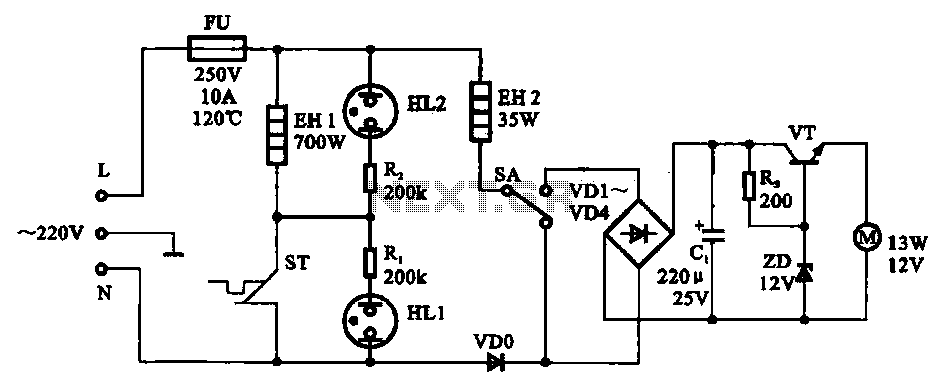
Electric thermos temperature detection control circuit
The electric thermos temperature detection control circuit is designed to monitor and manage the temperature within an electric thermos. It primarily consists of a control circuit for the boiler heater and heater insulation, an electrical magnetic pump motor drive circuit,...
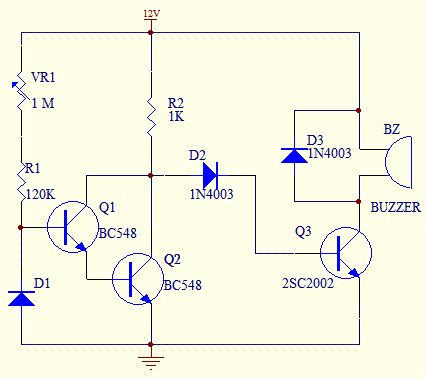
Temperature Switch Project
This temperature switch utilizes several discrete components to activate a buzzer when the ambient temperature rises. It is suitable for use as a straightforward fire alarm indicator.
The temperature switch circuit is designed to monitor environmental temperature changes and provide an...
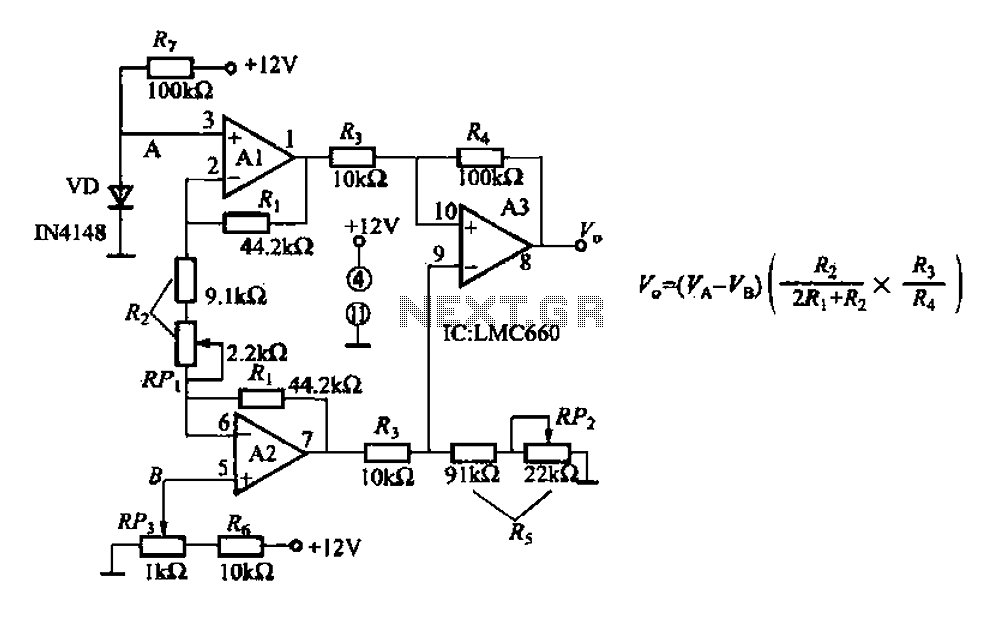
IN148 diode temperature measurement circuit
A diode IN4148 temperature circuit is presented. The circuit operates within a temperature range of -25 to 125 degrees Celsius, with an accuracy of 0.5. The core components of the operational amplifier circuit consist of four LMC660 amplifiers. It features...
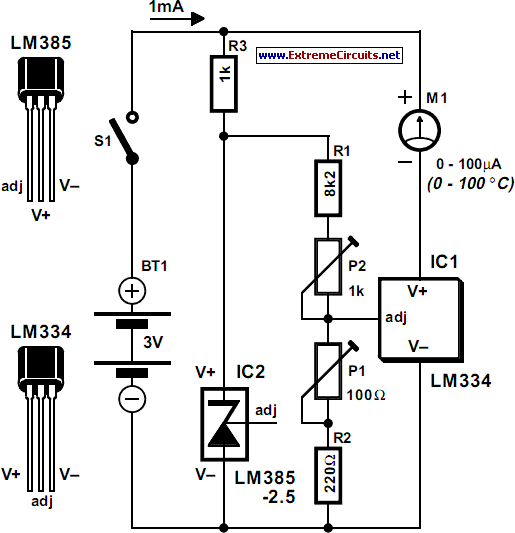
Celsius Thermometer
The circuit for the Celsius thermometer depicted in the diagram is based on the well-known LM334 type from National Semiconductor. This integrated circuit (IC) functions as a sensor that outputs a current directly proportional to the temperature in Kelvin (K)....
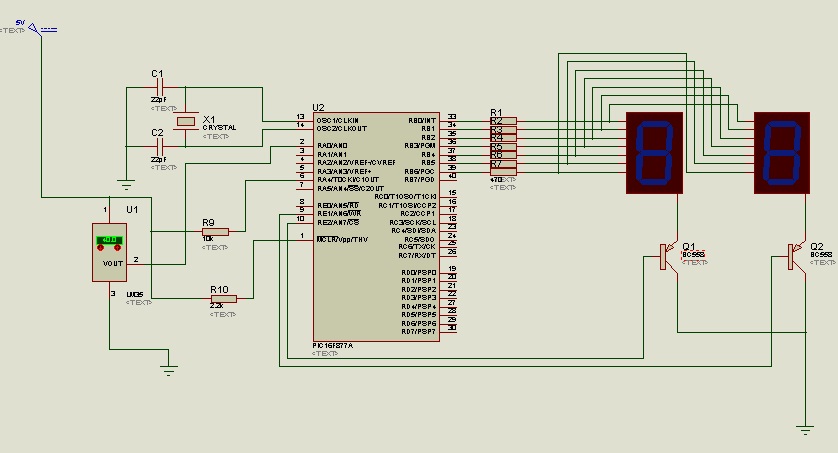
digital thermometer using lm35
A digital thermometer is utilized for measuring room temperature. This project serves as a foundational exercise for beginners to comprehend the functions of various pins on the PIC16F877A microcontroller. The design incorporates the analog-to-digital conversion (ADC) capabilities of the PIC16F877A...
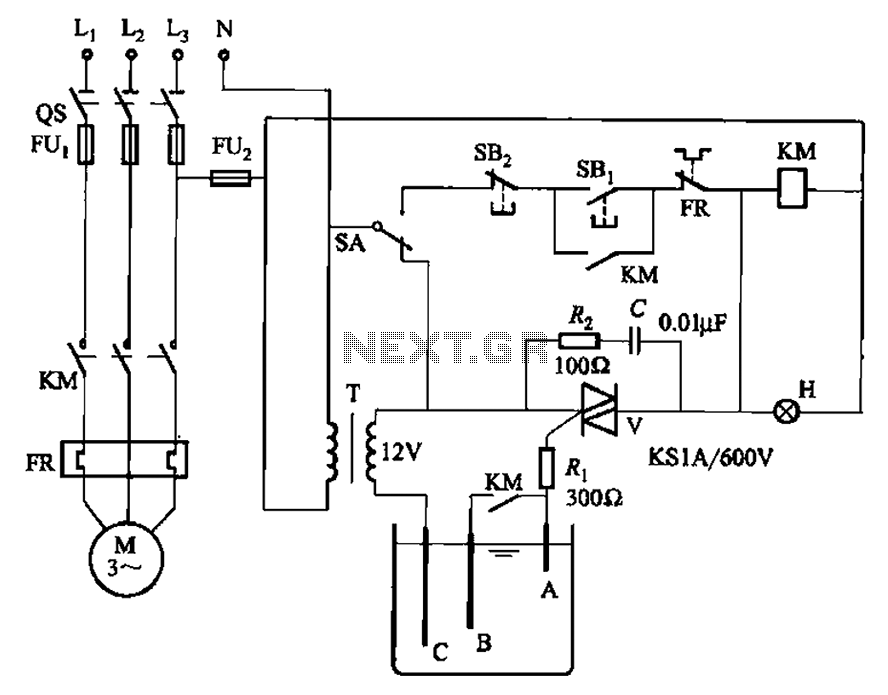
Thyristor-controlled three-level withdrawable circuits
Bidirectional thyristor control manages the trigger voltage output from the step-down transformer at 12V when the water activates the electrodes. It is part of a drawable circuit that regulates the level. The circuit includes a current-limiting resistor (Ri) to prevent...
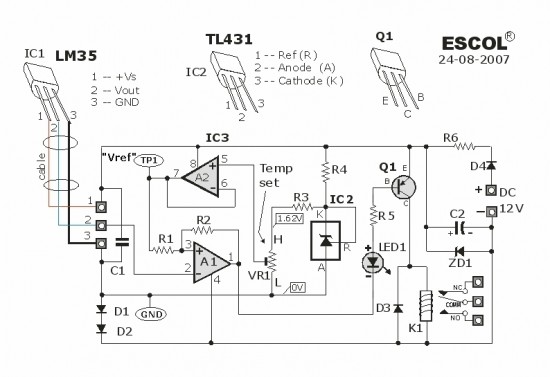
Temperature controlled relay circuit
This temperature-controlled relay circuit is a simple yet highly accurate thermal control circuit that can be used in applications requiring automatic temperature regulation.
The temperature-controlled relay circuit operates by monitoring the ambient temperature and activating or deactivating a connected load based...