


plant soil moisture tester circuit
#soil moisture
#LED indicator
#potentiometer
#3V battery
#simple circuit
#plant care
#moisture detection
#DIY project
#educational
#home automation
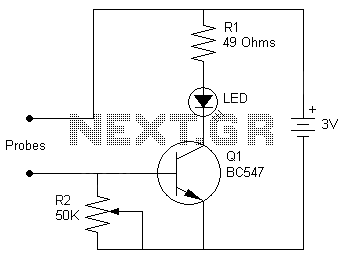
Description: This project involves a straightforward soil moisture detection circuit that utilizes only four components and operates with a 3-volt battery. The circuit is designed to identify the presence of moisture in the soil of any plant and activate an LED indicator. A potentiometer, labeled R2, is incorporated into the design to allow users to adjust the moisture level threshold required to turn on the LED.
The soil moisture detection circuit consists of the following components: a moisture sensor, a potentiometer (R2), an LED, and a resistor. The moisture sensor is typically a pair of conductive electrodes that are inserted into the soil. When the soil is moist, the conductivity between the electrodes increases, allowing current to flow through the circuit.
The potentiometer R2 serves as a variable resistor that adjusts the sensitivity of the moisture sensor. By changing the resistance value, the user can set the moisture level at which the LED will illuminate. This feature provides flexibility, enabling the circuit to cater to different types of plants with varying moisture requirements.
The LED acts as a visual indicator; it will light up when the moisture level exceeds the set threshold. This simple yet effective design allows for easy monitoring of soil moisture, helping to prevent overwatering or underwatering of plants. The entire circuit can be powered by a 3-volt battery, ensuring portability and ease of use in various gardening applications.
Overall, this soil moisture circuit is an excellent tool for gardening enthusiasts, combining simplicity, functionality, and efficiency in plant care.A very simple and useful project of soil moisture circuit. The circuit is using only four components and a 3 volt battery. The circuit will detect if there is water in the soil of any plant and light up the LED. The resistor R2 is a potentiometer to adjust the level on which you want to make the LED on.
The soil moisture detection circuit consists of the following components: a moisture sensor, a potentiometer (R2), an LED, and a resistor. The moisture sensor is typically a pair of conductive electrodes that are inserted into the soil. When the soil is moist, the conductivity between the electrodes increases, allowing current to flow through the circuit.
The potentiometer R2 serves as a variable resistor that adjusts the sensitivity of the moisture sensor. By changing the resistance value, the user can set the moisture level at which the LED will illuminate. This feature provides flexibility, enabling the circuit to cater to different types of plants with varying moisture requirements.
The LED acts as a visual indicator; it will light up when the moisture level exceeds the set threshold. This simple yet effective design allows for easy monitoring of soil moisture, helping to prevent overwatering or underwatering of plants. The entire circuit can be powered by a 3-volt battery, ensuring portability and ease of use in various gardening applications.
Overall, this soil moisture circuit is an excellent tool for gardening enthusiasts, combining simplicity, functionality, and efficiency in plant care.A very simple and useful project of soil moisture circuit. The circuit is using only four components and a 3 volt battery. The circuit will detect if there is water in the soil of any plant and light up the LED. The resistor R2 is a potentiometer to adjust the level on which you want to make the LED on.
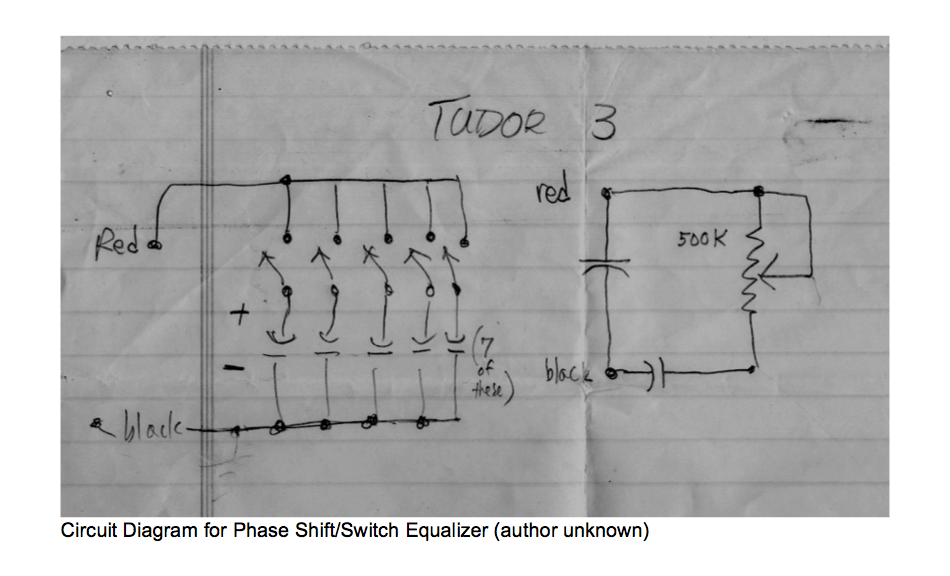
music circuit
This circuit allows for the adjustment of resistance using a potentiometer and the adjustment of capacitance by opening or closing switches. By manipulating the configuration of these switches, various combinations can be achieved to obtain different effective capacitance values. It...
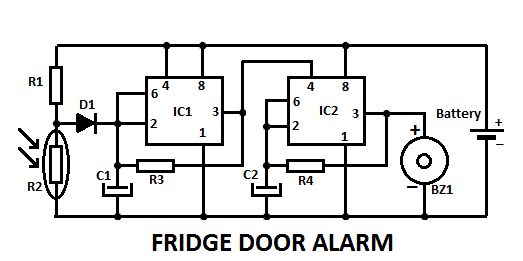
Fridge Door Alarm Circuit
This fridge door alarm operates using a 3V battery supply and should be placed in a small box inside the fridge, near the lamp or close to the opening.
The fridge door alarm circuit is designed to alert users when...
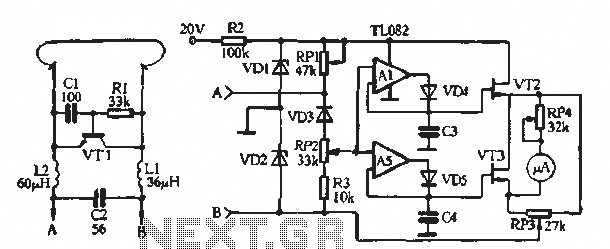
Soil moisture meter circuit
The soil moisture meter circuit is useful for monitoring the moisture levels in plants. It is a simple and effective circuit.
The soil moisture meter circuit is designed to measure the volumetric water content in soil, providing valuable data for plant...
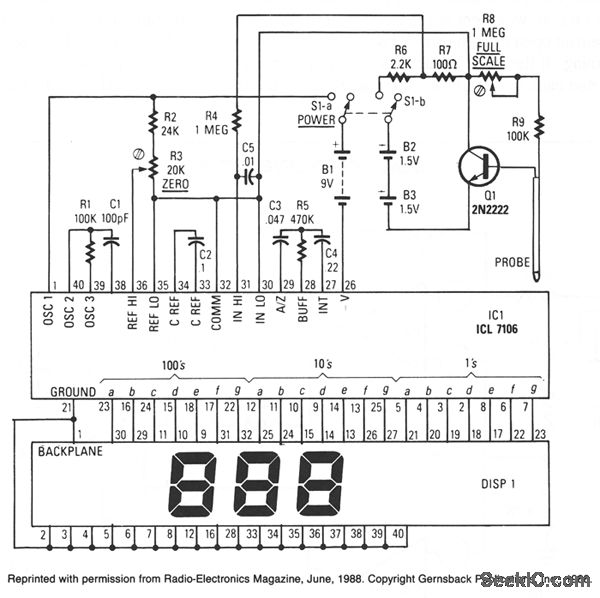
SOIL MOISTURE METER
IC1, an Intersil ICL7106, comprises an A/D converter, a 3.5-digit LCD driver, a clock, a voltage reference, seven-segment decoders, and display drivers. An alternative component, the ICL7107, is suitable for driving seven-segment LEDs. The probe body consists of a five-inch...
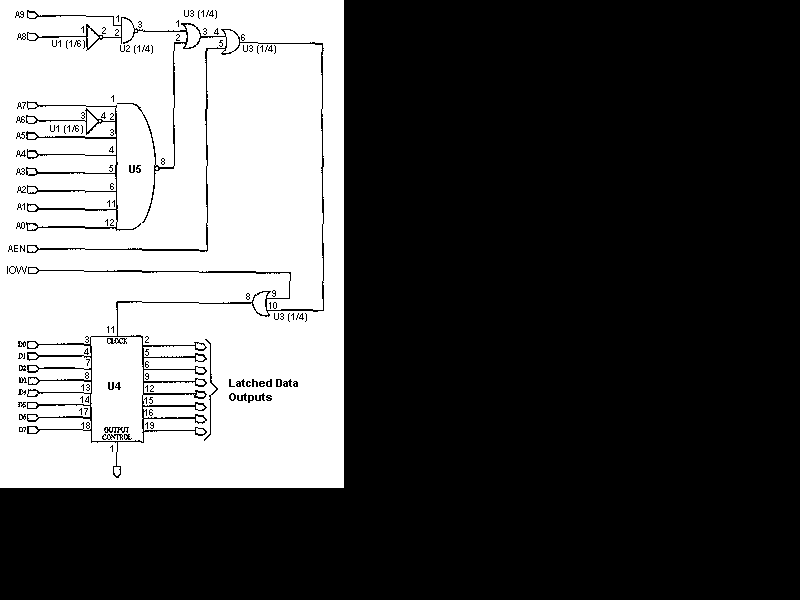
Computerize Your Room/House
You have read about computerized rooms or seen home automation products advertised in electronics magazines. You have decided to try it yourself. However, it is important to note that this project is not inexpensive. A computer is required, which is...
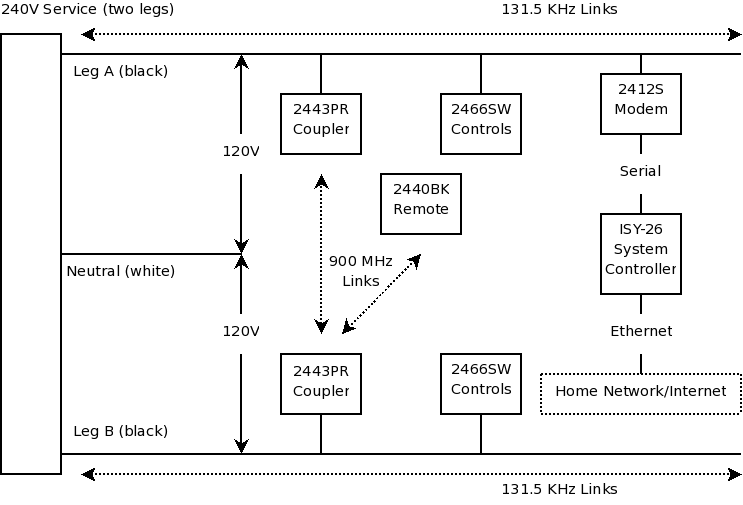
home automation Installation
First and foremost, if one is not skilled with tools and electrical systems, it is advisable to hire a qualified electrician rather than attempting to undertake this task independently. The electrician should review this page for specific cautions and advice....
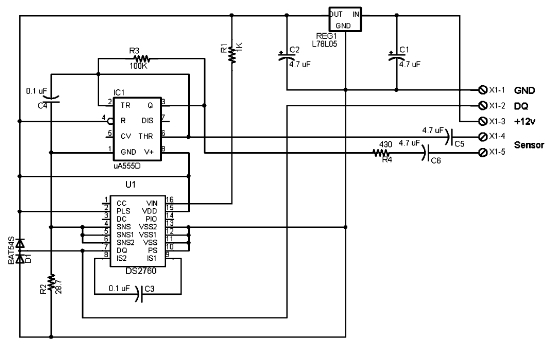
Circuit Diagram Of Soil Moisture Sensor
The following circuit illustrates the electrical circuit diagram for the 1976 Dodge Aspen. Features include the current register value of the IC DS2760.
The electrical circuit diagram for the 1976 Dodge Aspen is a critical component for understanding the vehicle's electronic...
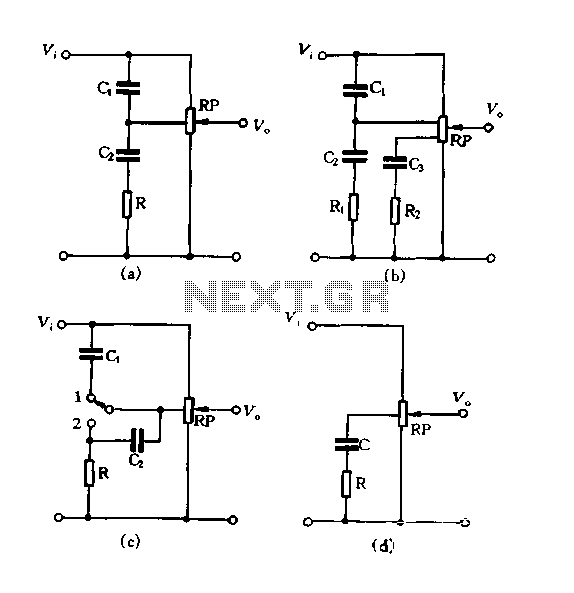
Using tap potentiometer loudness circuit
Figure 1.88 illustrates the loudness control circuit utilizing multiple taps on a potentiometer. In Figure (A), the connection is made between the tap and the potentiometer's input, along with the ground. An RC compensation network is employed, where the slide...
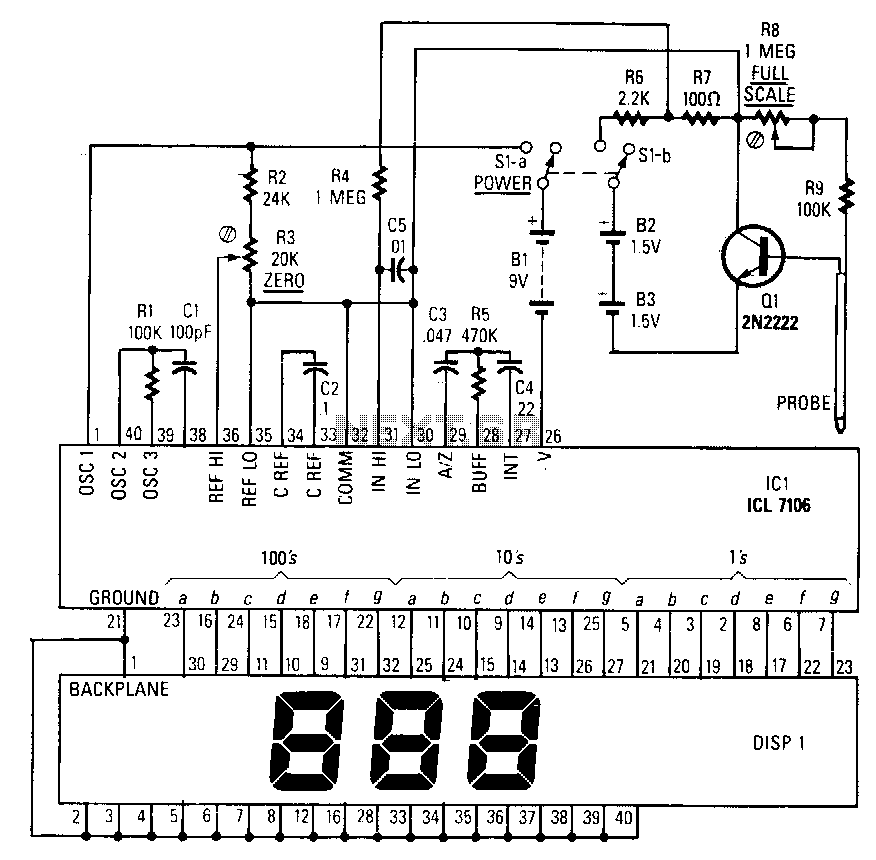
Soil-moisture-meter
The ICL, specifically the Intersil ICL 7106, integrates an analog-to-digital converter, a 3.5-digit LCD driver, a clock, a voltage reference, seven-segment decoders, and display drivers. An alternative component, the ICL7107, is available for driving seven-segment LEDs. The probe body is...