


plant watering watcher circuit schematic
#moisture sensor
#LED indicator
#plant care
#adjustable sensitivity
#flashing LED
#soil moisture
#gardening
#probe
#sensor circuit
#low power
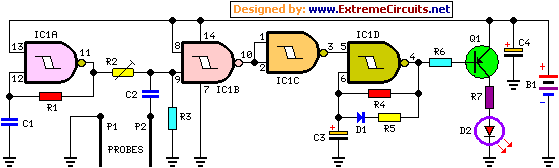
Description: This circuit is designed to indicate when a plant requires watering. An LED flashes at a low frequency when the soil in the flower pot is excessively dry, and it turns off as the moisture level rises. The sensitivity of the circuit can be adjusted by modifying resistor R2, allowing it to accommodate various soil types, pots, and probe configurations.
The plant watering indicator circuit typically employs a moisture sensor, which can be a resistive or capacitive type, to monitor the soil's moisture content. The sensor is connected to a comparator circuit that evaluates the voltage level from the sensor against a reference voltage. When the soil moisture drops below a predetermined threshold, the comparator outputs a signal that activates the LED indicator.
The LED's flashing rate can be controlled by a timing circuit, which may include components such as a 555 timer or a simple RC (resistor-capacitor) network. This timing circuit generates a pulse signal that turns the LED on and off at a specific interval, providing a visual cue to the user about the soil's condition.
Resistor R2 plays a crucial role in setting the sensitivity of the moisture detection. By adjusting R2, the user can change the reference voltage level at which the comparator triggers the LED. This feature allows the circuit to be fine-tuned for different soil types, pot sizes, and moisture probe characteristics, ensuring reliable operation across various conditions.
Power supply considerations should also be addressed, as the circuit can be powered by a low-voltage source, such as batteries or a small solar panel, making it suitable for indoor and outdoor applications. The overall design should ensure that the components are weather-resistant if used in outdoor settings, protecting them from moisture and environmental factors.
In summary, this circuit efficiently monitors soil moisture levels and provides a clear visual indication when watering is needed, with adjustable sensitivity to cater to diverse plant care requirements.This circuit is intended to signal when a plant needs water. A LED flashes at a low rate when the ground in the flower-pot is too dry, turning off when the moisture level is increasing. Adjusting R2 will allow the user to adapt the sensitivity of the circuit for different grounds, pots and probe types..
The plant watering indicator circuit typically employs a moisture sensor, which can be a resistive or capacitive type, to monitor the soil's moisture content. The sensor is connected to a comparator circuit that evaluates the voltage level from the sensor against a reference voltage. When the soil moisture drops below a predetermined threshold, the comparator outputs a signal that activates the LED indicator.
The LED's flashing rate can be controlled by a timing circuit, which may include components such as a 555 timer or a simple RC (resistor-capacitor) network. This timing circuit generates a pulse signal that turns the LED on and off at a specific interval, providing a visual cue to the user about the soil's condition.
Resistor R2 plays a crucial role in setting the sensitivity of the moisture detection. By adjusting R2, the user can change the reference voltage level at which the comparator triggers the LED. This feature allows the circuit to be fine-tuned for different soil types, pot sizes, and moisture probe characteristics, ensuring reliable operation across various conditions.
Power supply considerations should also be addressed, as the circuit can be powered by a low-voltage source, such as batteries or a small solar panel, making it suitable for indoor and outdoor applications. The overall design should ensure that the components are weather-resistant if used in outdoor settings, protecting them from moisture and environmental factors.
In summary, this circuit efficiently monitors soil moisture levels and provides a clear visual indication when watering is needed, with adjustable sensitivity to cater to diverse plant care requirements.This circuit is intended to signal when a plant needs water. A LED flashes at a low rate when the ground in the flower-pot is too dry, turning off when the moisture level is increasing. Adjusting R2 will allow the user to adapt the sensitivity of the circuit for different grounds, pots and probe types..
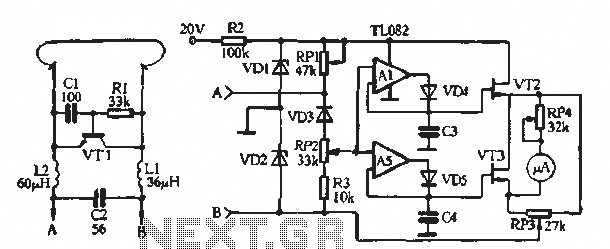
Soil moisture meter circuit
The soil moisture meter circuit is useful for monitoring the moisture levels in plants. It is a simple and effective circuit.
The soil moisture meter circuit is designed to measure the volumetric water content in soil, providing valuable data for plant...
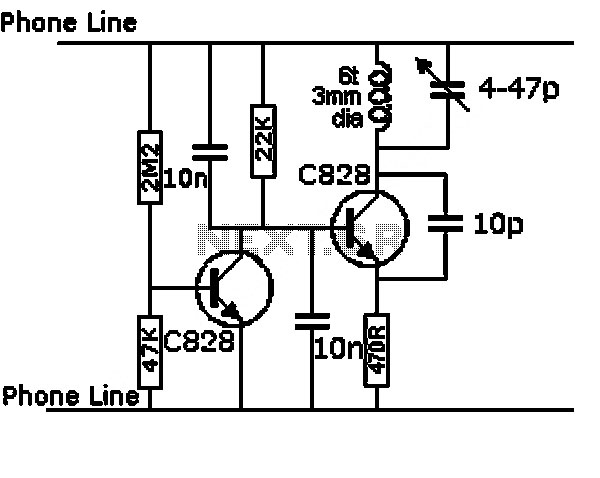
micro power pulse generator
This circuit generates clean logic pulses with minimal current consumption. It is designed to produce short 2 ms pulses at a frequency of one pulse per second, drawing only 1 microamp from a 9-volt battery.
The described circuit operates efficiently by...
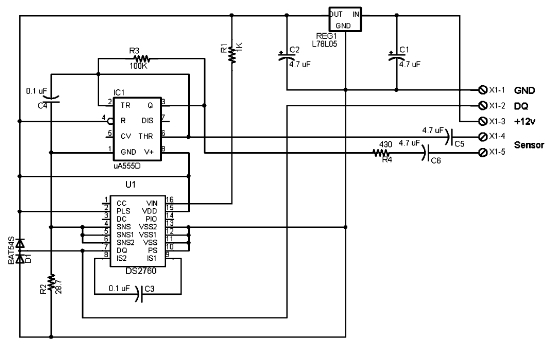
Circuit Diagram Of Soil Moisture Sensor
The following circuit illustrates the electrical circuit diagram for the 1976 Dodge Aspen. Features include the current register value of the IC DS2760.
The electrical circuit diagram for the 1976 Dodge Aspen is a critical component for understanding the vehicle's electronic...
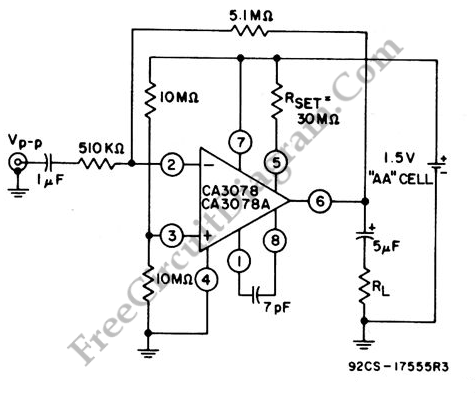
Single Cell Battery 1.5V 20dB Inverting Amplifier
This amplifier circuit exhibits a very low power consumption, with a total current draw of 675 nA. The output voltage swing is 300 mV peak-to-peak (pp) with a gain of 20.
The amplifier circuit is designed to operate with minimal power...
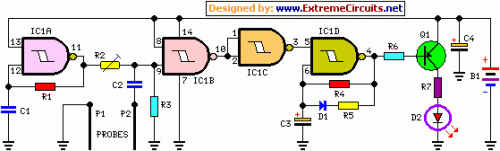
Plant Watering Watcher Circuit Schematic
This circuit is designed to indicate when a plant requires watering. An LED blinks at a low frequency when the soil in the flower pot is excessively dry, turning off as the moisture level rises. The sensitivity of the circuit...
Soil moisture meter circuit
The soil moisture meter circuit is useful for monitoring the moisture levels in plants. It is a simple and effective circuit.
The soil moisture meter circuit is designed to measure the volumetric water content in soil, providing valuable data for plant...
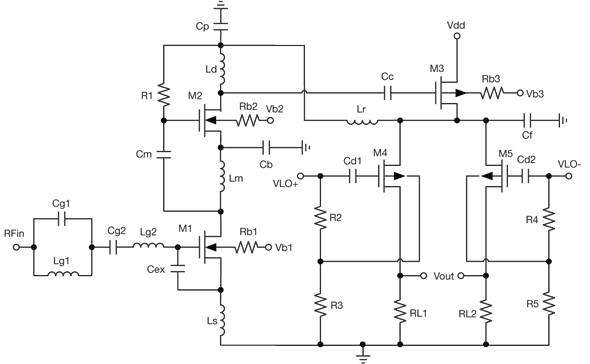
low power receiver serves multiple wireless standards
By combining a current-reuse amplifier and a switch-based mixer, a dual-band receiver front end offers excellent performance with extremely low power consumption.
The dual-band receiver front end integrates a current-reuse amplifier and a switch-based mixer to achieve high performance while maintaining...
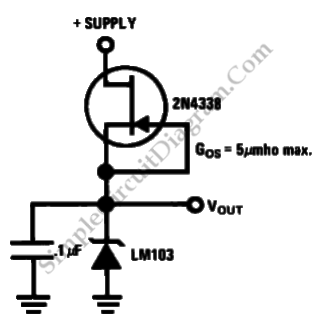
Low Power Regulator Reference
This is a simple circuit of a low-power voltage regulator reference. This circuit can produce a stable voltage reference.
The low-power voltage regulator reference circuit is designed to provide a consistent output voltage, which is crucial for various electronic applications requiring...
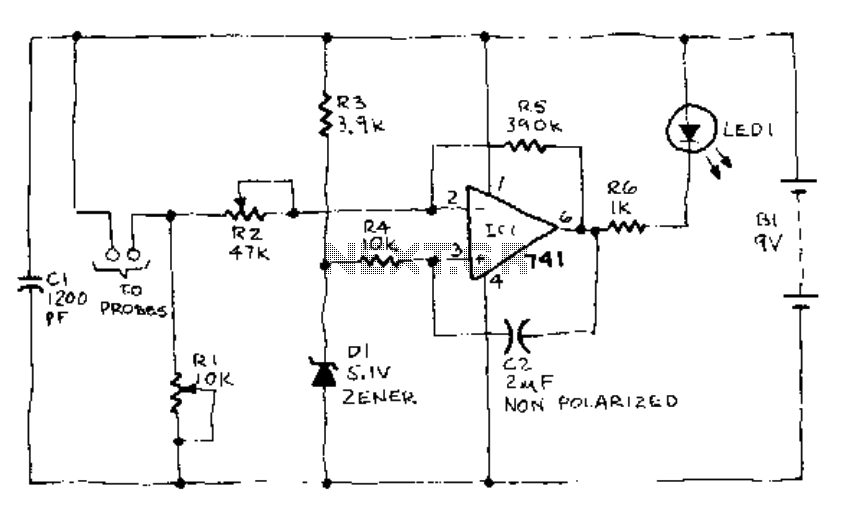
Plant-water monitor
When the soil is moist, the LED glows. If the moisture falls below a certain predetermined level, the LED begins to flash. If there is still less moisture, the LED turns off. To calibrate, connect the battery and insert the...