


power switching controllers external switches
#dc-to-dc converter
#current-mode
#P-channel MOSFET
#voltage regulation
#power management
#step-down controller
#ADP1864
#external resistor
#current limit
#compact design
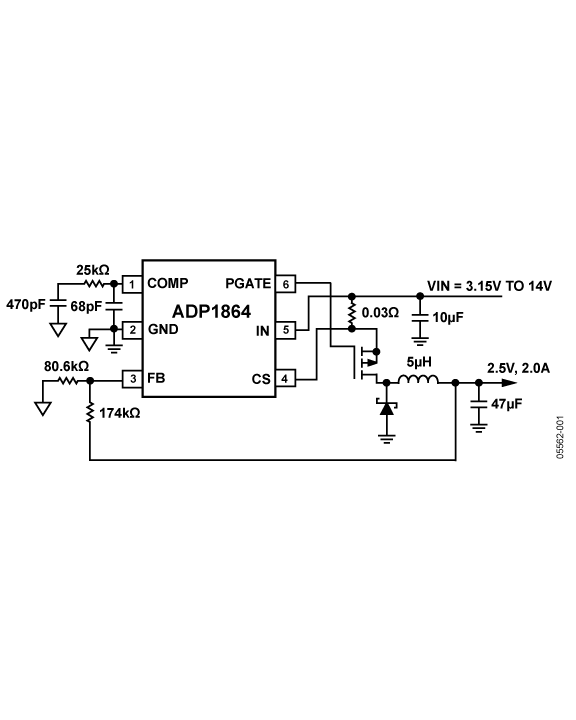
Description: The ADP1864 is a compact, cost-effective, constant-frequency current-mode step-down DC-DC controller. It drives a P-channel MOSFET to regulate an output voltage as low as 0.8 V with ±2% accuracy, handling load currents up to 5 A from input voltages as high as 14 V. The ADP1864 offers system flexibility by enabling precise current limit settings using an external resistor.
The ADP1864 is designed for efficient power conversion in various applications, including battery-powered devices, consumer electronics, and industrial systems. Its current-mode control architecture allows for improved transient response and stability, making it suitable for applications that require rapid load changes. The device operates with a constant switching frequency, which can be set through external components, ensuring predictable performance across varying conditions.
The controller features a built-in soft-start function to limit inrush current during startup, enhancing the reliability of the overall system. The external resistor used for current limit setting provides flexibility in optimizing the performance based on specific application requirements. Additionally, the ADP1864 includes integrated protection features such as overcurrent protection, thermal shutdown, and under-voltage lockout, which safeguard both the controller and the connected load.
For the implementation of the ADP1864 in a schematic, the following components are typically included: a P-channel MOSFET for the switching element, an inductor to store energy, input and output capacitors for voltage smoothing, and feedback resistors to set the output voltage. The layout of the PCB should be designed to minimize parasitic inductance and capacitance, ensuring stable operation at high frequencies. Proper thermal management should also be considered to maintain performance under varying load conditions.
Overall, the ADP1864 stands out as a versatile and efficient solution for step-down voltage regulation, providing designers with the tools needed to create reliable power management systems.The ADP1864 is a compact, inexpensive, constant-frequency current-mode step-down dc-to-dc controller. The ADP1864 drives a P-channel MOSFET that regulates an output voltage as low as 0.8 V with ±2% accuracy, for up to 5 A load currents, from input voltages as high as 14 V.
The ADP1864 provides system flexibility by allowing accurate setting of the current limit with an external resistor,..
The ADP1864 is designed for efficient power conversion in various applications, including battery-powered devices, consumer electronics, and industrial systems. Its current-mode control architecture allows for improved transient response and stability, making it suitable for applications that require rapid load changes. The device operates with a constant switching frequency, which can be set through external components, ensuring predictable performance across varying conditions.
The controller features a built-in soft-start function to limit inrush current during startup, enhancing the reliability of the overall system. The external resistor used for current limit setting provides flexibility in optimizing the performance based on specific application requirements. Additionally, the ADP1864 includes integrated protection features such as overcurrent protection, thermal shutdown, and under-voltage lockout, which safeguard both the controller and the connected load.
For the implementation of the ADP1864 in a schematic, the following components are typically included: a P-channel MOSFET for the switching element, an inductor to store energy, input and output capacitors for voltage smoothing, and feedback resistors to set the output voltage. The layout of the PCB should be designed to minimize parasitic inductance and capacitance, ensuring stable operation at high frequencies. Proper thermal management should also be considered to maintain performance under varying load conditions.
Overall, the ADP1864 stands out as a versatile and efficient solution for step-down voltage regulation, providing designers with the tools needed to create reliable power management systems.The ADP1864 is a compact, inexpensive, constant-frequency current-mode step-down dc-to-dc controller. The ADP1864 drives a P-channel MOSFET that regulates an output voltage as low as 0.8 V with ±2% accuracy, for up to 5 A load currents, from input voltages as high as 14 V.
The ADP1864 provides system flexibility by allowing accurate setting of the current limit with an external resistor,..

capacitor Explaining a car voltage regulator circuit
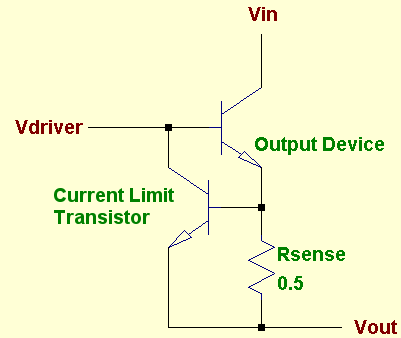
The circuit regulates approximately 12V from the car battery down to 5V for use by an Atmel AVR microcontroller. The presence of two capacitors on each side of the linear regulator LM7805 raises questions regarding their purpose. It is suggested...
protected
A voltage regulator is designed to provide a fixed voltage to any load. This inherently means it must supply the necessary current through that load to satisfy Ohm's Law, I = V/R. As the resistance (R) approaches zero, such as...
power supply design
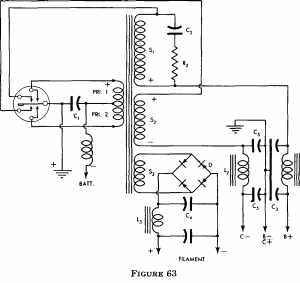
The more one understands about any subject, the more interesting it becomes. As this article is read, it will be found that the subject of...
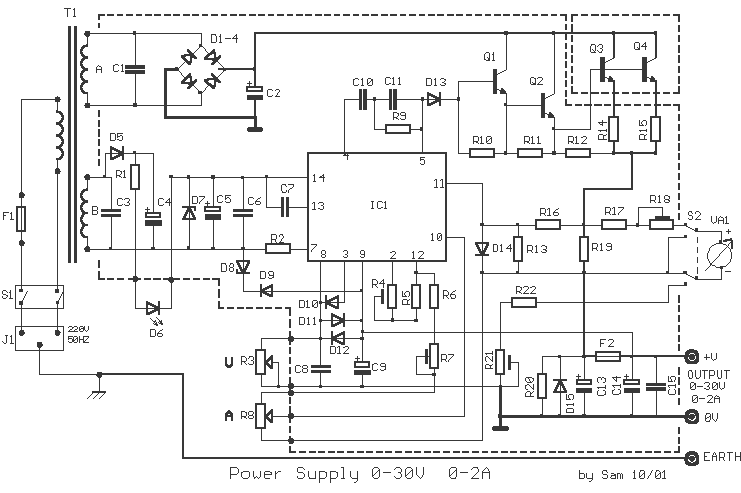
A comprehensive electronic schematic typically involves various components, each serving a specific function in the overall...
Power Supply 0-30V / 0-2A
The basic requirements for a laboratory power supply are to provide the necessary voltages and currents with low output resistance, low noise, minimal ripple, and good stabilization. These requirements are addressed within the circuit design. Many power supplies incorporate electronic...
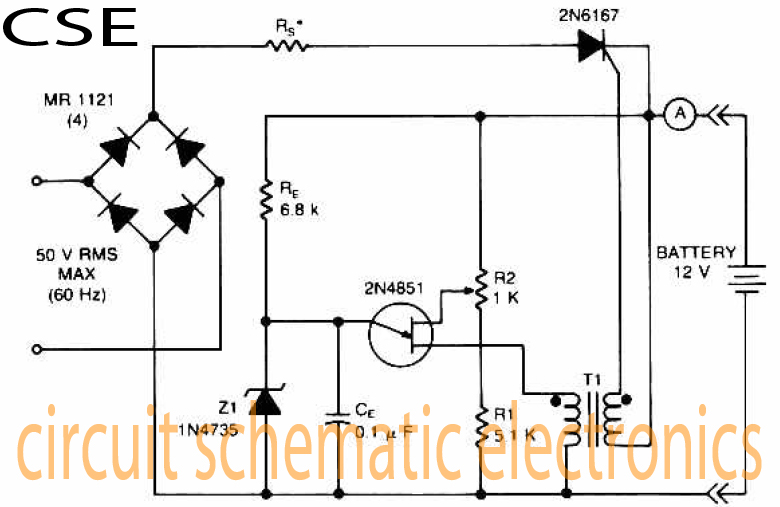
Variable charger circuit Schematic Diagram
The accumulator charger circuit must provide a voltage that matches the specifications of the batteries being charged. For a 12-volt accumulator, the output voltage should not exceed 12 volts, nor should it fall significantly below this threshold. Failure to maintain...
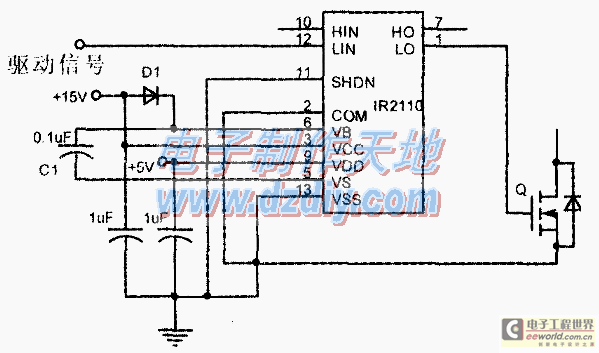
Design and making of the stabilized voltage supply of switch
Under the loading condition of the resistance, the output voltage (Uo) variable range is from 30V to 36V, with a maximum output current (Imax) of 2A. When the input voltage (U2) changes from 15V to 21V, the voltage regulation factor...

psu
The Chameleon II Power Supply Circuits convert the raw input supply into stable voltage outputs necessary for the Chameleon interfaces. The outputs provided are +5V, +12V, and -12V.
The Chameleon II Power Supply Circuits are designed to ensure reliable operation of...
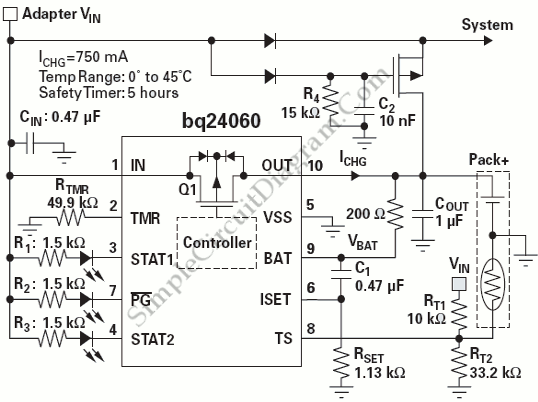
Power Path Management Battery Charger
Powering the system is required by many applications while charging the battery simultaneously. Interaction between the system and charger may result in a...
Power management in electronic systems is critical, particularly in applications that necessitate simultaneous operation and battery charging. This...
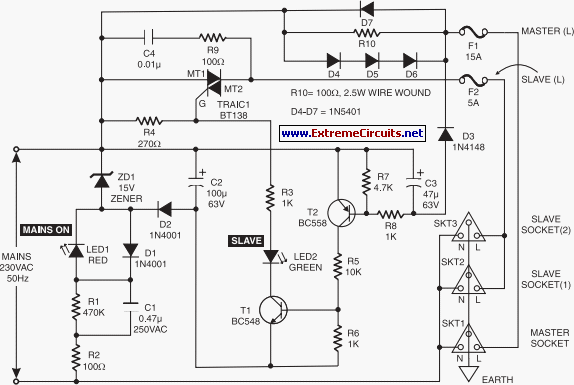
Mains Manager
It is common to forget to turn off peripherals such as monitors, scanners, and printers when shutting down a PC. Typically, these devices are connected to a four-way trailing socket, which is plugged into a wall outlet. If this outlet...