


ivrs final year project full description
#IVRS
#DTMF
#voice response
#telephone
#communication
#automation
#microcontroller
#signal processing
#telephony
#interactive system
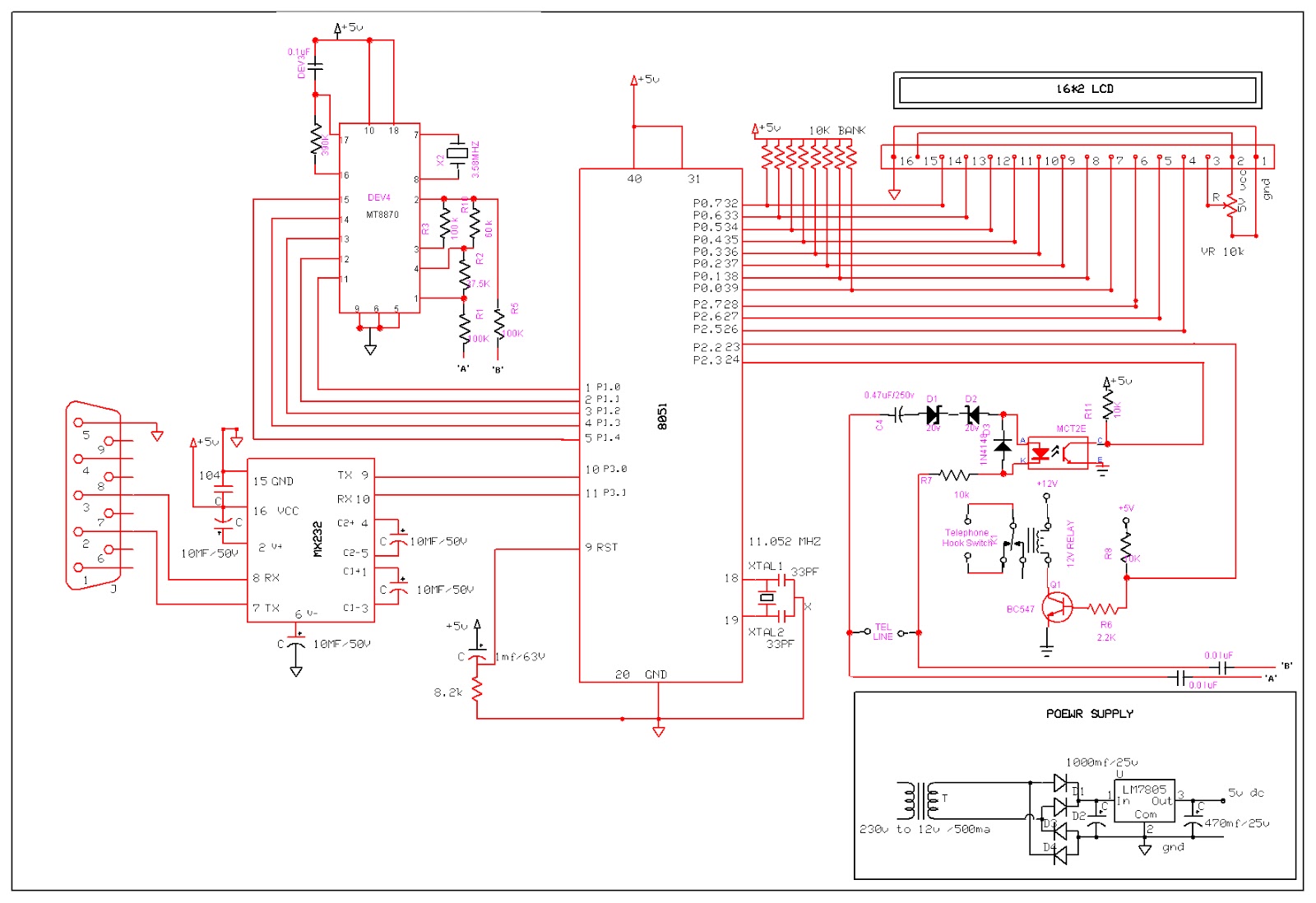
Description: An Interactive Voice Response (IVR) system is a communication system that enables automated telephone call access to specific computer database information. This technology allows a computer to detect DTMF (Dual-tone multi-frequency) keypad inputs and generate voice responses based on those inputs. DTMF signaling is utilized for telecommunication signaling over analog telephone lines within the voice-frequency band, facilitating communication between telephone handsets, other communication devices, and the switching center.
An Interactive Voice Response (IVR) system typically consists of several key components that work together to provide a seamless user experience. The core of the IVR system is a telephony interface, which connects to the public switched telephone network (PSTN) or Voice over Internet Protocol (VoIP) services. This interface is responsible for handling incoming and outgoing calls, as well as managing the audio signals that are transmitted during the interaction.
The DTMF decoder is another critical component in the IVR architecture. It interprets the keypad tones generated by the caller when they press buttons on their telephone. Each button corresponds to a specific frequency pair, which the DTMF decoder translates into digital signals that the system can process. This allows the IVR to recognize user inputs and respond appropriately.
The voice response generation module utilizes pre-recorded audio prompts or text-to-speech (TTS) technology to deliver information to the caller. Depending on the user's input, the IVR system can navigate through various menus, retrieve data from a database, or provide instructions. The database interface is essential for accessing the necessary information, whether it be customer account details, product information, or service options.
To enhance user experience, the IVR system may also include features such as call routing, where calls are directed to specific departments or agents based on the caller's needs. Additionally, advanced IVR systems may integrate with customer relationship management (CRM) systems to provide personalized interactions based on caller history.
Overall, the design and implementation of an IVR system require careful consideration of user experience, system architecture, and integration with existing communication infrastructure to ensure efficient and effective communication.Interactive voice response (IVR) system is a communication system which provides automated telephone call access to specified computer database information. Interactive Voice Response is a technology that allows computer to detect DTMF (Dual-tone multi-frequency) keypad inputs and generate voice response according to input.
Dual-tone multi-frequency signaling (DTMF) is used for telecommunication signaling over analog telephone lines in the voice-frequency band between telephone handsets and other communications devices and the switching center.
An Interactive Voice Response (IVR) system typically consists of several key components that work together to provide a seamless user experience. The core of the IVR system is a telephony interface, which connects to the public switched telephone network (PSTN) or Voice over Internet Protocol (VoIP) services. This interface is responsible for handling incoming and outgoing calls, as well as managing the audio signals that are transmitted during the interaction.
The DTMF decoder is another critical component in the IVR architecture. It interprets the keypad tones generated by the caller when they press buttons on their telephone. Each button corresponds to a specific frequency pair, which the DTMF decoder translates into digital signals that the system can process. This allows the IVR to recognize user inputs and respond appropriately.
The voice response generation module utilizes pre-recorded audio prompts or text-to-speech (TTS) technology to deliver information to the caller. Depending on the user's input, the IVR system can navigate through various menus, retrieve data from a database, or provide instructions. The database interface is essential for accessing the necessary information, whether it be customer account details, product information, or service options.
To enhance user experience, the IVR system may also include features such as call routing, where calls are directed to specific departments or agents based on the caller's needs. Additionally, advanced IVR systems may integrate with customer relationship management (CRM) systems to provide personalized interactions based on caller history.
Overall, the design and implementation of an IVR system require careful consideration of user experience, system architecture, and integration with existing communication infrastructure to ensure efficient and effective communication.Interactive voice response (IVR) system is a communication system which provides automated telephone call access to specified computer database information. Interactive Voice Response is a technology that allows computer to detect DTMF (Dual-tone multi-frequency) keypad inputs and generate voice response according to input.
Dual-tone multi-frequency signaling (DTMF) is used for telecommunication signaling over analog telephone lines in the voice-frequency band between telephone handsets and other communications devices and the switching center.
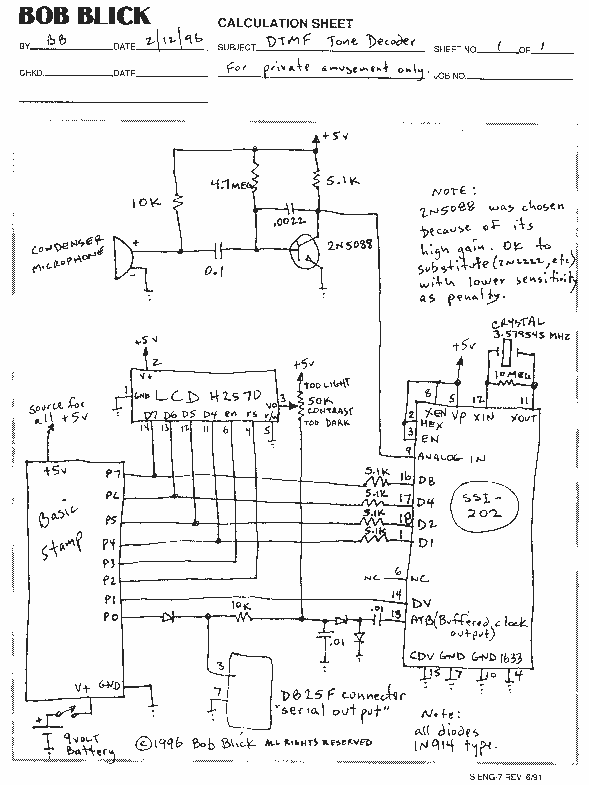
DTMF Tone Decoder
This project displays telephone numbers decoded from tones. A microphone picks up the tones, a preamplifier boosts the signals, an SSI-202 DTMF chip decodes the tones, a Basic Stamp acts as an interface to an LCD display and also provides...

Telephone Status Indicator Circuit
This simple circuit indicates the status of a phone, including Line OK, Dialing, and Call Attended. It also features a locking mechanism to block outgoing calls while allowing incoming calls, preventing misuse of the telephone. The circuit requires only a...
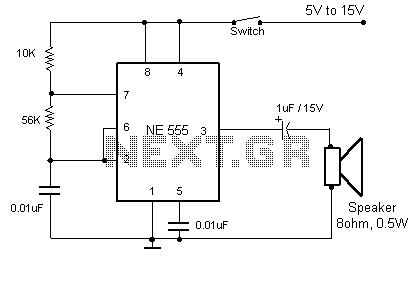
Telephone call meter using calculator & COB
This circuit utilizes a simple calculator along with a chip-on-board (COB) from an analog quartz clock to create a telephone call meter. The calculator converts STD/ISD calls into local call equivalents and continuously displays the current local call meter reading....
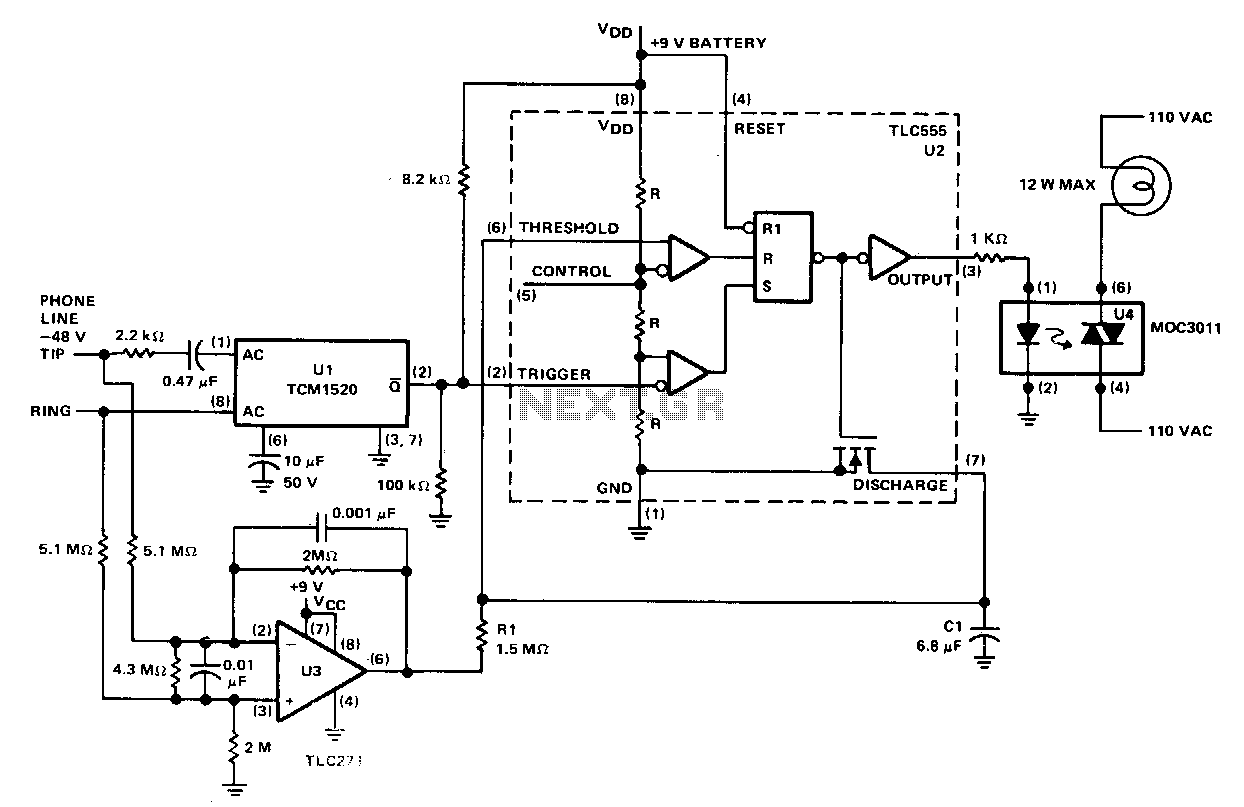
Telephone-controlled-night-light
When the telephone rings or when the handset is lifted, the night light is activated and remains illuminated during the conversation. After the handset is replaced in the cradle, the light stays on for approximately 11 seconds. Under standby conditions,...

microcontroller Generate a reset signal from a falling edge trigger
The microcontroller design features the microcontroller (MCU) in hibernation mode, which can only be awakened by a pulse (high-low-high) signal on the reset pin (active low). An accelerometer or an external real-time clock (RTC) serves as the wake-up source. The...
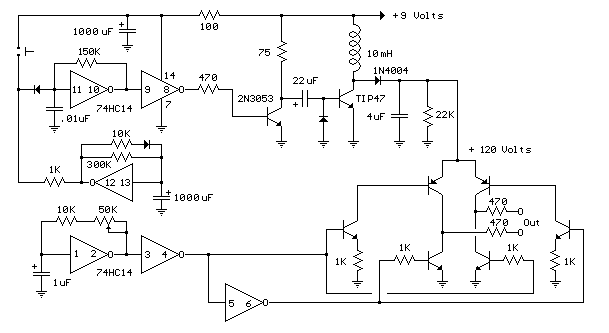
Telephone Ring Generator Using Switching Supply
The telephone ring generator shown below generates the needed high voltage from a simple switching mode power supply (SMPS) which employs a CMOS Schmitt Trigger square wave oscillator, 10 mH inductor, high voltage switching transistor (TIP47 or other high voltage,...
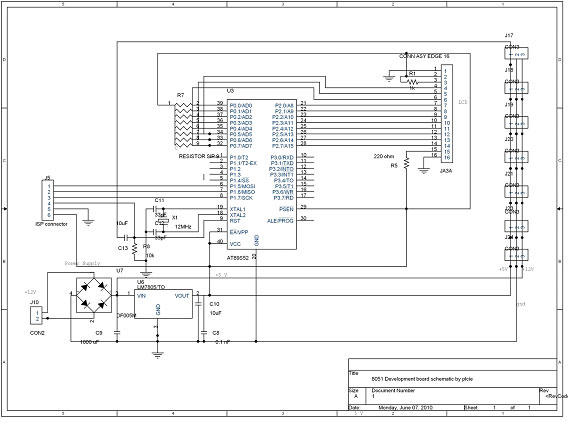
DTMF Based Robo Car Design & Circuit using 8051 Microcontroller
DTMF-based Robo Car design using the 8051 microcontroller project. This project demonstrates a method to control a domestic system using the DTMF tone generated by a telephone instrument when the user presses the keypad buttons of a mobile phone connected...
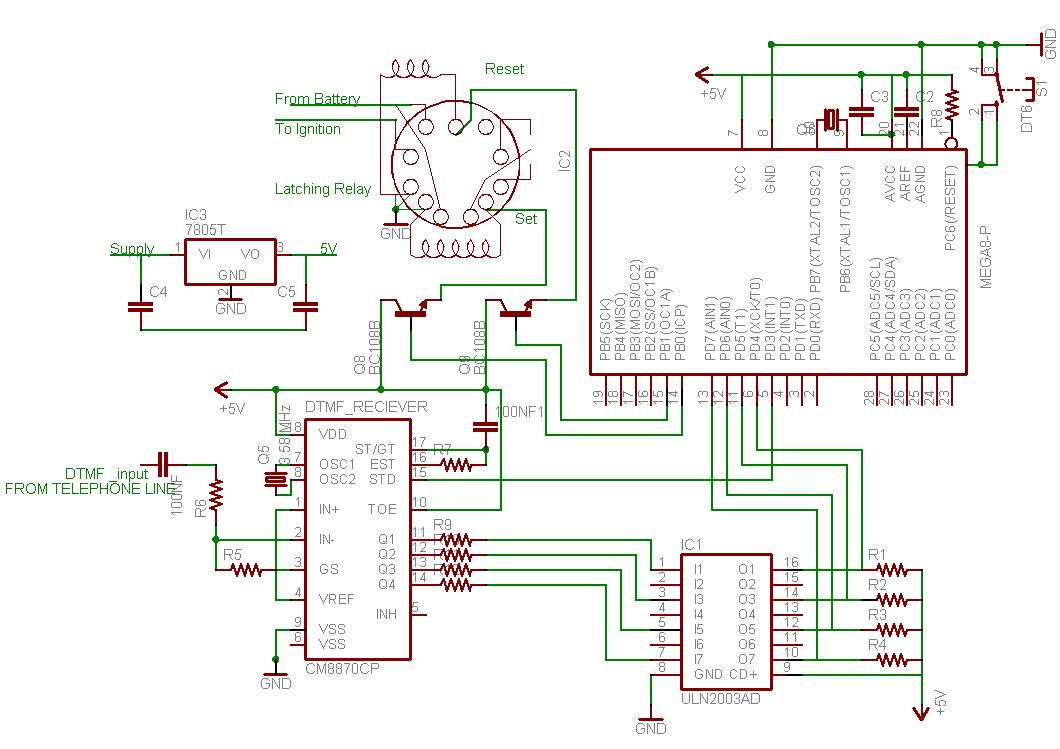
Phone to Microcontroller interfacing with DTMF
This document outlines the process of interfacing a microcontroller with a phone line. The tones generated when dialing numbers on a phone can be utilized to remotely control various devices. It provides guidance on incorporating Dual-Tone Multi-Frequency (DTMF) tones into...
audio visual indicator for telephone circuit diagram
Often, there is a need for an additional telephone ringer in an adjoining room to be alerted about incoming calls. For instance, if the telephone is situated in the drawing room, an extra ringer may be required in the bedroom....