


voltage What kind of Mic do I need to connect to a pots telephone line to speak
#telephone line
#DTMF
#microphone
#POTS
#resistor
#communication
#audio
#signaling
#circuit design
#telephony
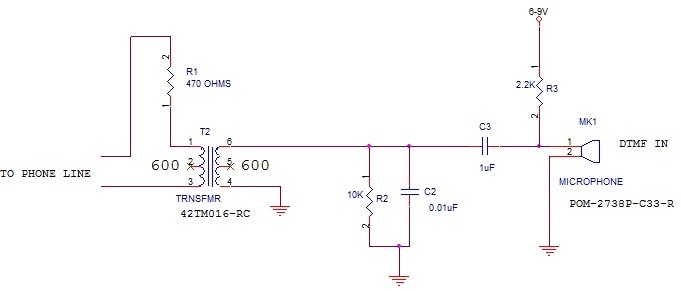
Description: What type of microphone or mouthpiece can be used to connect to a POTS (Plain Old Telephone Service) telephone line to send DTMF (Dual-Tone Multi-Frequency) tones only, without transmitting voice? Is a standard microphone suitable, or must it be a specific type? I am utilizing a 300-ohm resistor to keep the line active automatically, and I need guidance on the appropriate microphone or any additional components required to achieve this.
In the early days of telecommunication, carbon microphones were commonly employed, typically with an impedance around 300 ohms. The signal level for such microphones is generally around 275 mV; however, clarification is needed regarding whether this value pertains to incoming or outgoing signals, or if it applies to both.
To effectively transmit DTMF tones over a POTS line, a specialized microphone or mouthpiece designed for low-frequency tone generation is recommended. A standard dynamic microphone may not suffice due to its inability to generate the precise frequency tones required for DTMF signaling. Instead, a dedicated DTMF encoder circuit can be utilized, which generates the required tones when triggered by a switch or a keypad.
The circuit can be designed using a microcontroller or a dedicated DTMF generator IC, which produces the specific frequencies associated with DTMF tones. This generator can be interfaced with a suitable audio output stage to match the impedance of the telephone line. The output stage should be capable of delivering the necessary voltage levels while ensuring that the impedance matches the 600-ohm standard of telephone lines.
In addition to the microphone or DTMF generator, the 300-ohm resistor serves to maintain the line's voltage level, preventing it from going idle. Additional components may include capacitors for filtering and ensuring signal integrity, as well as diodes for protection against voltage spikes. Proper design considerations must also account for the line's characteristics and the need for isolation to prevent interference with other devices connected to the telephone line.
In summary, while a standard microphone may not be suitable for DTMF transmission, utilizing a dedicated DTMF generator circuit, along with appropriate interfacing components, will facilitate successful tone generation over a POTS line.What kind of microphone or mouthpiece I can use to connect across a pots telephone line in order to send dtmf tones ( no voice ) dtmf only. Can I use a regular mic or does it have to be a certain type, I am using a 300 ohm resistor to hold open the line automatic and I need to know what kind of mic i need or if i will need any
additional components to make this work thanks Back in the stone ages a telephone used a carbon microphone (300 Ohm IIRC). This page rane. com/note150. html shows the signal level as 275 mV, but I am not sure whether that refers to the incoming or outgoing signal (or maybe to both ) Wouter van Ooijen Apr 10 `13 at 18:37
In the early days of telecommunication, carbon microphones were commonly employed, typically with an impedance around 300 ohms. The signal level for such microphones is generally around 275 mV; however, clarification is needed regarding whether this value pertains to incoming or outgoing signals, or if it applies to both.
To effectively transmit DTMF tones over a POTS line, a specialized microphone or mouthpiece designed for low-frequency tone generation is recommended. A standard dynamic microphone may not suffice due to its inability to generate the precise frequency tones required for DTMF signaling. Instead, a dedicated DTMF encoder circuit can be utilized, which generates the required tones when triggered by a switch or a keypad.
The circuit can be designed using a microcontroller or a dedicated DTMF generator IC, which produces the specific frequencies associated with DTMF tones. This generator can be interfaced with a suitable audio output stage to match the impedance of the telephone line. The output stage should be capable of delivering the necessary voltage levels while ensuring that the impedance matches the 600-ohm standard of telephone lines.
In addition to the microphone or DTMF generator, the 300-ohm resistor serves to maintain the line's voltage level, preventing it from going idle. Additional components may include capacitors for filtering and ensuring signal integrity, as well as diodes for protection against voltage spikes. Proper design considerations must also account for the line's characteristics and the need for isolation to prevent interference with other devices connected to the telephone line.
In summary, while a standard microphone may not be suitable for DTMF transmission, utilizing a dedicated DTMF generator circuit, along with appropriate interfacing components, will facilitate successful tone generation over a POTS line.What kind of microphone or mouthpiece I can use to connect across a pots telephone line in order to send dtmf tones ( no voice ) dtmf only. Can I use a regular mic or does it have to be a certain type, I am using a 300 ohm resistor to hold open the line automatic and I need to know what kind of mic i need or if i will need any
additional components to make this work thanks Back in the stone ages a telephone used a carbon microphone (300 Ohm IIRC). This page rane. com/note150. html shows the signal level as 275 mV, but I am not sure whether that refers to the incoming or outgoing signal (or maybe to both ) Wouter van Ooijen Apr 10 `13 at 18:37
compressor microphone
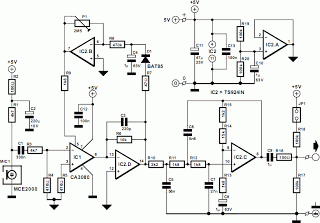
The FM Remote Control Receiver, available in the Infra-red circuits section of this website, features a connector that provides an analogue output. To create a simple intercom or public address (P.A.) system, the associated transmitter requires a microphone pre-amplifier that...
Klipsch Promedia V5.1 Amplifier Repair
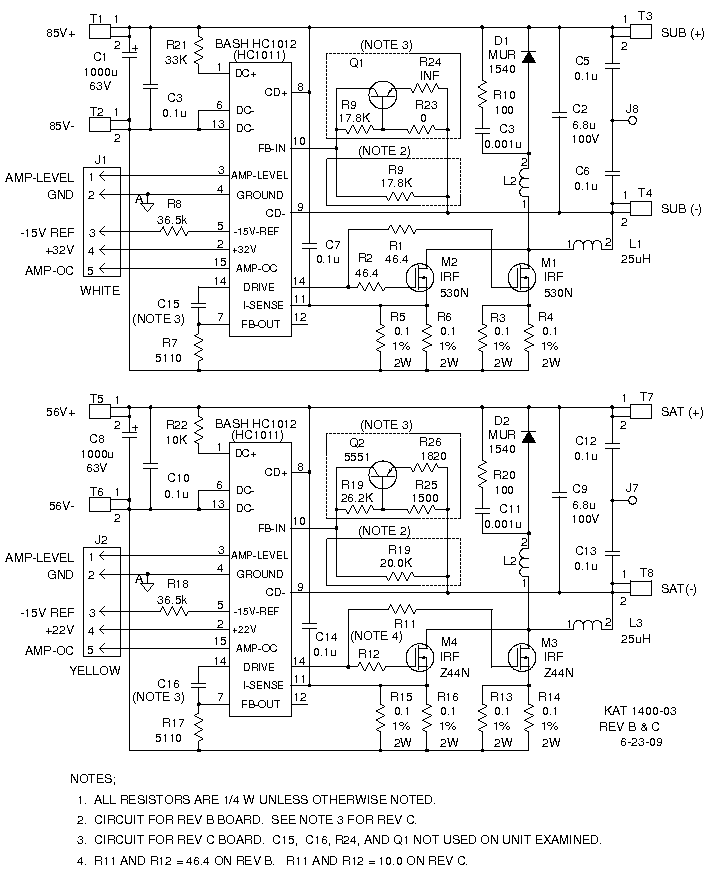
Utilize a V2-400 subwoofer amplifier for the center channel, and incorporate a separate Digital Converter specifically for the added subwoofer amplifier to initiate a V5.1 system. Place all preamplifiers within the subwoofer enclosure and design a digital control box for...
Amplifier Stages
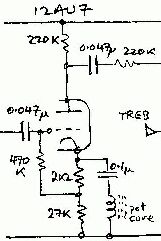
The XLR or Cannon-type connector is a superior audio connector compared to a 6.5mm jack plug and socket. However, tradition mandates the use of the 6.5mm socket, despite its significant connection issues. Inputs can vary from a single socket directly...
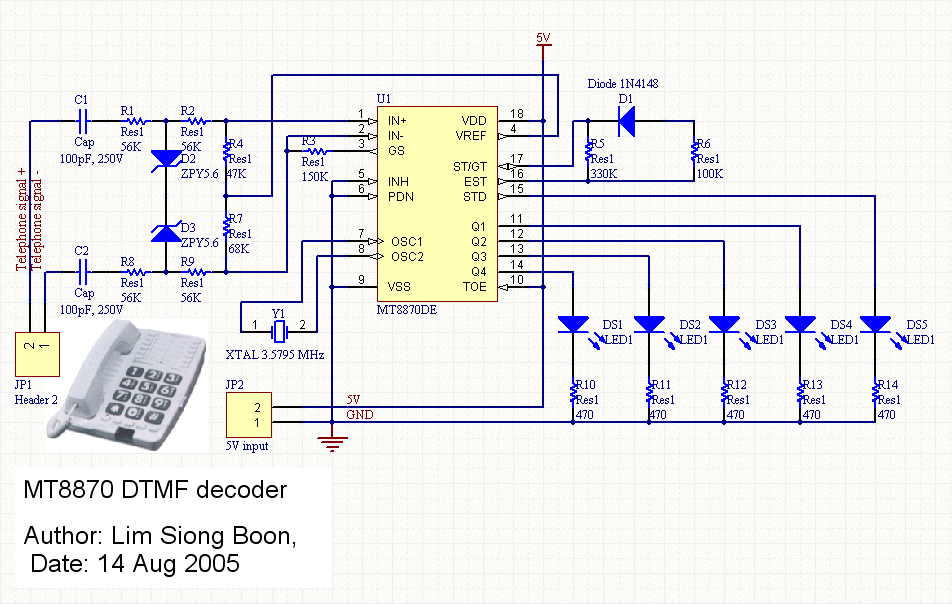
DTMF decoder using MT8870DE
This circuit detects the dial tone from a telephone line and decodes the keypad pressed on the remote telephone. The dial tone heard when picking up the phone is known as Dual Tone Multi-Frequency (DTMF). The term is derived from...
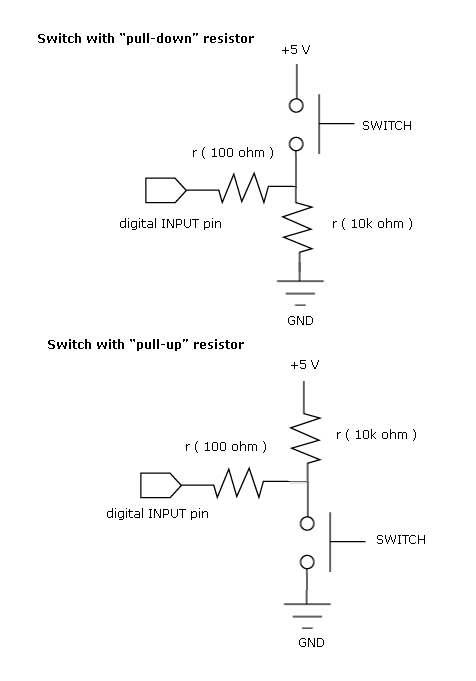
pull up and pull down resistor
Most beginners in digital electronics assume that a floating input represents a logic 0, which is a misconception. Floating inputs are in a neutral state and can represent either a logic 0 or a logic 1. This misunderstanding can lead...
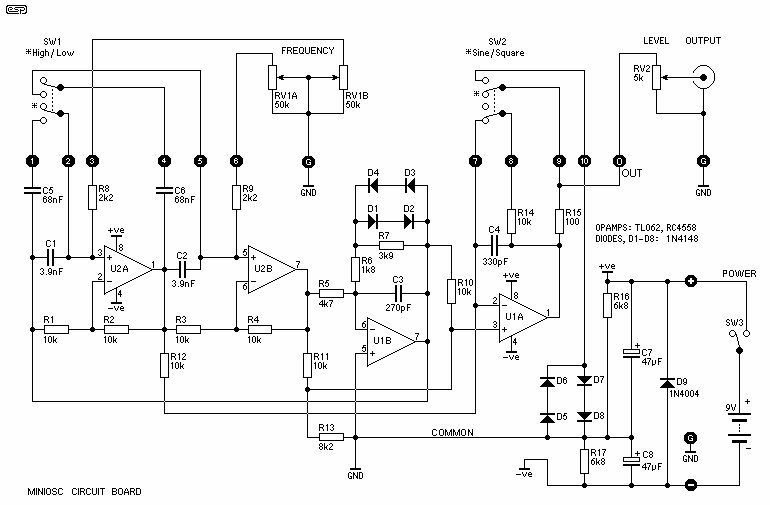
Audio Oscillator schematic
The oscillator circuit involves two unity gain phase shift stages, A1 and A2, in tandem and a gain stage, A3, with back to back diodes and resistor network providing non-linear negative feedback. At a particular frequency (determined by RT and...
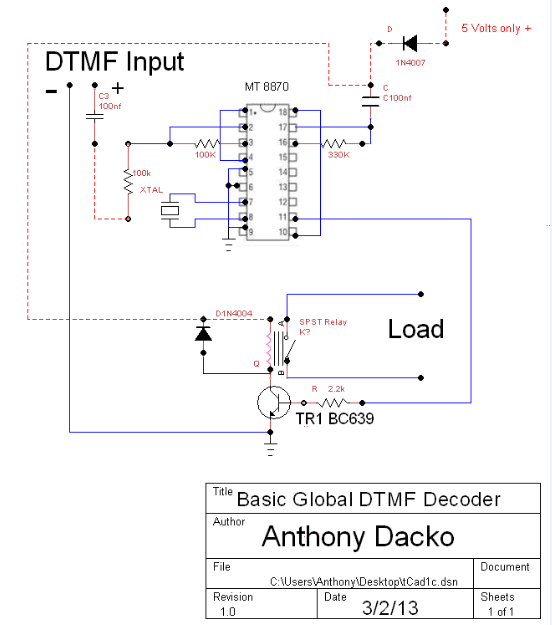
DTMF COM
The Simple MT 8870 Decoder can be operated using any type of DTMF tones emitted from devices such as landlines, mobile phones, computers, and radio transmitters, including ham radios equipped with DTMF capabilities. This decoder can activate a relay when...
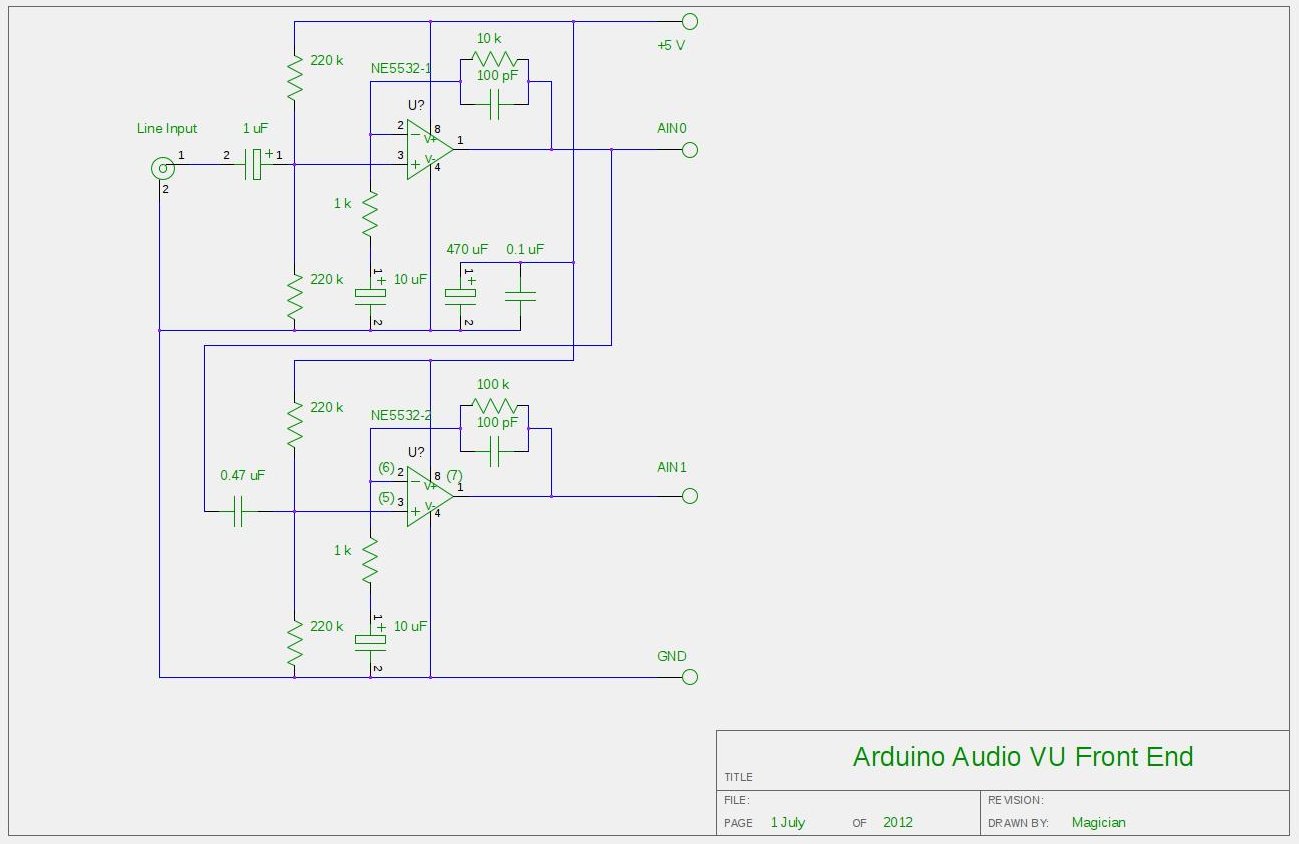
Audio VU meter with Extra wide Dynamic Range 69 dB using Arduino
After experimenting with a stereo version of the VU meter described in a previous blog post, a studio-grade VU meter is now being presented. This meter features 24 steps, spaced equally every 3 dB, and covers a wide dynamic range...
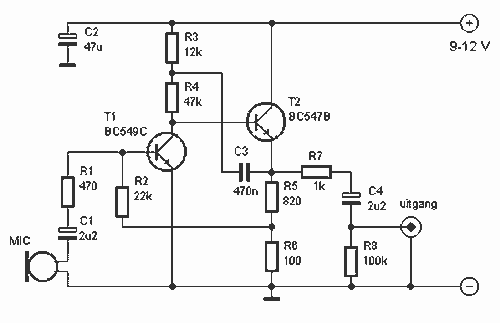
Basic Microphone preamplifier
This preamplifier amplifies the signal from a microphone, an amplifier so that it can be further strengthened. The circuit supplies an output signal line. With two transistors, it is not difficult to build such a circuit. The amplifier produces noise...