


AN41240A ASSP For Audio
#speech network
#hands-free
#telephone
#Panasonic
#ASSP
#audio processing
#communication
#minimal components
#audio circuit
#voice control
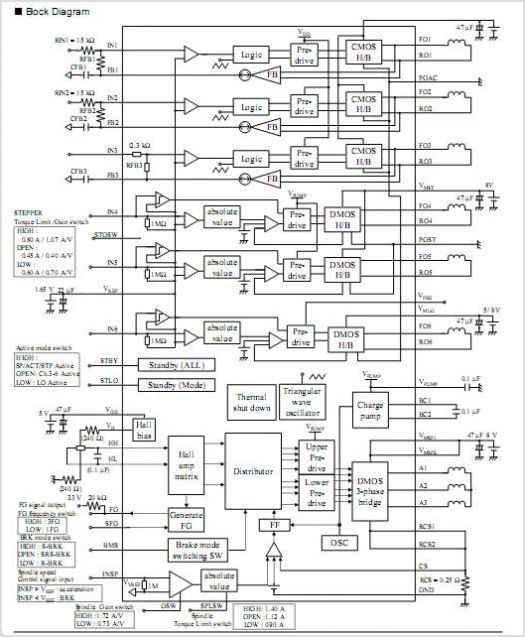
Description: The AN6426NK integrates both speech network and hands-free functionalities. Its well-designed block configuration enables the implementation of a hands-free telephone with a minimal number of components. By Panasonic USA.
The AN6426NK is a versatile integrated circuit that combines essential features for hands-free communication in telephony applications. The device is structured to facilitate the construction of hands-free telephone systems while minimizing component count, which is beneficial for cost-effective designs and compact implementations.
The block diagram of the AN6426NK typically consists of several key functional units, including a microphone preamplifier, a speech processor, and a speaker driver. The microphone preamplifier is responsible for amplifying the audio signal captured by the microphone, ensuring that the input is at an adequate level for further processing. The speech processor utilizes advanced algorithms to filter and process the audio signals, enhancing clarity and reducing background noise, which is crucial for effective communication.
The speaker driver section is designed to drive the speaker with sufficient power, ensuring that the audio output is clear and audible. The integration of these functions into a single chip not only reduces the overall footprint of the design but also simplifies the circuit layout, making it easier for engineers to implement the device in various applications.
In addition, the AN6426NK may include features such as automatic gain control (AGC) to maintain consistent audio levels regardless of varying input conditions, and echo cancellation to prevent feedback loops during hands-free operation. These enhancements contribute to a more reliable and user-friendly experience.
Overall, the AN6426NK is an efficient solution for developers looking to create hands-free telephones or other speech communication devices with minimal components while maintaining high performance and audio quality.The AN6426NK incorporates both speech network and hands-free functions. Its well designed block configura- tion allows realization of a hands-free telephone with a minimal number of components. By Panasonic USA
The AN6426NK is a versatile integrated circuit that combines essential features for hands-free communication in telephony applications. The device is structured to facilitate the construction of hands-free telephone systems while minimizing component count, which is beneficial for cost-effective designs and compact implementations.
The block diagram of the AN6426NK typically consists of several key functional units, including a microphone preamplifier, a speech processor, and a speaker driver. The microphone preamplifier is responsible for amplifying the audio signal captured by the microphone, ensuring that the input is at an adequate level for further processing. The speech processor utilizes advanced algorithms to filter and process the audio signals, enhancing clarity and reducing background noise, which is crucial for effective communication.
The speaker driver section is designed to drive the speaker with sufficient power, ensuring that the audio output is clear and audible. The integration of these functions into a single chip not only reduces the overall footprint of the design but also simplifies the circuit layout, making it easier for engineers to implement the device in various applications.
In addition, the AN6426NK may include features such as automatic gain control (AGC) to maintain consistent audio levels regardless of varying input conditions, and echo cancellation to prevent feedback loops during hands-free operation. These enhancements contribute to a more reliable and user-friendly experience.
Overall, the AN6426NK is an efficient solution for developers looking to create hands-free telephones or other speech communication devices with minimal components while maintaining high performance and audio quality.The AN6426NK incorporates both speech network and hands-free functions. Its well designed block configura- tion allows realization of a hands-free telephone with a minimal number of components. By Panasonic USA
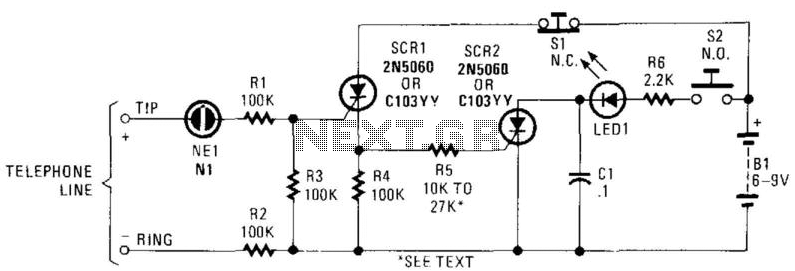
Telephone Visual Ring Indicator
In this circuit, the ringing voltage on a telephone line causes NE-1 to break over, triggering SCR1, which in turn triggers SCR2. If a call has been received, depressing S2 will cause LED1 to light. Depressing S1 resets the circuit....
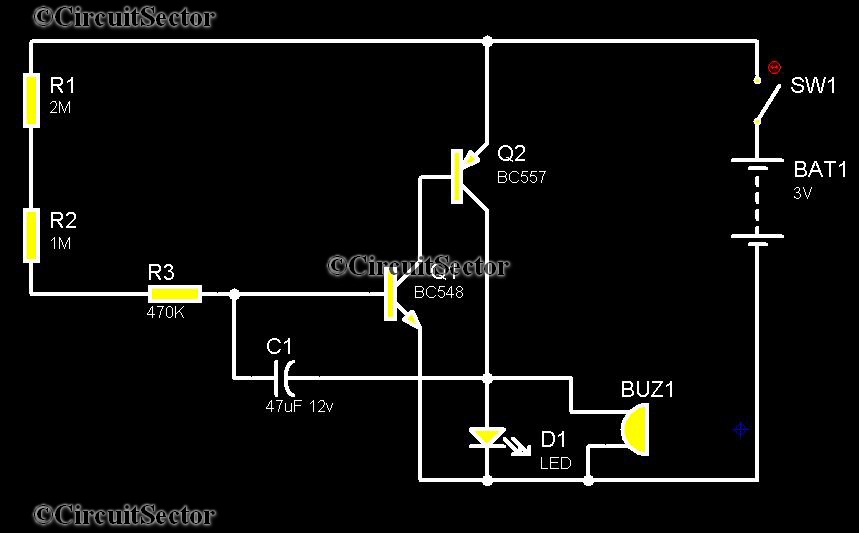
Simple Telephone Timer Circuit PCB
Telephones are declining globally; however, India has over 350 million mobile phone users, alongside a significant number of traditional telephone users. This telephone timer is designed to save costs by controlling unnecessary time spent during phone calls. This simple timer...
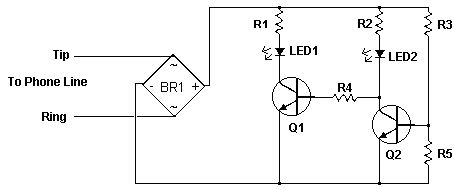
Busy Telephone line Indicator
Have you ever been using the modem or fax and someone else picks up the phone, breaking the connection? Well, this simple circuit should put an end to that. It signals that the phone is in use by lighting a...
Telephone status monitor
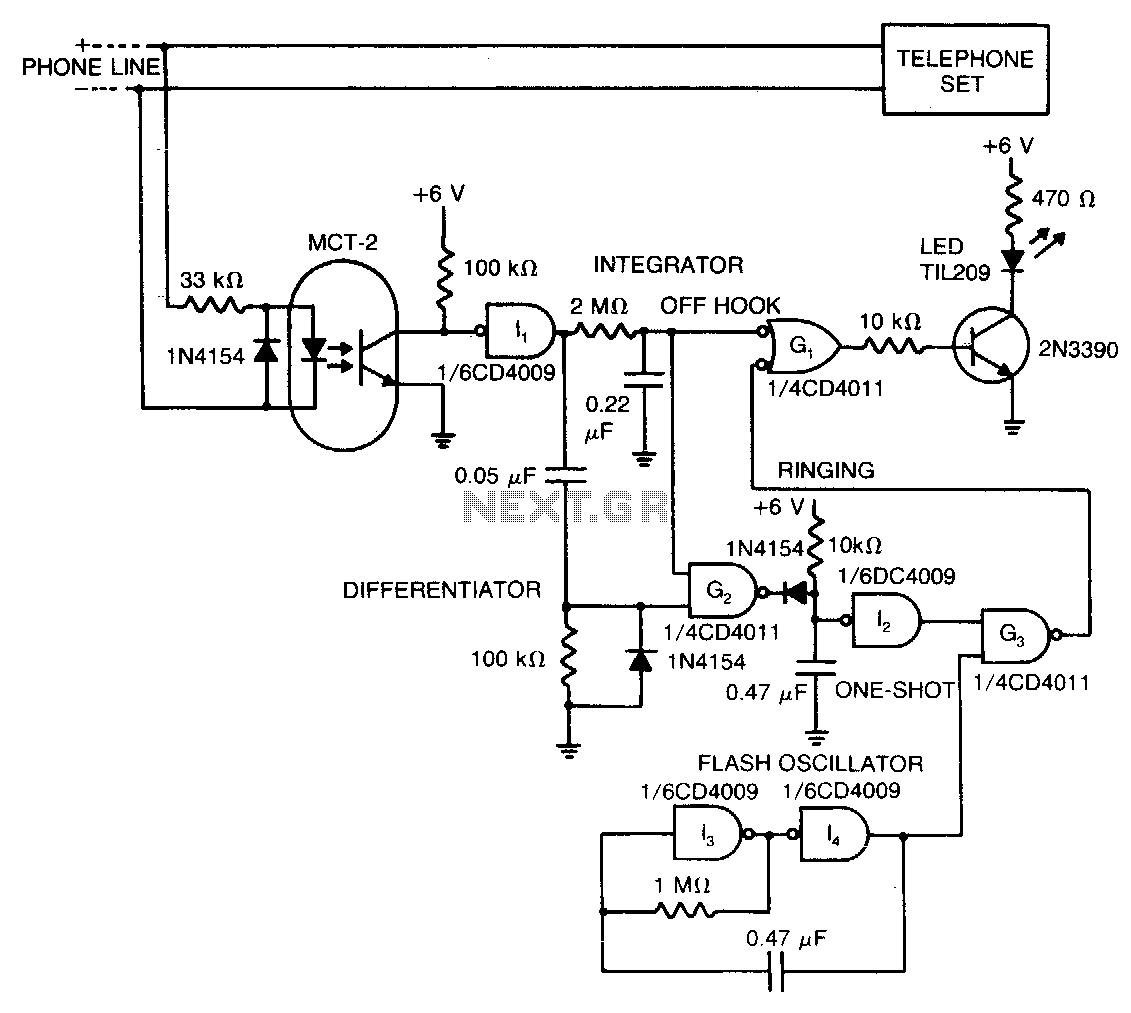
The LED signifies the status of a remote telephone. The light remains off when the phone is hung up. It emits a steady glow when the phone is off the hook, and it flashes intermittently while the phone is ringing...
Stock dial telephone line power supply circuit diagram
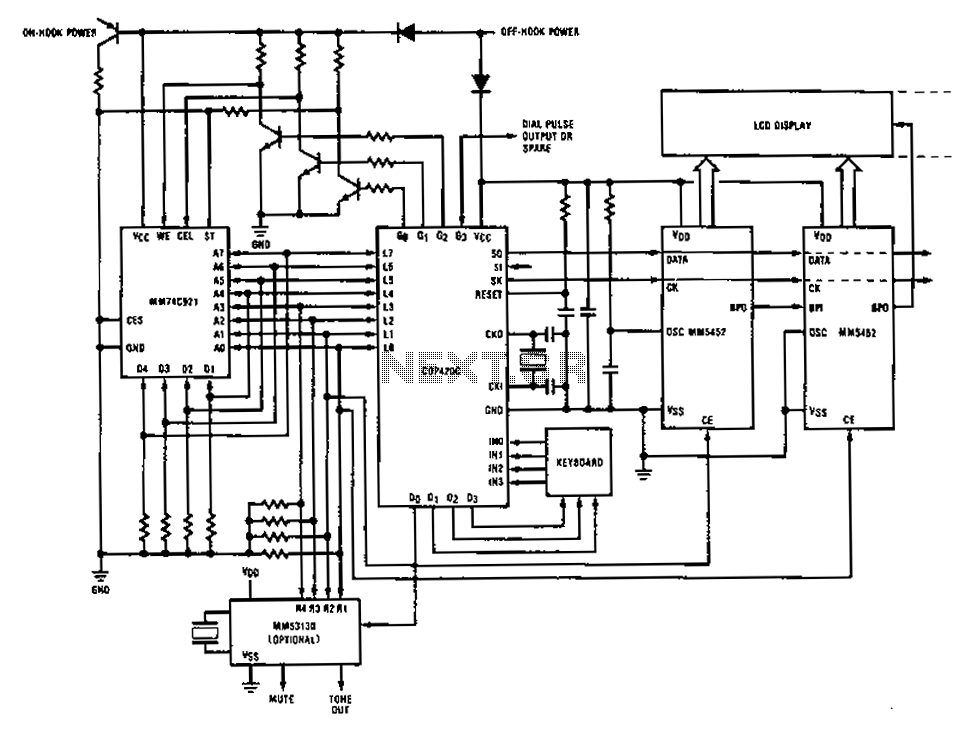
A compilation of dial phone numbers, including 15 commonly used libraries and the dialed number, is stored in standard CMOS RAM. A single-button keypad facilitates the input of a phone number, which can be dialed directly or stored in RAM...
Telephone handset tone dial encoder
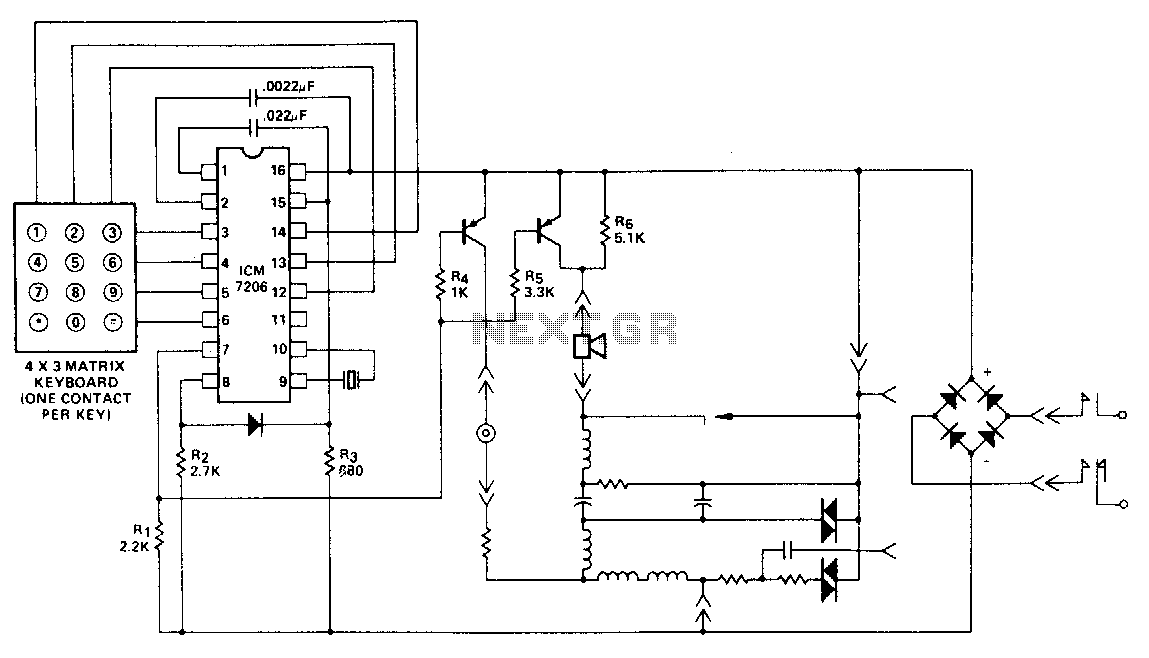
This encoder utilizes a single contact per key keyboard and implements all other switching functions electronically. A diode is positioned between terminals 8 and 15 to prevent the output from exceeding 1 volt negative in relation to the negative supply...
MC34017A Telephone Tone Ringer Bipolar Linear/I2L
It is widely recognized that power-saving regulations necessitate very low power consumption during standby conditions for all equipment continuously connected to mains power. In the standard version of the power supply, standby power consumption is approximately 9.0 W for a...
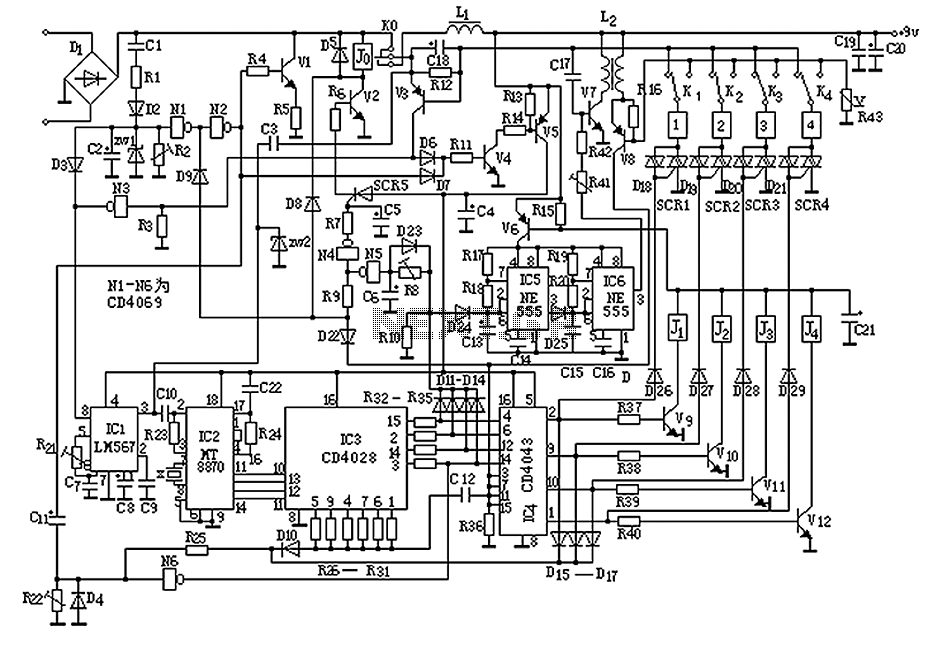
Homemade small telephone PBX circuit diagram
The circuit operates by sending ringing pulses through capacitor C1, resistor R1, and diode D2 to charge capacitor C2 to a voltage of 6V. This voltage causes transistors N1 and N2 to reverse, which activates V1, the analog hook, and...
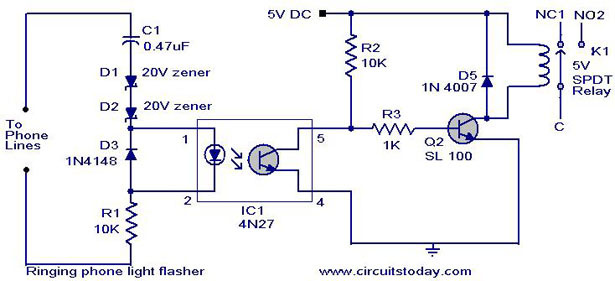
Ringing phone light flasher
When the telephone rings, the line voltage increases to 72 volts. At this moment, the LED in the opto-coupler lights up, causing the transistor to conduct. As a result, transistor Q1 also conducts, activating the relay. Consequently, the load connected...