


water detector circuit for your
#water sensor
#plant monitoring
#beeping alarm
#soil moisture
#simple circuit
#hobby project
#detection
#electronic hobby
#DIY
#alert system
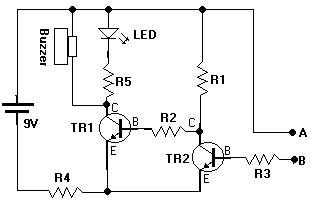
Description: This document presents a water sensor circuit designed to monitor soil moisture levels for plants. This circuit is straightforward and is constructed using five resistors, two transistors, an LED, a buzzer, and a battery. The operation of the circuit is simple: it emits a beep when the soil is dry and stops beeping when moisture is detected.
The water sensor circuit functions as a basic moisture detection system. It utilizes two transistors configured as a switch, which controls the buzzer and LED indicators. The circuit operates on a low voltage battery, ensuring it is energy-efficient and suitable for continuous use in a garden or indoor plant setting.
When the soil moisture level drops below a certain threshold, the resistance in the soil changes, triggering the transistors. This change activates the buzzer, producing an audible alert to indicate that the soil is dry. The LED serves as a visual indicator, providing a clear signal that attention is needed for the plant's watering.
The resistors are used to set the biasing conditions for the transistors and to limit the current flowing through the buzzer and LED, ensuring that they operate within safe limits. The choice of components allows for a compact and reliable design that can be easily assembled on a breadboard or a printed circuit board (PCB).
In summary, this water sensor circuit is an effective tool for plant care, combining simplicity in design with functionality to ensure plants receive adequate moisture. It is an excellent project for beginners in electronics, demonstrating fundamental principles of circuit design and component interaction.Today i want to share with you all my water sensor. This is my second successful project when i started with electronic hobby. This circuit is useful for your plant. How it`s work simple. It will beeping when your plant soil is dry and stop when it detect water. that all. It hard Don`t worry, it`s simple circuit construction. You just need 5 re sistors, 2 transistors, a LED, Buzzer and battery of course. Ok let`s construct the circuit.
The water sensor circuit functions as a basic moisture detection system. It utilizes two transistors configured as a switch, which controls the buzzer and LED indicators. The circuit operates on a low voltage battery, ensuring it is energy-efficient and suitable for continuous use in a garden or indoor plant setting.
When the soil moisture level drops below a certain threshold, the resistance in the soil changes, triggering the transistors. This change activates the buzzer, producing an audible alert to indicate that the soil is dry. The LED serves as a visual indicator, providing a clear signal that attention is needed for the plant's watering.
The resistors are used to set the biasing conditions for the transistors and to limit the current flowing through the buzzer and LED, ensuring that they operate within safe limits. The choice of components allows for a compact and reliable design that can be easily assembled on a breadboard or a printed circuit board (PCB).
In summary, this water sensor circuit is an effective tool for plant care, combining simplicity in design with functionality to ensure plants receive adequate moisture. It is an excellent project for beginners in electronics, demonstrating fundamental principles of circuit design and component interaction.Today i want to share with you all my water sensor. This is my second successful project when i started with electronic hobby. This circuit is useful for your plant. How it`s work simple. It will beeping when your plant soil is dry and stop when it detect water. that all. It hard Don`t worry, it`s simple circuit construction. You just need 5 re sistors, 2 transistors, a LED, Buzzer and battery of course. Ok let`s construct the circuit.
Glue stck torch
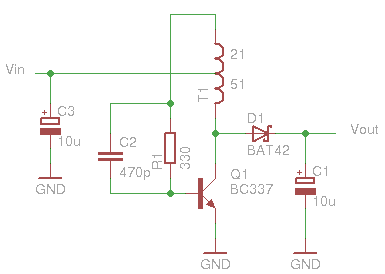
This project, developed around 2005, involves constructing a torch using a glue stick, which conveniently accommodates an AA battery within its plastic casing. To create a functional battery holder, contacts for both the positive and negative connections are necessary. The...
MePADS
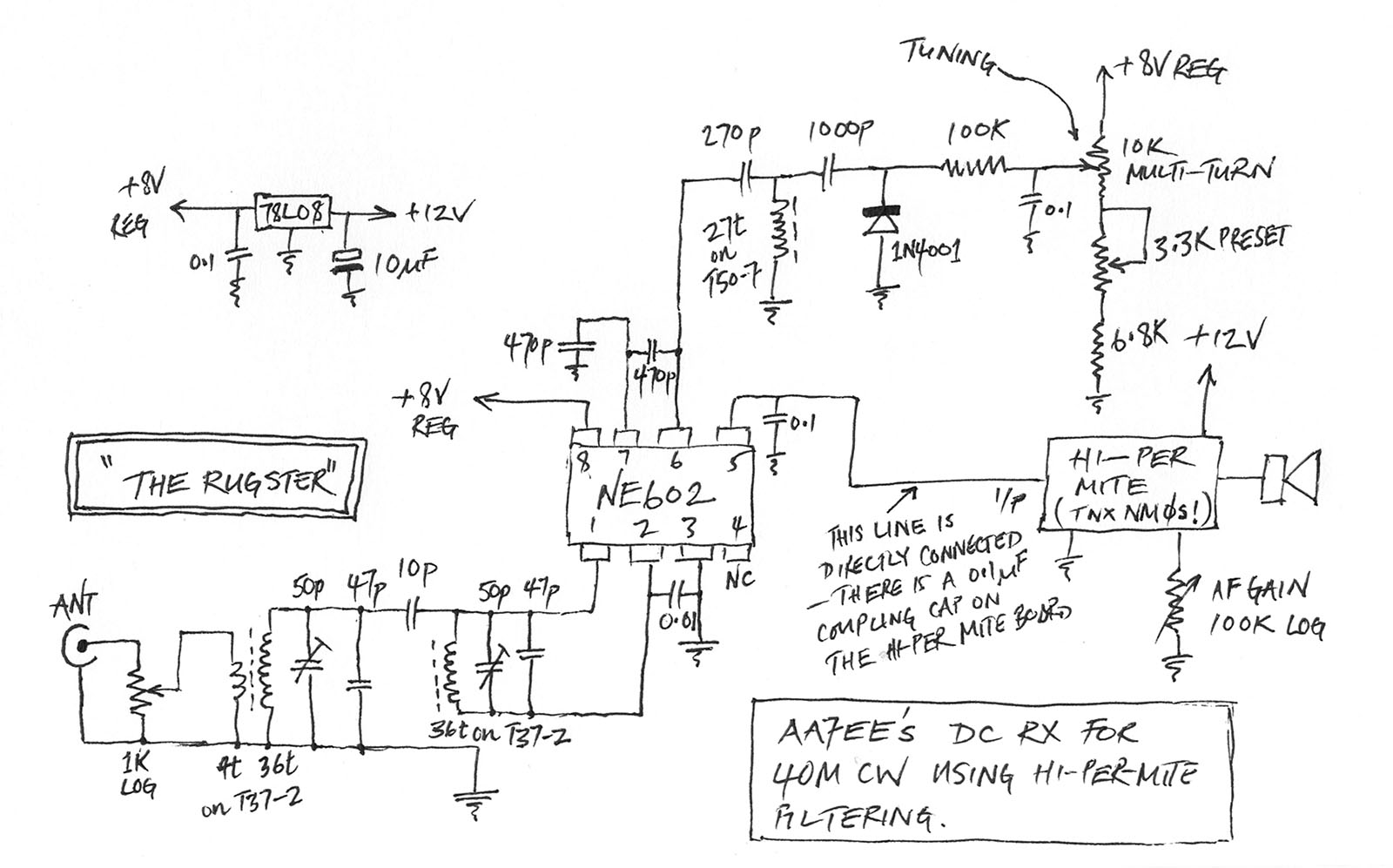
If you are considering building the Desert Ratt 2, it is advisable to read all the accompanying text, as it contains relevant construction details. Engaging with the comments and replies can also provide additional insights, as previous blog posts have...
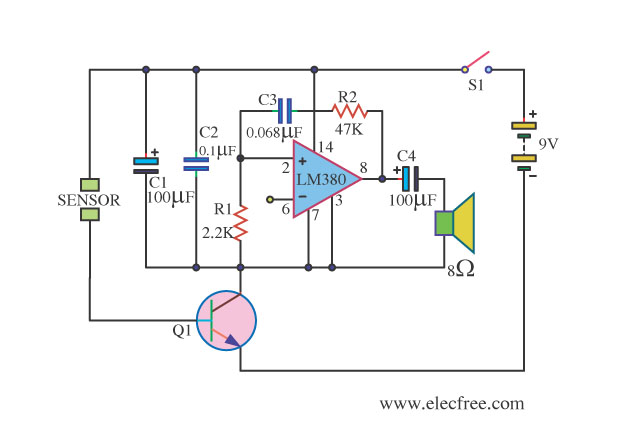
Water Sensor Alarm using LM380
This is a water sensor alarm circuit designed to warn users about water levels. It activates an audible alarm when the sensor comes into contact with water, such as during rainfall.
The water sensor alarm circuit functions primarily as a detection...
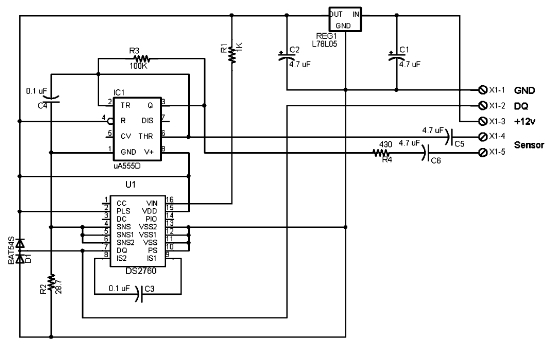
Circuit Diagram Of Soil Moisture Sensor
The following circuit illustrates the electrical circuit diagram for the 1976 Dodge Aspen. Features include the current register value of the IC DS2760.
The electrical circuit diagram for the 1976 Dodge Aspen is a critical component for understanding the vehicle's electronic...
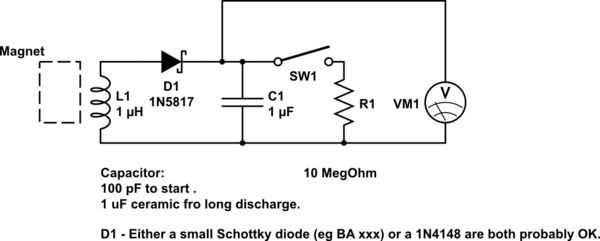
DIY kinetic energy harvester
A DIY kinetic energy harvester utilizing the electromagnetic method to generate electricity. The materials that will be used are currently known.
The project involves creating a kinetic energy harvester that converts mechanical energy from motion into electrical energy through electromagnetic induction....
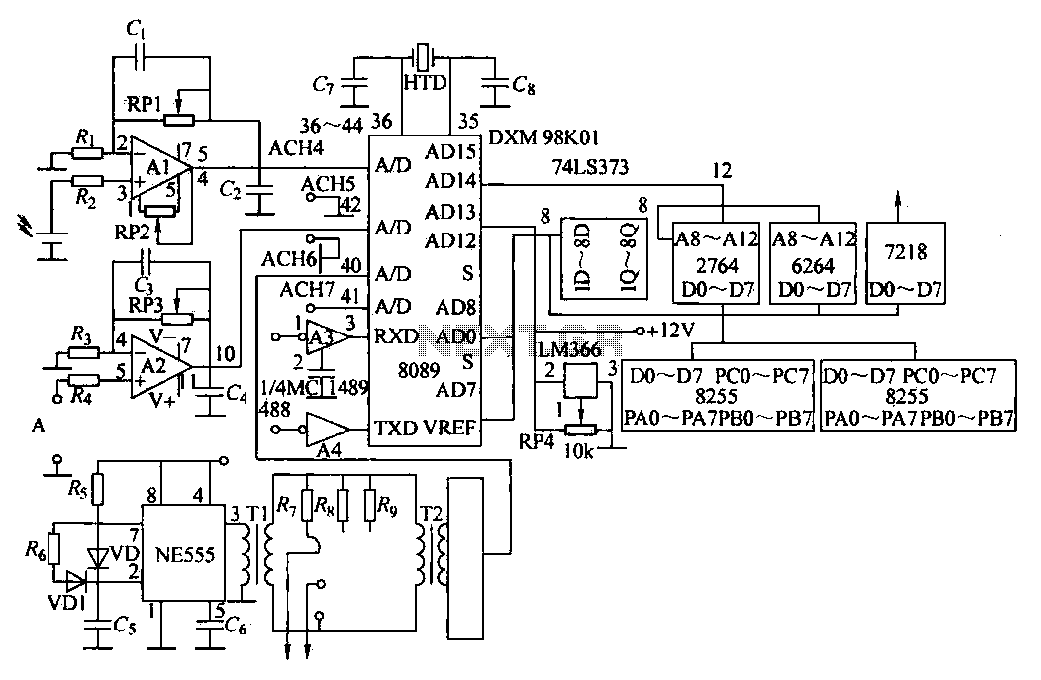
Soil content measurement circuit
Direct measurement circuit for soil content, assessing various parameters such as moisture, salinity, nitrogen, and pH to enhance soil quality for diverse agricultural crops. This electronic measuring circuit facilitates rapid and accurate testing of soil conditions and informs fertilization strategies....

Water sensor alarm
This small water sensor alarm circuit produces a loud warning sound when a humidity sensor detects the presence of water. The circuit utilizes the low-power comparator LM1801 from National Semiconductor. The reference voltage for the integrated circuit is established using...
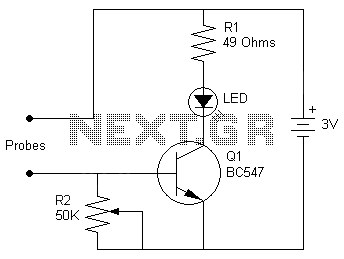
plant soil moisture tester circuit
This project involves a straightforward soil moisture detection circuit that utilizes only four components and operates with a 3-volt battery. The circuit is designed to identify the presence of moisture in the soil of any plant and activate an LED...
Crescendo ampilifier elektor1982
The Elector Crescendo was the first DIY amplifier that was not a kit. The design was sourced from the Elector magazines available at a local library.
The Elector Crescendo is an innovative audio amplifier designed for DIY enthusiasts. It features a...